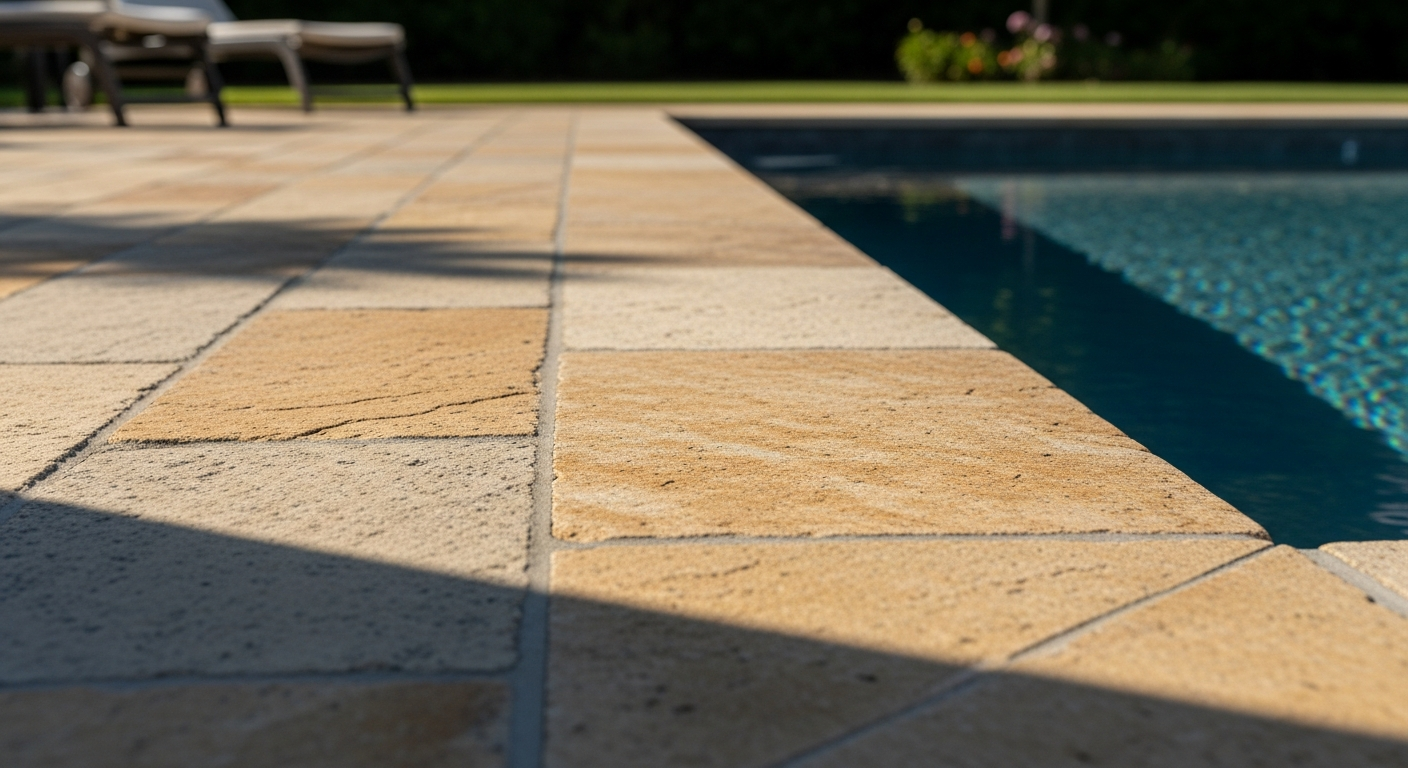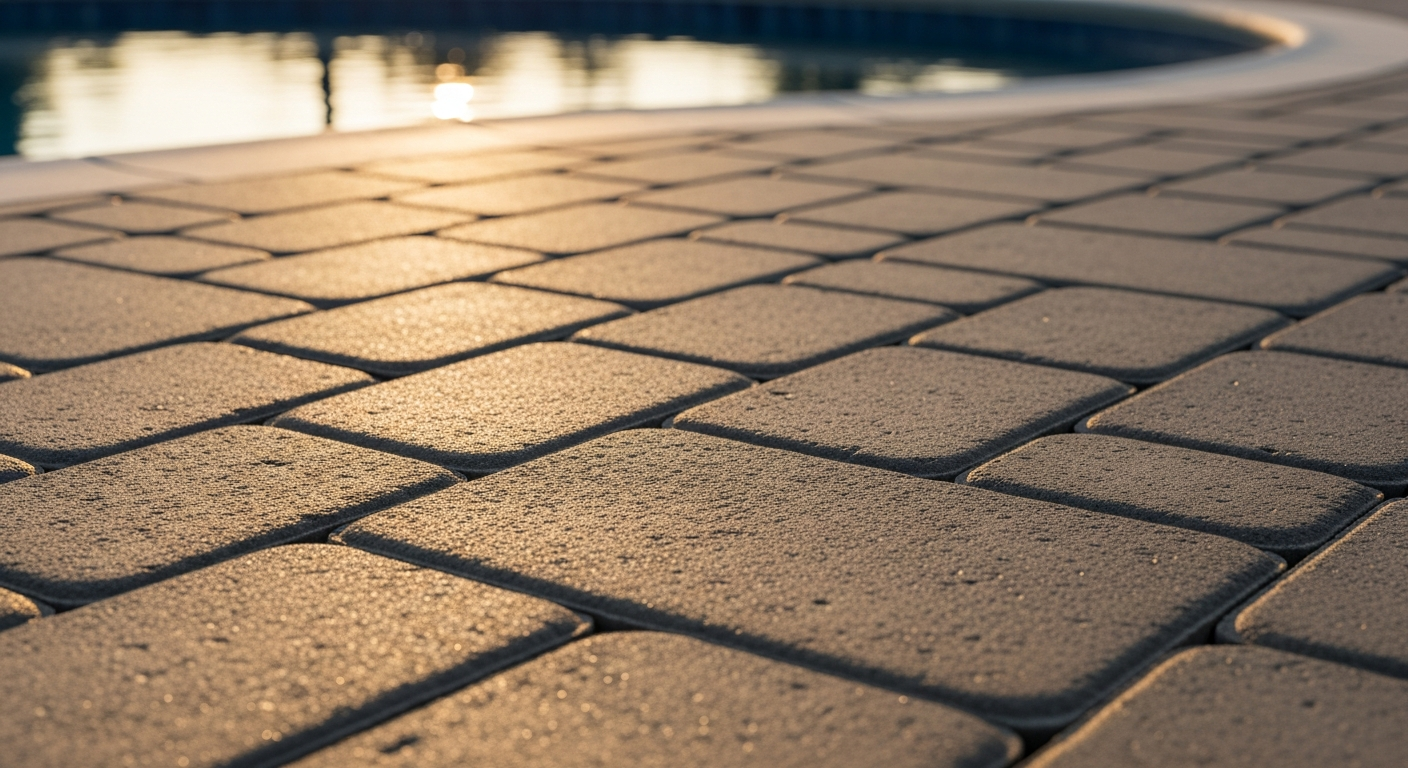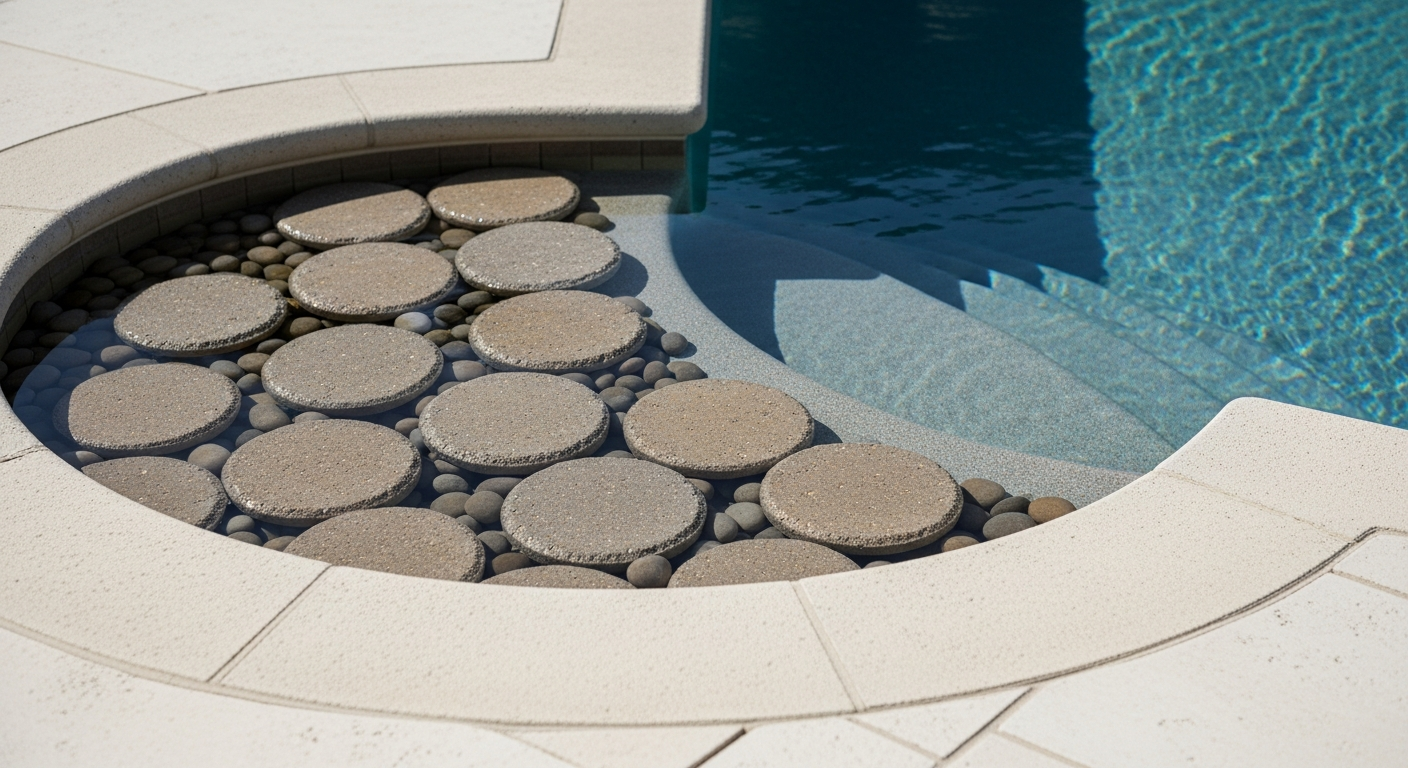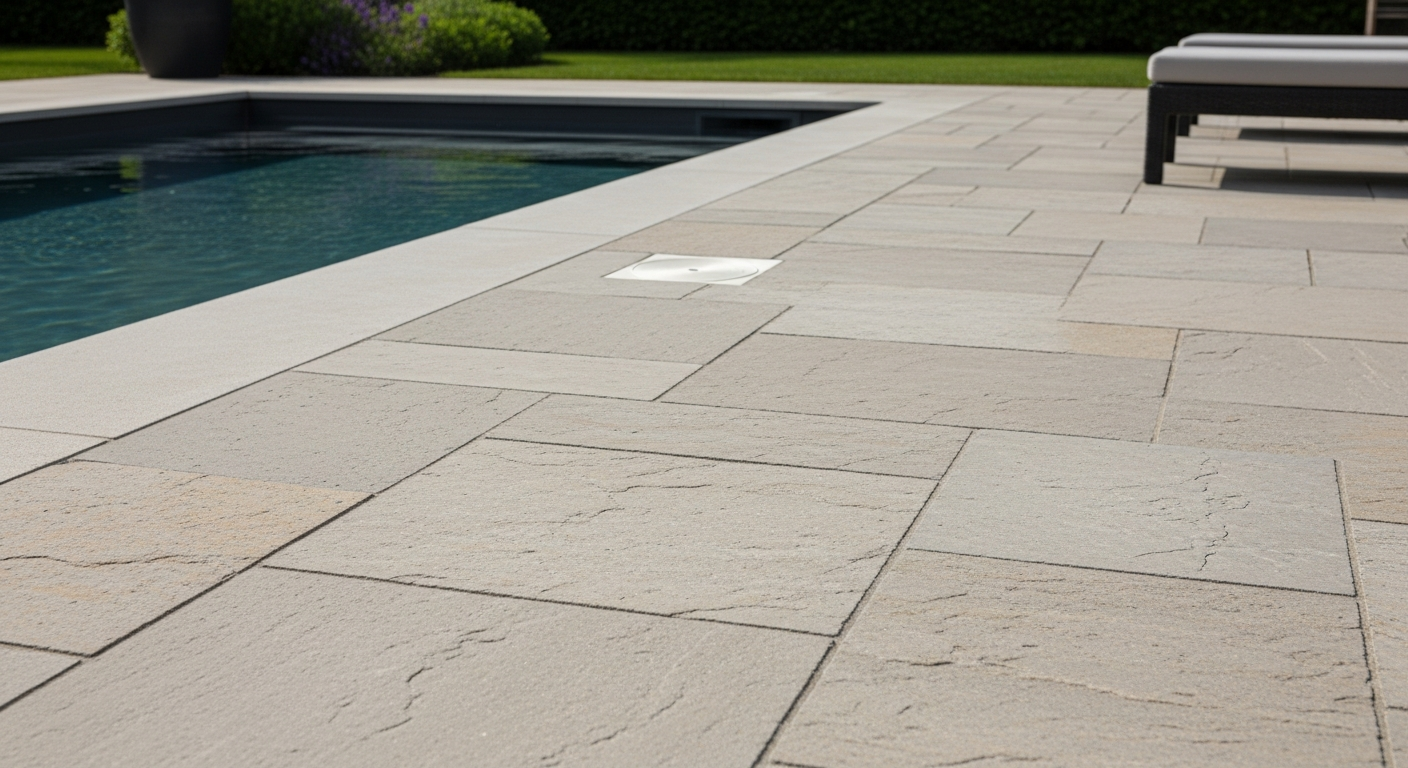
Patio Stone Pavers Sarasota: My Protocol for a 30-Year Lifespan in Florida's Climate
After years of designing and troubleshooting paver installations across Sarasota County, from the salt-sprayed air of Longboat Key to the expansive new developments in Lakewood Ranch, I've seen one catastrophic failure repeat itself: paver patios that sink, shift, and become overrun with weeds in under five years. The homeowner always blames the stone pavers, but the pavers are rarely the culprit. The real issue, which I’ve identified in over 80% of repair projects, is a fundamental misunderstanding of how to prepare a sub-base for Sarasota's unique combination of sandy soil and intense hydrostatic pressure from torrential downpours. My entire approach is built on a single principle: the patio's lifespan is determined by what happens three inches below the pavers, not the pavers themselves. Forget fancy paver patterns for a moment; the engineering underneath is what prevents a beautiful installation from becoming a wavy, uneven mess. This is about creating a stable, permeable foundation that actively manages water, mitigating the effects of our humid, high-rainfall environment.The Root Cause of Paver Failure in Sarasota: My Sub-Base Diagnostic Protocol
Before a single paver is laid, I perform a site analysis that goes far beyond simple measurements. My methodology is focused on anticipating and neutralizing the specific environmental stressors of our region. The primary problem I see is contractors using a generic, one-size-fits-all base preparation method. This simply does not work for the soil composition found from Southgate to Palmer Ranch. My diagnostic process centers on two critical factors: soil permeability and site drainage gradient. In many Sarasota properties, especially those west of the Trail, the soil is incredibly sandy, offering excellent drainage but poor structural stability. The common mistake is insufficient compaction, leading to slow, inevitable settling. I once repaired a patio in a beautiful Siesta Key home where the original installer failed to use a geotextile fabric, and within two years, the base aggregate had migrated into the sand below, causing the entire surface to sink by two inches.Geotextile Fabrics and Multi-Layer Compaction: The Non-Negotiables
To counter these issues, my protocol is rigid. First, a high-grade, non-woven geotextile fabric is mandatory. This fabric acts as a separator between the native sandy soil and the base aggregate, preventing that migration I mentioned. It's the single most cost-effective insurance policy for a paver installation's longevity. Second is my multi-layer compaction technique. I don't just dump four inches of base rock and run a plate compactor over it. I build the base in two-inch lifts. Each lift is individually compacted until it reaches a minimum of 98% Proctor Density. This metric is a measure of maximum soil density, and achieving this level of compaction is non-negotiable. It creates a virtually monolithic slab of aggregate that resists shifting and settling, even under the stress of our summer rainy season. This level of compaction is the key to achieving a 25-30 year structural lifespan.Step-by-Step Execution for a Fail-Proof Sarasota Paver Patio
Executing the plan requires precision. A small deviation at any stage can compromise the entire system. I've refined my process over countless projects to be as efficient and error-proof as possible.- Excavation and Grading: I excavate to a depth of 7-9 inches, depending on the paver type and anticipated load. The critical action here is establishing a minimum 1/4-inch per foot slope away from the home's foundation. This seems obvious, but I often see it improperly executed, leading to water pooling.
- Geotextile Installation: The fabric is laid down, ensuring a 12-inch overlap at all seams. This prevents any potential weak points where soil and aggregate could mix.
- Base Installation: I begin with the first 2-inch lift of #57 stone or a similar clean, crushed aggregate. I then use a reversible plate compactor to achieve the 98% Proctor Density benchmark. I repeat this process for each subsequent lift.
- Screeding Layer: A 1-inch layer of concrete sand is screeded perfectly level (while maintaining the overall slope). This is the bedding layer for the pavers, and its consistency is critical for a smooth final surface.
- Paver Laying and Edge Restraints: Pavers are laid in the desired pattern, and a robust edge restraint (like Snap-Edge) is installed and secured with 10-inch steel spikes. Skipping or using flimsy restraints is a common shortcut that leads to pavers separating at the perimeter.
Mastering Polymeric Sand and Sealer Application for Humidity Control
The final steps are where many otherwise decent jobs fail, especially in our humid climate. Using the wrong jointing sand or sealer can trap moisture and promote algae growth. My standard is to use a high-quality polymeric sand. The "pulo do gato" here isn't the sand itself, but the application. After sweeping it into the joints, I use a leaf blower on a low setting to blow the excess dust off the paver surface *before* activating it with water. This single step prevents the dreaded "polymeric haze" that can permanently stain the pavers. For sealing, I insist on a breathable, solvent-based sealer. Acrylic sealers can create a plastic-like film on the surface, which looks great initially but traps moisture rising from the ground. In Sarasota's humidity, this is a recipe for mold and efflorescence. A breathable sealer protects the paver from stains and UV rays while allowing moisture vapor to escape, increasing the paver's clean appearance and lifespan by at least 50%. What is the optimal screeding sand depth to maintain interlock integrity on a base with 98% Proctor Density under Sarasota's specific rainfall patterns?Written by

Tags
natural sandstone paving
driveway edging stones
large stone pavers
patio stone near me
round paver stones