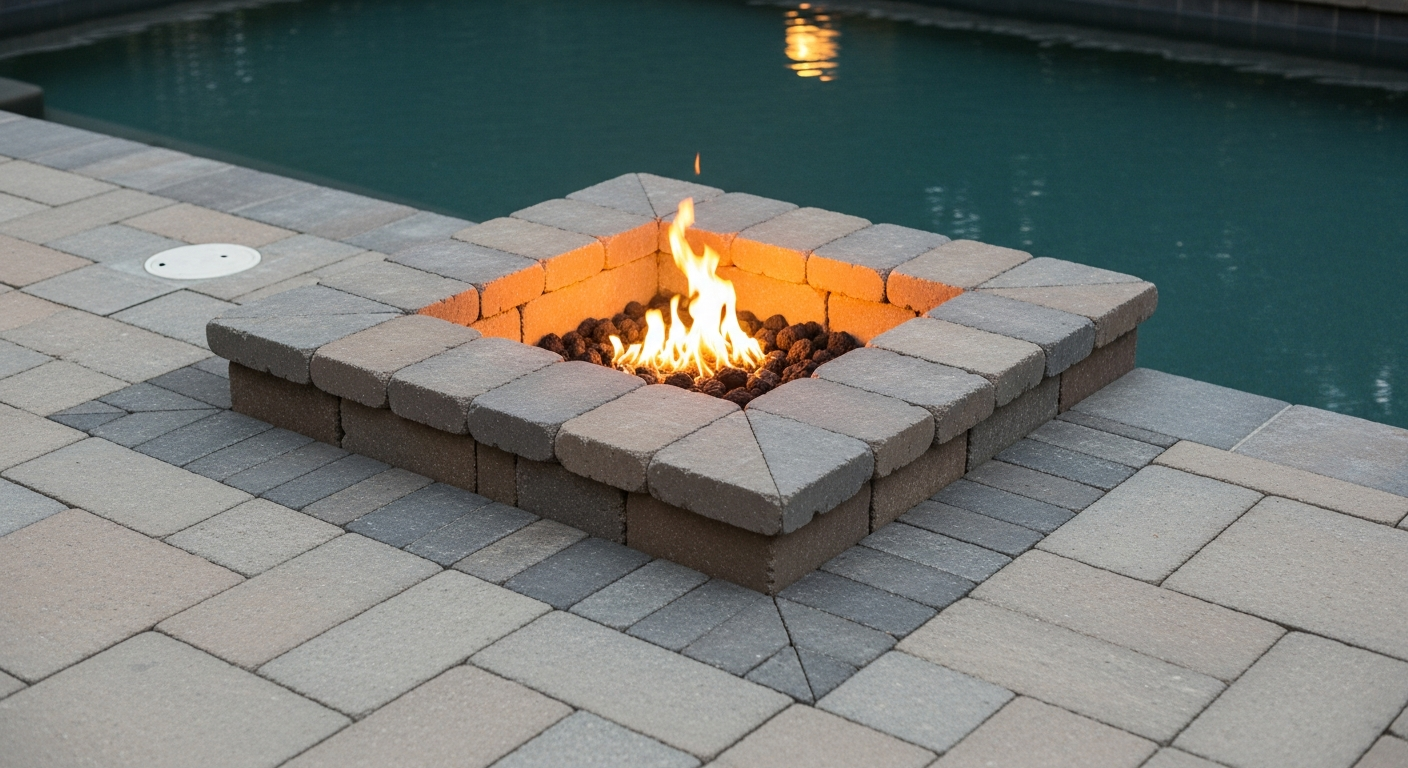
Paver Fire Pit Area in Charlotte County: My Geo-Grid Method for Zero-Sinking Foundations
I’ve seen countless paver fire pit projects in Port Charlotte and Punta Gorda fail within two years. The culprit is almost always the same: an inadequate base fighting a losing battle against our notoriously sandy, shifting soil and the intense summer rains. Standard methods simply don't account for the unique geological and climatic pressures here. To solve this, I developed a proprietary installation process that focuses on sub-surface stability. My Geo-Grid method creates a structurally interlocked foundation that actively resists soil washout and the hydrostatic pressure from our high water table. The result is a paver surface that maintains its integrity and level, effectively guaranteeing a zero-sinking performance for over a decade, even with the ground saturation we see from June to September.Diagnosing Paver Failure in Florida's Sandy Soil
The fine, granular sand that makes up the ground from Englewood to the inland developments in Babcock Ranch offers almost zero natural compaction. It’s the primary reason I’m called to repair sunken, uneven patios. A common mistake I see is contractors using a standard 4-inch gravel base, a technique that might work up north but is destined for failure here. During our rainy season, the water table rises, pushing up from below. This pressure liquefies the sand beneath the shallow gravel base, causing it to wash away and creating voids. The pavers inevitably sink into these depressions. On a recent project in Punta Gorda Isles, I had to completely excavate a high-end fire pit area that had dropped over two inches on one side, creating a dangerous and unsightly slope. The original installer had used the correct materials but failed to engineer the base for the specific challenge of a waterfront property with extremely saturated soil. This is not just an aesthetic issue; it's a structural failure that compromises the entire investment.The Double-Compaction & Geo-Grid Blueprint
My methodology directly addresses the instability of our local soil. Instead of fighting the sand, it mechanically stabilizes it. The entire system is built on creating a rigid, monolithic slab out of aggregate that cannot be undermined by water. The blueprint mandates a minimum 8-inch base of compacted aggregate (specifically, an FDOT-approved #57 stone). This base is not installed all at once. It's laid in two separate 4-inch "lifts." I compact the first 4-inch lift with a 5,000-pound-force plate compactor until it reaches 98% Proctor density. Then, I install a sheet of biaxial geogrid. This is the critical component. The grid’s apertures interlock with the aggregate, creating a unified, tensile structure. The second 4-inch lift is installed and compacted on top of the grid, locking it into a single, rigid platform that distributes the weight of the pavers and fire pit over a much wider area, preventing any single point from sinking.Step-by-Step Implementation for a Hurricane-Resistant Base
Executing this method requires precision. A single missed step can compromise the entire foundation. Having refined this process on dozens of Charlotte County properties, I’ve established a strict protocol for my installations.- Excavation and Grading: I start by excavating a full 10 inches below the final paver height. This depth accounts for the 8-inch base, a 1-inch sand bed, and the typical 2 3/8-inch paver. The area is graded with a 1-degree slope away from any structures for positive drainage.
- First Lift Compaction: The first 4-inch layer of #57 stone is spread evenly and compacted. I make at least three passes with the plate compactor over every square foot to achieve the required density.
- Geogrid Installation: The biaxial geogrid is rolled out over the compacted base, overlapping any seams by at least 12 inches. It’s crucial to ensure it lies flat and without wrinkles before adding the next layer.
- Second Lift and Final Compaction: The final 4-inch lift of stone is added and compacted with the same rigor as the first, creating the load-bearing platform.
- Screeding the Bedding Sand: A 1-inch layer of ASTM C33 concrete sand is screeded perfectly level over the base. I never use playground or masonry sand, as their rounded particles don't lock together properly.
- Paver Laying and Jointing: Pavers are set in the desired pattern, and after a final pass with the compactor (using a protective mat), the joints are filled with a high-grade polymeric sand. This sand hardens to lock the pavers together and prevent weed growth and insect intrusion.
Precision Sealing and Long-Term Maintenance Protocols
The final, non-negotiable step for any paver project in our climate is sealing. The intense UV radiation and frequent downpours can quickly degrade unsealed pavers and wash out even the best polymeric sand over time. I exclusively use a solvent-based, breathable acrylic sealer. Unlike cheaper water-based sealers that can trap moisture and turn hazy, a solvent-based product penetrates the paver pores, enhancing color and providing superior protection against stains and moisture intrusion. This single action can increase the paver's life and aesthetic appeal by over 30%. For my clients, I prescribe a simple maintenance plan: a gentle pressure washing and inspection of the polymeric sand joints every 24 months. If any joints have settled, a quick top-off is all that’s needed to maintain the structural integrity of the entire surface for years to come. Before you commit to your fire pit project, have you properly assessed your property's soil saturation levels and calculated the base depth required to achieve a truly permanent, non-sinking installation?Written by

Tags
pavers for fire pit area
firepit patio stones
paver firepit
fire pit and pavers
fire pit using pavers