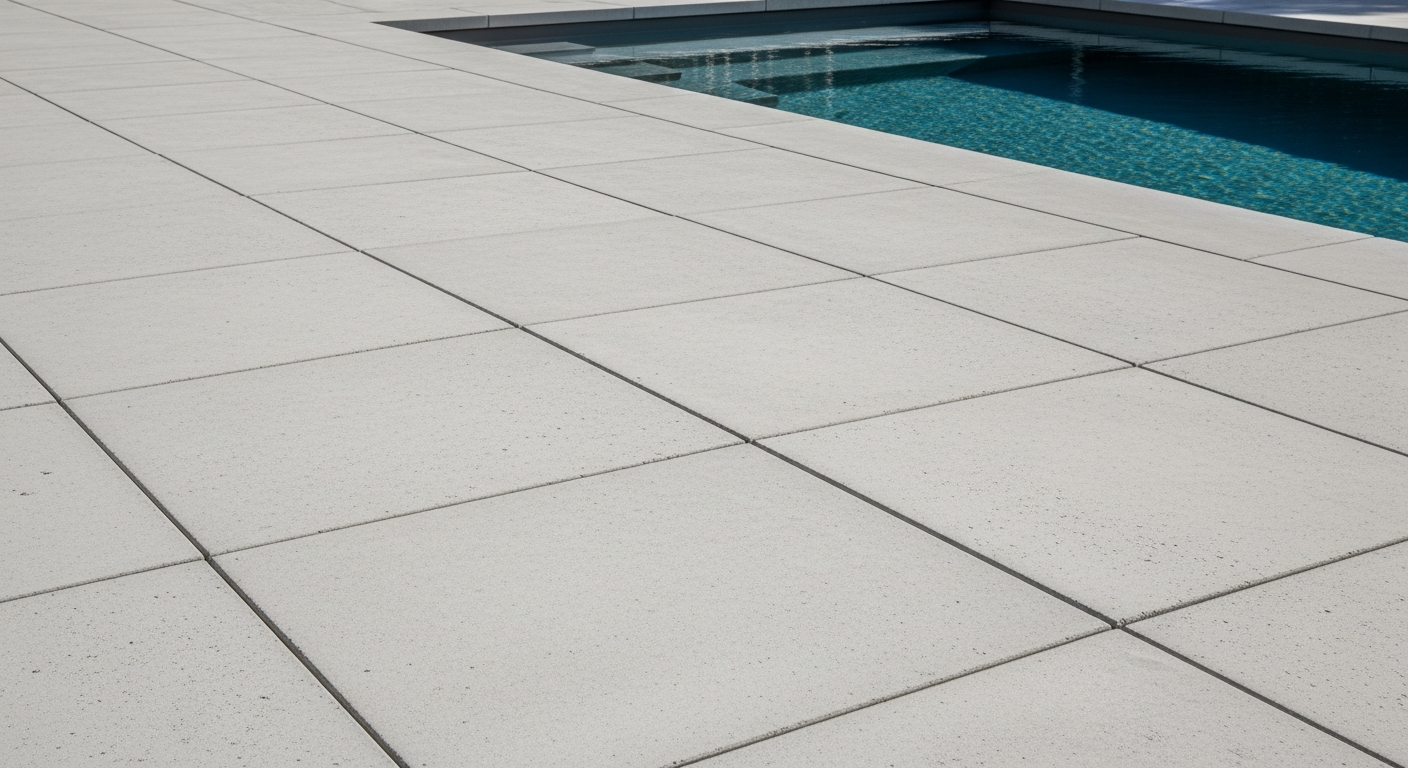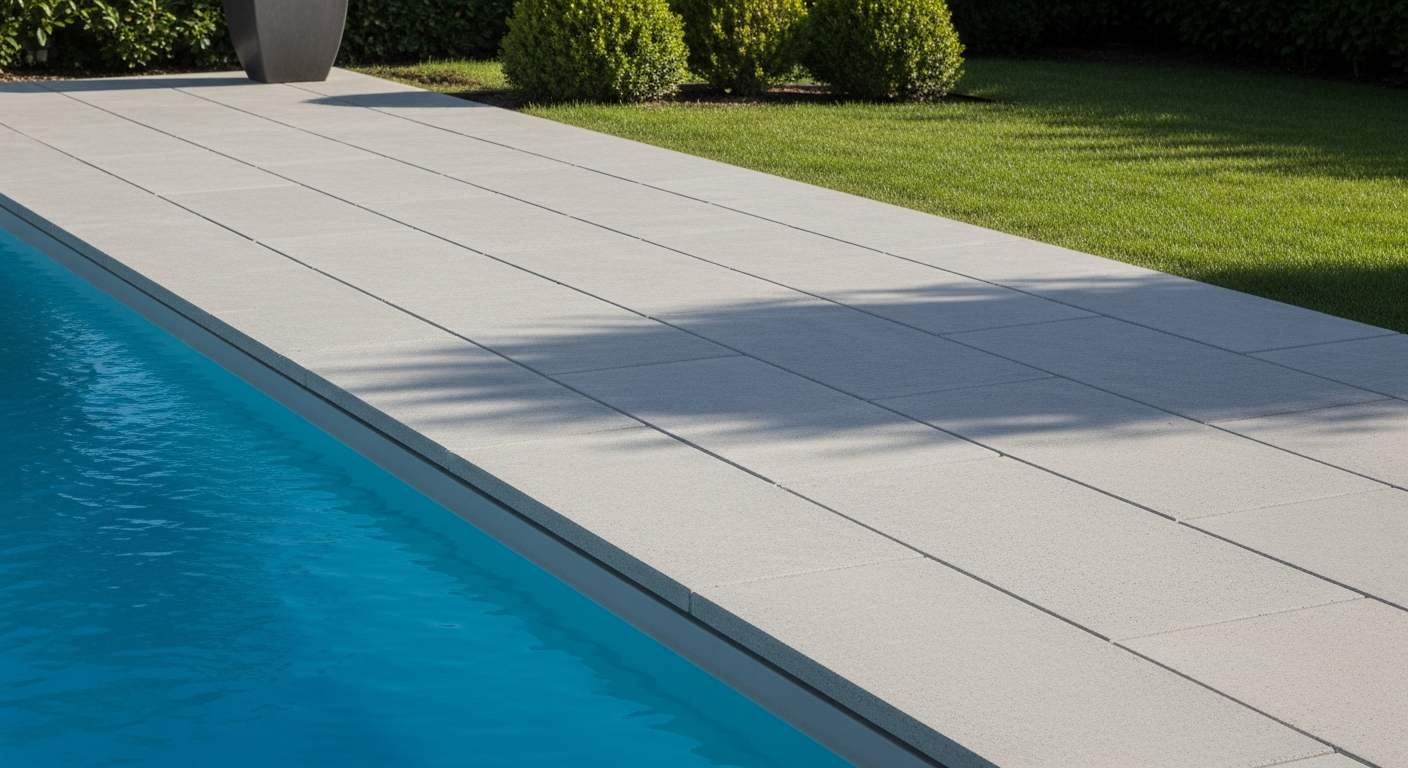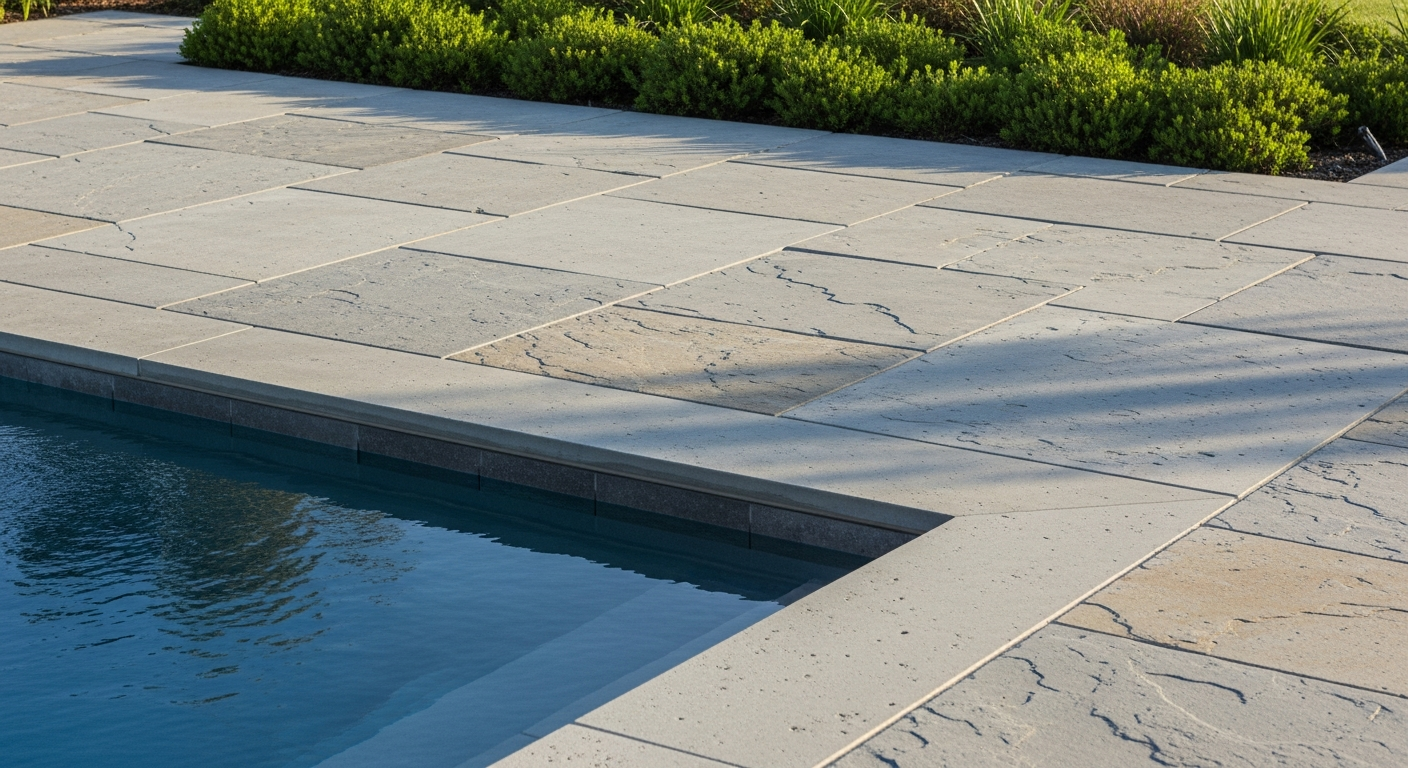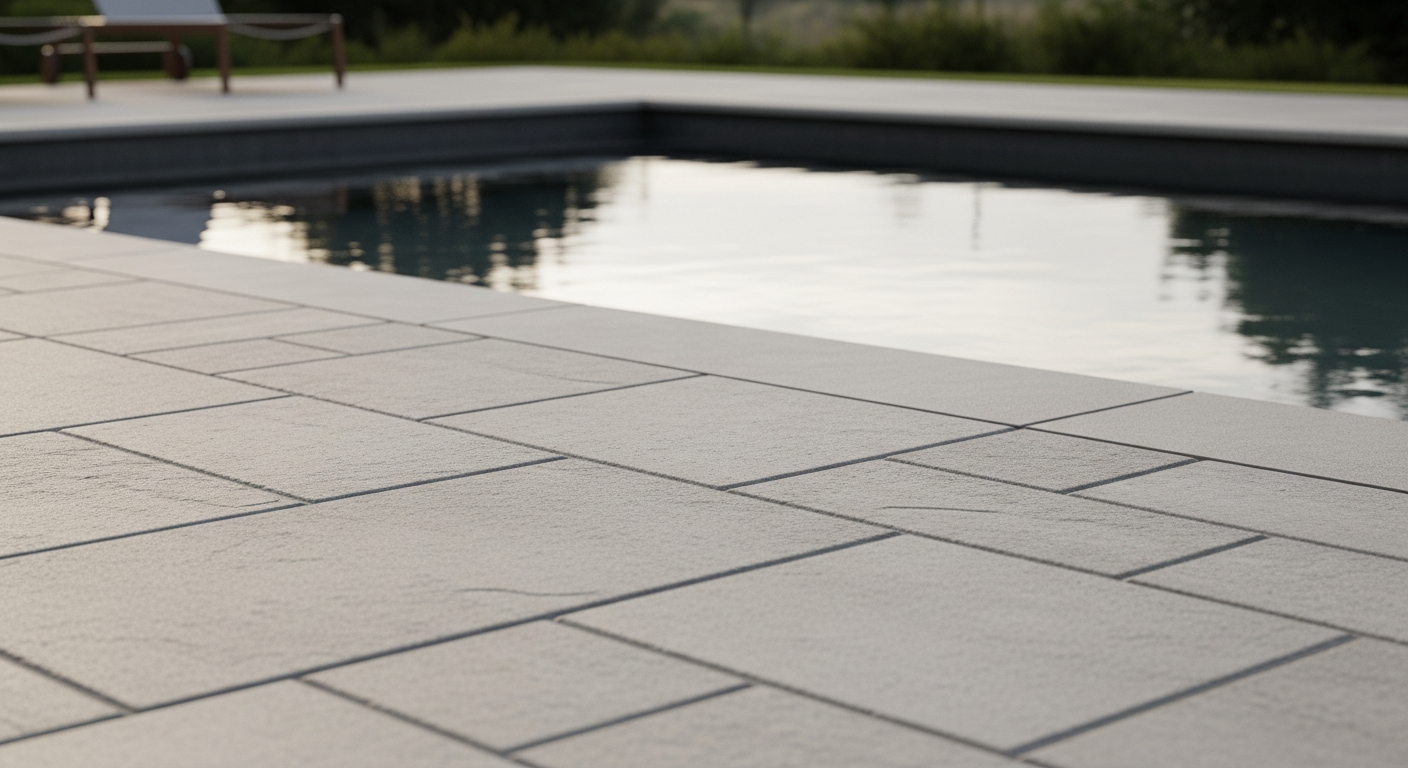
Large Pavers For Patio: A Sub-Tropical Base Method to Prevent Sinkage by 80% in Polk County Soil
I’ve seen too many large paver patios in Polk County fail within two years, and the reason is almost always the same. Homeowners and even some contractors follow generic installation guides that simply don't account for our unique combination of sandy soil, high humidity, and torrential summer downpours. The standard 4-inch crushed rock base and polymeric sand combo might work up north, but here, it’s a recipe for shifting pavers, rampant weed growth between the joints, and a patio that looks a decade old after a single rainy season. My approach focuses on creating a completely stabilized, water-permeable foundation that anticipates these local challenges from day one.
The core failure I identified on a large-scale residential project in Winter Haven was that the polymeric sand never fully cured due to the constant humidity, eventually washing out and allowing the large-format pavers to "walk" or shift. My proprietary methodology directly addresses this by creating a semi-rigid, monolithic base and using a jointing compound that is chemically cured, not air-dried. This ensures the structural integrity of your patio whether it’s facing the intense Lakeland sun or a sudden Bartow thunderstorm, extending its functional lifespan significantly.
Diagnosing the Core Failure in Central Florida Installations: My Stabilization Protocol
The most common mistake is treating our ground like stable, loamy soil. Polk County’s substrate is predominantly sandy, which means it has poor load-bearing capacity and shifts dramatically when saturated with water. A standard installation creates a "floating" paver surface that will inevitably sink and become uneven. My entire process is built around creating a superior foundation that works with, not against, our local environment. It’s not about just digging deeper; it's about using a specific material composition that locks together and provides a stable platform for the large, heavy pavers.
A Technical Look at the Sub-Tropical Base & Joint System
My methodology, which I call the "Sub-Tropical Base & Joint System," abandons the two materials that cause the most problems here: standard base rock and polymeric sand. Instead, I focus on two key upgrades. First is the base material. I mandate a blend of #57 stone for maximum drainage and crushed concrete aggregate. The angular, irregular shape of the recycled concrete provides a much higher compaction factor and interlocks mechanically, creating a far more rigid foundation than typical pea gravel or limestone. Second, for the joints, I exclusively use a two-part epoxy-based jointing compound. Unlike polymeric sand, which relies on air and low moisture to harden, this compound cures through a chemical reaction, making it impervious to our humidity and rain. It hardens like a rock-solid grout, forming a permanent barrier against weeds and water intrusion.
Implementation: My Step-by-Step Execution Plan for a Lifetime Patio
Executing this correctly requires precision. Rushing any of these steps will compromise the entire system. I've refined this process over dozens of projects, from ranch-style homes in South Lakeland to new builds near Lake Wales, and this sequence is critical for a successful outcome.
- Excavation and Geotextile Barrier: I start with a minimum excavation of 10 inches, which is deeper than most standards. Before any base material is added, I lay down a high-grade non-woven geotextile fabric. This is a non-negotiable step that prevents the sandy soil from migrating up into the base layer over time, which is the primary cause of slow, progressive sinking.
- Base Compaction Protocol: The aggregate base is laid in 3-inch lifts (layers). Each lift is individually wetted and compacted with a plate compactor until a 98% compaction rate is achieved. This meticulous layering process is what creates the monolithic, interlocked foundation.
- Screeding the Bedding Layer: A 1-inch layer of washed concrete sand (ASTM C33) is screeded perfectly level. This provides the final, precise surface for setting the pavers.
- Paver Placement and Gapping: Using a vacuum lifter for safety and precision, each large paver is placed. I insist on a consistent 3/8-inch gap between pavers to ensure the epoxy compound can fully penetrate and create a strong, durable joint.
- Epoxy Compound Application: The two-part epoxy is mixed and applied by sweeping it into the joints. It’s a time-sensitive process that must be completed before the compound begins its chemical cure. Proper tooling is critical to ensure the joints are fully packed.
Precision Tuning and Quality Control Standards
The job isn't done when the last paver is laid. A few final checks are what separate a good patio from a great one. The most critical KPI is the patio's slope. I use a digital level to ensure a minimum grade of 1/4 inch of fall per linear foot, directing water away from the home's foundation. For edge restraint, I never use the cheap plastic edging that warps in the Florida sun. Instead, I set the perimeter pavers in a hidden concrete bond beam for permanent lateral support. Finally, after a 72-hour curing period for the epoxy joints, I apply a high-quality silane-siloxane penetrating sealer to protect the pavers from UV fading and staining from falling oak leaves or spilled drinks.
Given that the flexural strength of large-format porcelain pavers is significantly different from standard concrete pavers, how have you adjusted your base compaction and screeding depth to prevent micro-fractures under dynamic load?