
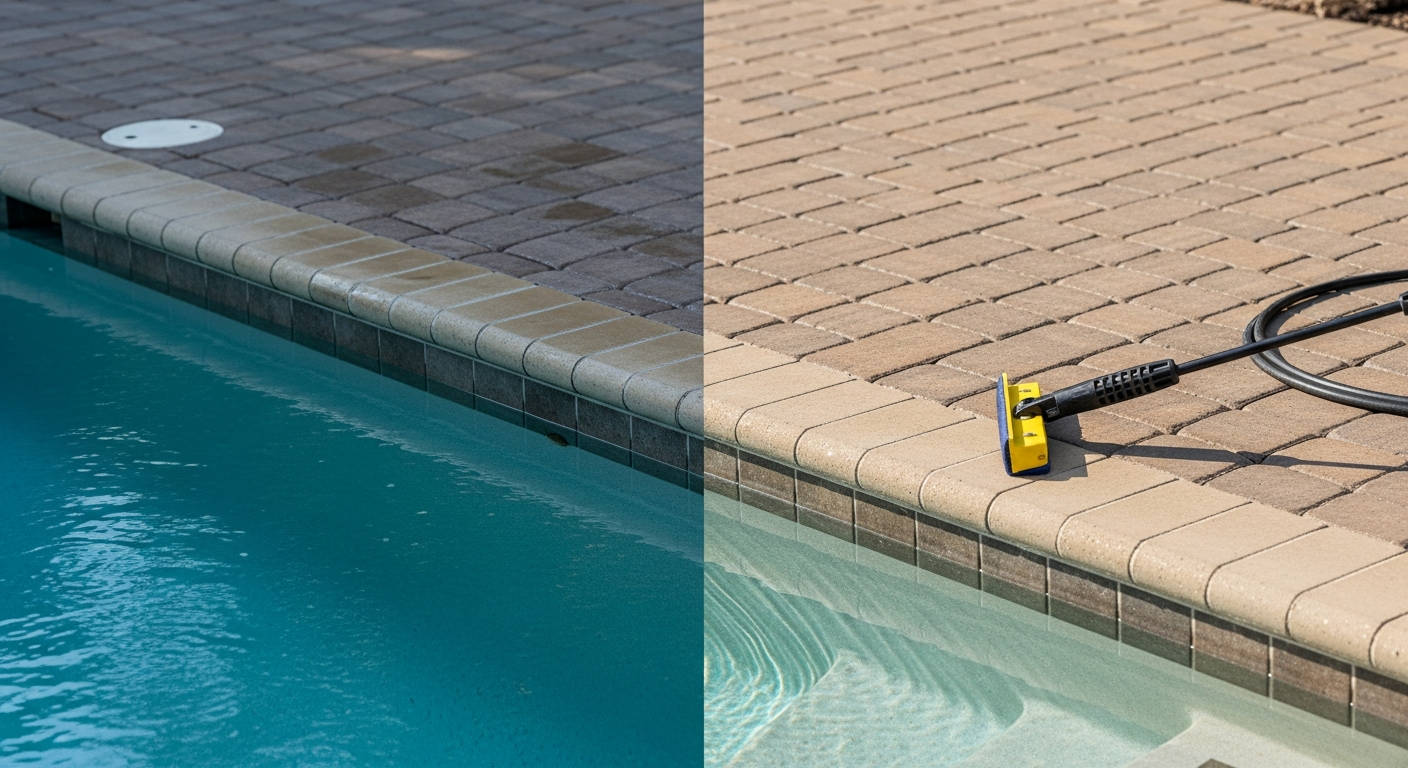
Patio Paver Cleaning And Sealing In Osceola County: A 5-Year Algae-Resistance Protocol
As a paver restoration specialist working exclusively in Osceola County, I’ve seen firsthand how our unique climate wages war on outdoor surfaces. The combination of intense Kissimmee sun, the high humidity of St. Cloud, and the torrential downpours common across the region creates a perfect breeding ground for aggressive black mold and algae. A simple pressure wash might look good for a month, but it fails to address the core issue: paver porosity and a lack of substrate protection, leading to rapid re-contamination. My entire approach is built on reversing this cycle. It's not about a temporary clean; it's about a deep decontamination followed by the application of a scientifically selected sealer that creates a non-porous, UV-resistant barrier. I’ve refined a protocol that focuses on extending the clean, aesthetic life of pavers for years, not weeks, directly counteracting the harsh effects of the Florida environment. This isn't just cleaning; it's a long-term preservation strategy.My Diagnostic Framework for Florida Pavers
Before a single drop of water is sprayed, I perform a mandatory three-point diagnostic. I developed this after an early career project in a Celebration community where the homeowner’s previous contractor sealed in moisture, causing widespread efflorescence (white, chalky mineral deposits). That costly mistake taught me that diagnosis is 90% of the job. My framework prevents such failures by analyzing the paver’s current state with forensic detail. The process involves assessing substrate porosity, identifying the specific biological and mineral contaminants, and evaluating the structural integrity of the paver joints. I often see beautiful travertine patios around the Reunion area that have been permanently etched by someone using the wrong pressure tip or an overly acidic cleaner. My diagnosis ensures the treatment protocol is precisely matched to the material and its condition, preventing irreversible damage.Deconstructing Paver Porosity and Contaminant Profiles
Understanding the enemy is critical. In Osceola, our primary paver contaminants are organic (algae, mildew, lichen) and mineral-based (efflorescence, rust from irrigation). Each requires a different chemical approach. Applying an acid-based cleaner to remove rust can strip the color from certain types of concrete pavers, a mistake I’ve been called in to fix countless times. My method involves a pH analysis of the staining. For organic growth, a controlled application of a commercial-grade sodium hypochlorite solution is necessary to kill the growth at its root. For mineral stains like rust, a targeted application of a buffered oxalic acid is required. I also test the porosity of the paver itself. Older, more porous pavers found in some established Kissimmee neighborhoods absorb more sealer and require a different application technique than the dense, modern pavers used in new builds. Ignoring this is the #1 reason for premature sealer failure.The Phased Execution: From Deep Cleaning to Sealer Curing
My implementation is a meticulous, multi-step process. Cutting corners at any stage compromises the longevity of the entire project. This is not a "one-day" job if you want results that last.- Surface Decontamination: I use a low-pressure, high-volume surface cleaner, never a high-pressure "turbo" nozzle which can scar the paver surface. The goal is to lift contaminants without eroding the paver's delicate "cream layer."
- Targeted Stain Treatment: Following the diagnostic, I apply the specific chemical agents with precise dwell times to break down stains without damaging the paver or surrounding vegetation.
- Joint Stabilization: This is the most critical and often overlooked step. After cleaning, I excavate the old, contaminated joint sand. I then install new polymeric sand. Unlike regular sand that washes away in the first Osceola thunderstorm, this sand contains a polymer that hardens when activated with water. This locks the pavers together, prevents weed growth, and denies ants a place to nest—a constant battle here in Florida.
- Sealer Application: I exclusively use a commercial-grade, solvent-based acrylic sealer with high solids and UV inhibitors. I apply two thin, uniform coats with a specialized sprayer. A thick single coat is a recipe for trapping moisture, leading to a cloudy or "blushed" finish.
Precision Sealing: Calibrating for Osceola's Climate
The final variable is the weather itself. Applying sealer in the direct, high heat of a Florida afternoon can cause it to "flash" cure, trapping solvents and creating a weak bond. I learned this the hard way on a pool deck project near ChampionsGate years ago. Now, my standard operating procedure includes using a digital moisture meter to ensure the pavers are below a 15% moisture threshold before any sealer is applied. I also adjust my sealer viscosity and application time based on the ambient humidity and temperature. For pool decks, I always integrate a slip-resistant polymer additive into the final coat. This creates a textured, safe surface without compromising the clear finish. It’s a non-negotiable step for any surface that will be exposed to water and foot traffic. My quality control check involves examining the sealed surface from multiple angles to ensure a consistent, even sheen with zero signs of hazing. Are you certain your patio is protected by a sealer engineered to block the specific UV spectrum and hydrostatic pressure found in Central Florida, or is it just a temporary cosmetic film?Written by

Tags
patio paver cleaning and sealing
cleaning and sealing patio pavers
paver patio cleaning and sealing
paver driveway sealing
paver sealers


