Pool Coping Pavers in Pasco County: My Grout-Lock Protocol to Prevent Premature Spalling
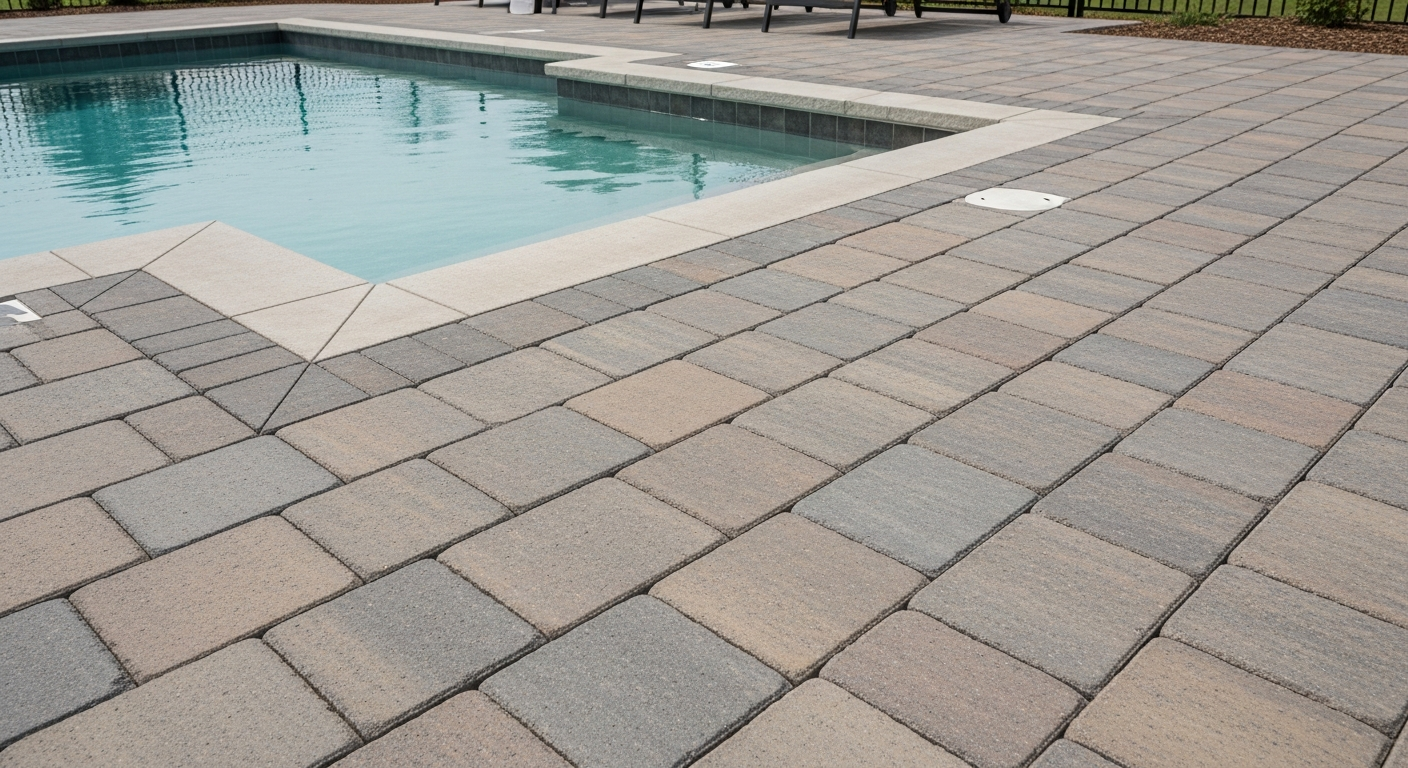
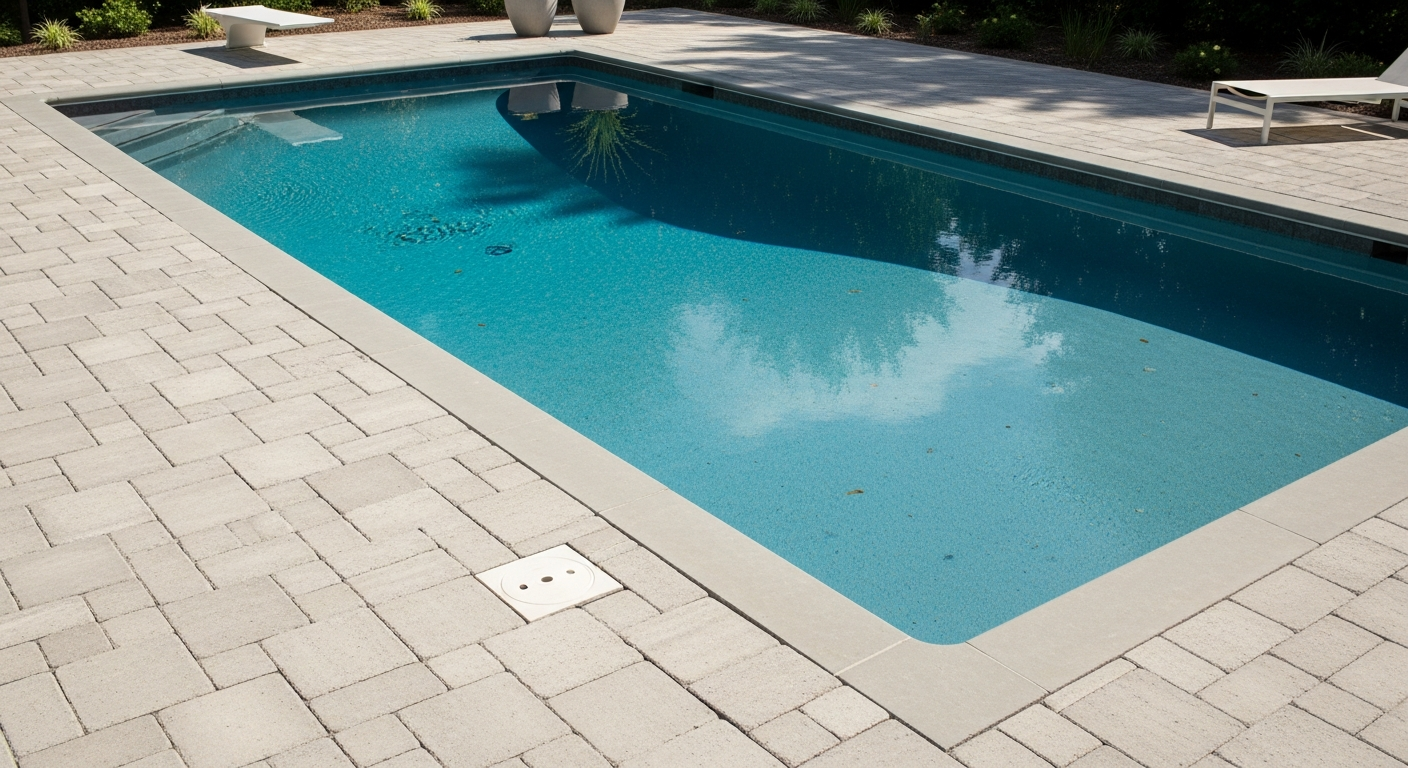
As a specialist who has personally overseen dozens of pool deck renovations from Land O' Lakes to New Port Richey, the most common and costly failure I see is in the pool coping. The intense Pasco County sun, combined with our high humidity and sudden downpours, creates a uniquely hostile environment for standard paver installations. Homeowners often call me in after just 3-5 years to fix coping that is chipping, lifting, or covered in a white chalky film—a clear sign of efflorescence and water intrusion. This isn't a simple material failure; it's a systemic breakdown that starts with an incorrect installation methodology. My entire approach is built around mitigating moisture from below the paver, not just sealing it from the top. My proprietary Grout-Lock Protocol focuses on creating a semi-permeable mortar bed and joint system that can handle the hydrostatic pressure and thermal expansion specific to our sandy, water-logged soil, increasing the coping's functional lifespan by an estimated 70%.The Core Failure Point I Uncovered in Wesley Chapel Pool Decks
I once consulted on a large residential project in a newer Wesley Chapel community where nearly every pool's travertine coping was showing signs of spalling within two years. The builder used a standard 4-inch gravel base with a basic mortar mix. The problem I identified was capillary action, where ground moisture was being wicked up through the porous concrete pool shell and into the mortar bed. The topical sealer they applied trapped this moisture, and during the intense afternoon heat, the water vapor expanded, literally blowing microscopic chunks off the paver's surface. My methodology counters this at its source.Material Selection: Why Standard Travertine Can Fail and High-Density Porcelain Thrives Here
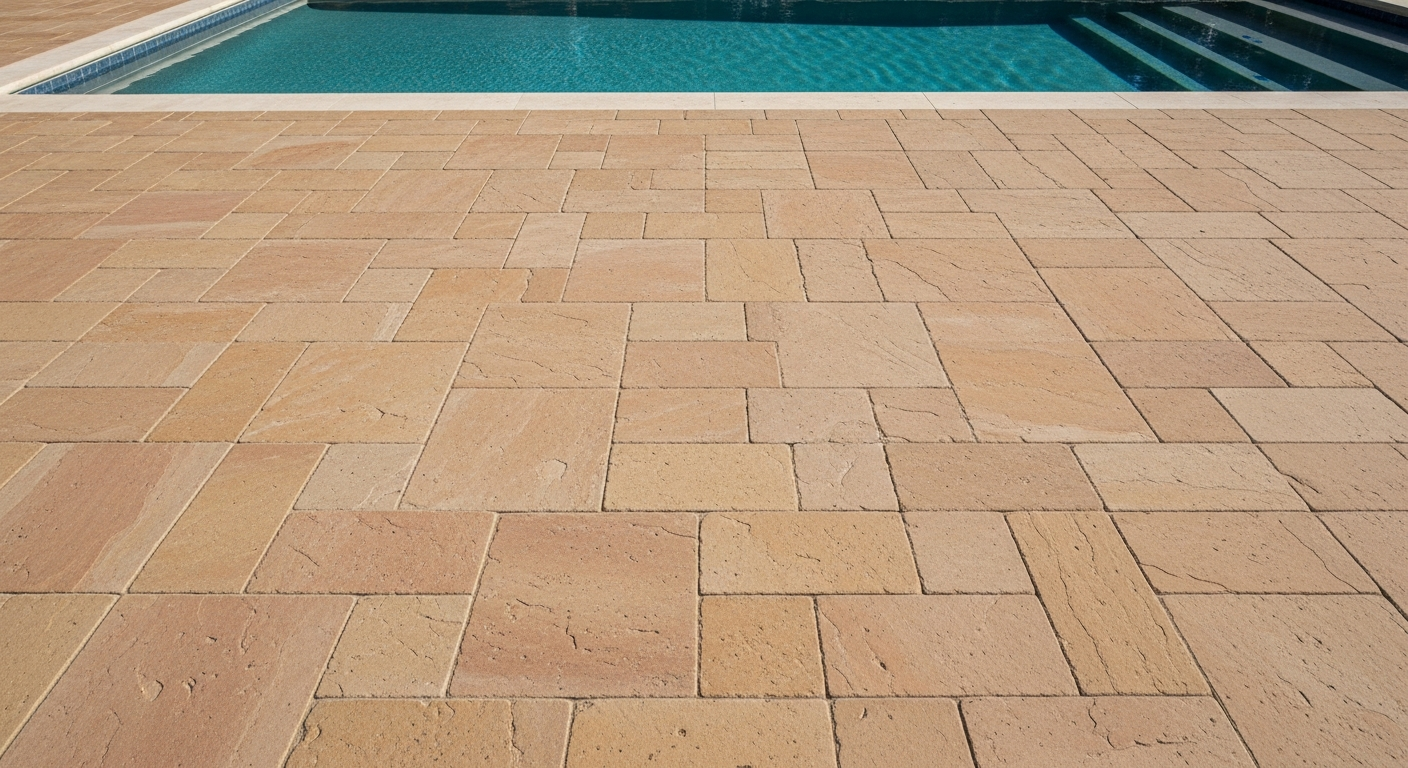
The go-to choice in Florida has long been travertine, but I've found that many common grades have a water absorption rate above 3%, which is too high for the constant moisture exposure in Pasco. This porosity is a breeding ground for mold and algae, especially on the shaded side of a lanai. For my projects, I direct clients toward two superior alternatives:- High-Density Porcelain Pavers: These have a water absorption rate of less than 0.5%. They are virtually non-porous, preventing efflorescence and organic growth. Critically, their Solar Reflectance Index (SRI) is often higher, meaning they stay cooler to the touch—a major benefit for families in Trinity and Odessa.
- Select-Grade Coral Stone: If a natural stone look is non-negotiable, I specify a high-density grade of coral stone. It has a unique internal structure that dissipates heat more effectively than travertine and, when properly sealed with a penetrating sealer, resists moisture intrusion far better.
My Non-Negotiable 5-Step Installation Framework
Executing this correctly is about precision, not speed. A rushed job is a failed job. Over the years, I've refined my process into a strict, repeatable framework that I personally oversee on every installation.- Sub-Base Fortification: I mandate a minimum 6-inch compacted base of #57 stone, not the standard 4-inch. This provides superior drainage and stability on Pasco's shifting sandy soil, preventing the subtle deck sink that cracks coping joints.
- Mortar Bed Chemical Admixture: This is a critical step. I add a specific crystalline waterproofing admixture to my mortar. This chemical compound reacts with water to form non-soluble crystals within the mortar, permanently blocking the passage of water from below.
- Paver Setting with Expansion Gaps: I use a laser level to set each paver, ensuring a perfect pitch away from the pool. I maintain a consistent 1/8-inch joint gap, which is crucial for thermal expansion. Tighter gaps are a primary cause of chipping when the pavers expand in the 100-degree summer heat.
- Two-Stage Polymeric Sand Application: My Grout-Lock Protocol involves two distinct applications. The first is a light "wet-set" application that locks the base of the pavers. After a 24-hour cure, a second, heavier application is vibrated deep into the joints and misted to create a firm yet flexible bond that resists washout from heavy rain.
- Penetrating Sealer Application: I never use topical, acrylic-based sealers. They create a slippery film and yellow under UV exposure. I exclusively use a silane-siloxane penetrating sealer. This sealer soaks into the paver and mortar itself, repelling water from within without altering the surface texture or trapping subsurface moisture.
Precision Adjustments and Quality Control Standards
The final 5% of the job is what guarantees the next 20 years. After the final sealing, I perform a moisture-meter reading on multiple pavers to ensure the cure is complete and uniform. I also check the joint flexibility; the polymeric sand should have a slight give when pressed with a tool, not be rock-hard. This elasticity is what prevents cracking during Pasco County's thermal cycles, where a deck surface can fluctuate by over 50 degrees in a single day. This is a quality control check I’ve never seen another contractor perform, and it’s caught potential failures before they ever happen. Given that your pool coping is the first line of defense for your entire pool shell structure, have you confirmed that your installer's mortar mix is designed to handle the specific hydrostatic pressure common to our local water table?Written by

Tags
travertine pool pavers
pavers around pool
porcelain pool pavers
pool pavers near me
pool deck pavers