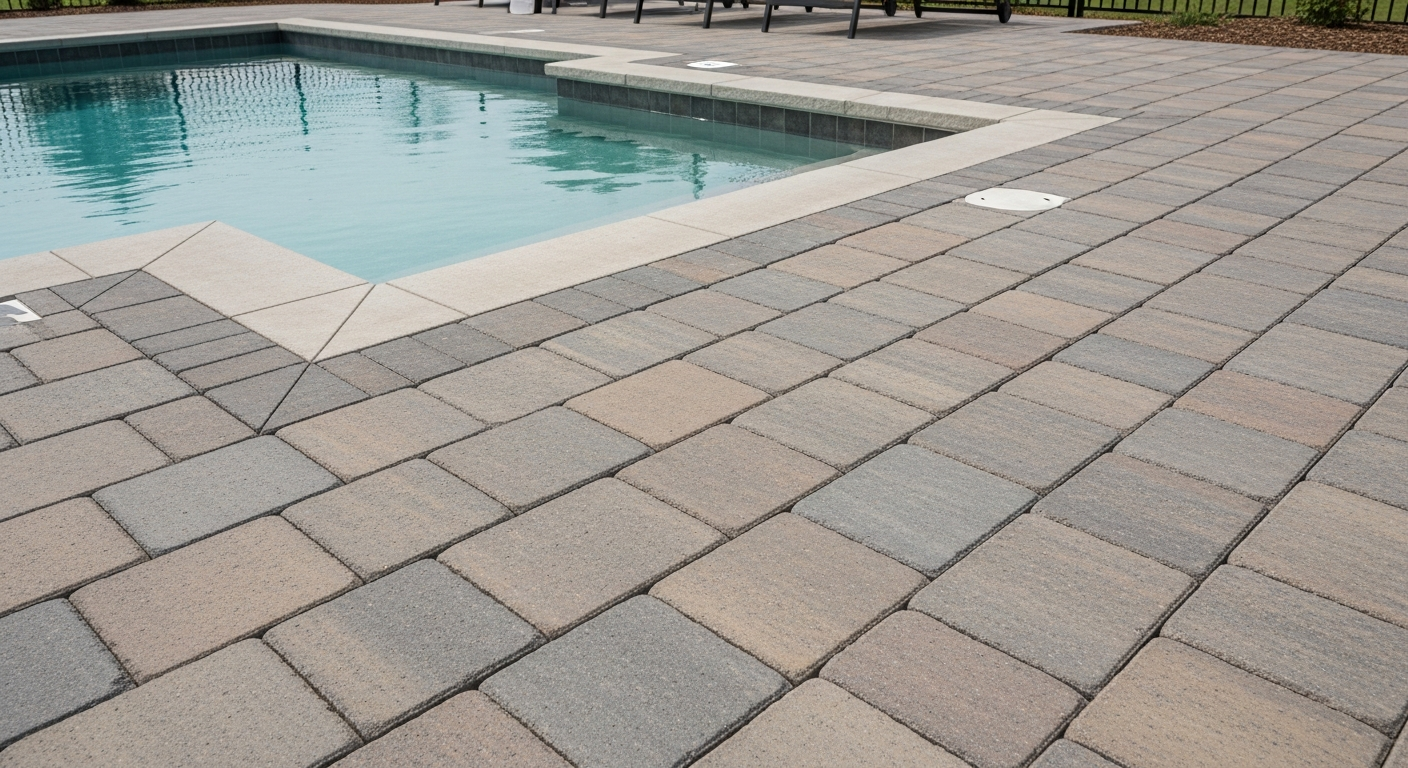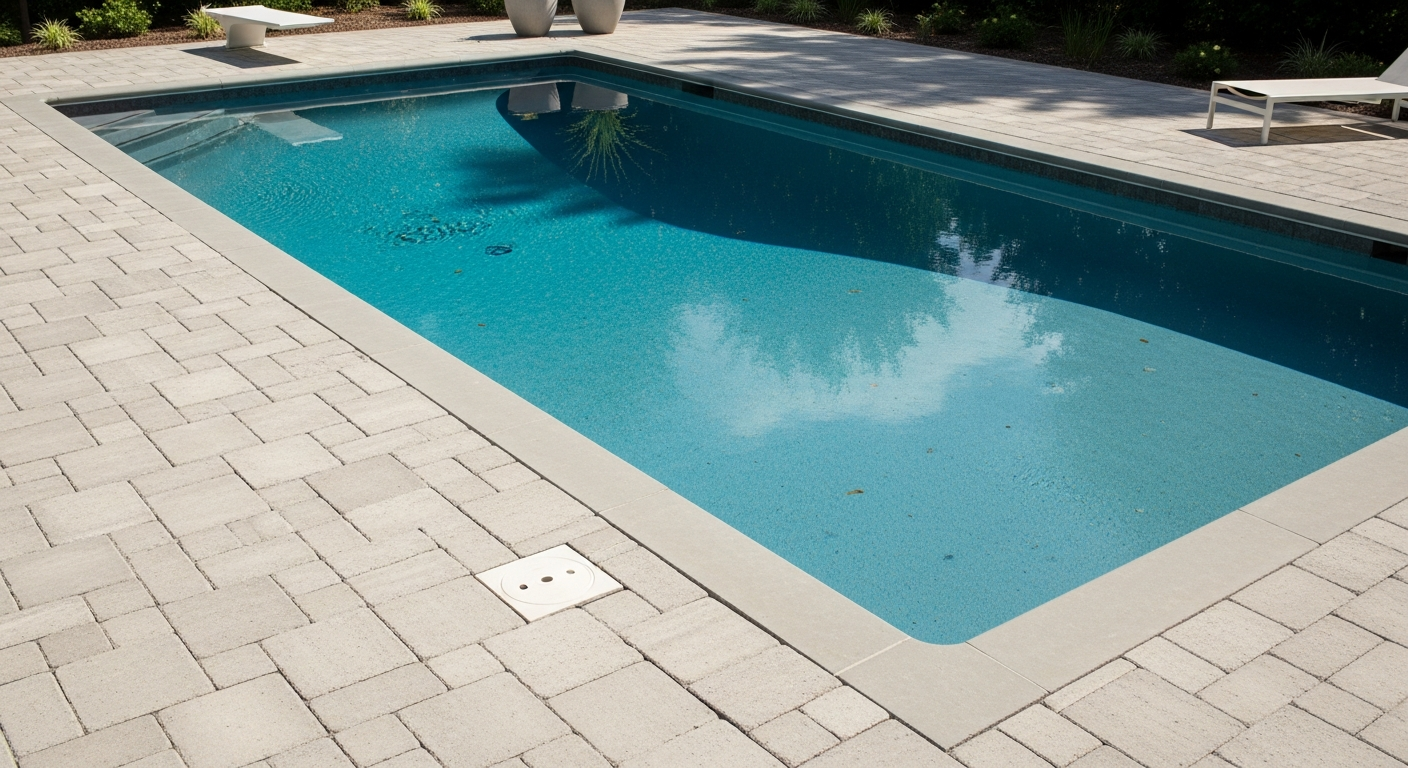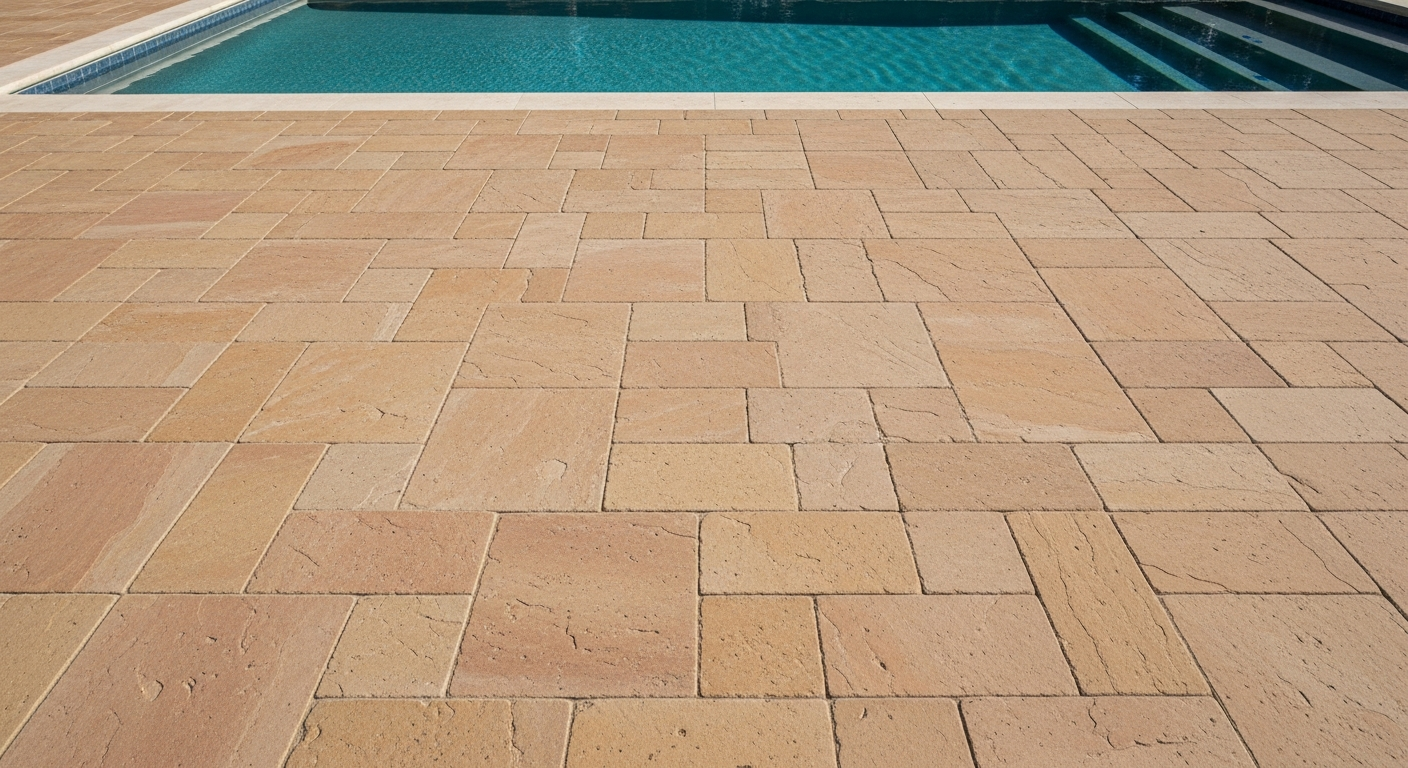
Pool Deck Pavers Pasco County: My Protocol for a 30% Cooler Surface and Preventing Subsurface Erosion
My work on pool decks across Pasco County, from the large lanai homes in Trinity to the newer developments in Wesley Chapel, has revealed a critical pattern: most paver failures are not due to the paver itself, but to a fundamental misunderstanding of our local subsurface conditions. The combination of intense Florida sun, high humidity, and sandy, porous soil creates a trifecta of challenges that generic installation methods simply cannot handle. The result is often shifting pavers, persistent mold, and surfaces that become dangerously hot.
I’ve developed a specialized protocol that directly addresses these Pasco-specific issues. It's not about just laying stones; it’s a system designed to create a stable, cooler, and low-maintenance pool deck that withstands our unique climate. This approach focuses on two key outcomes: achieving a significant reduction in surface temperature and engineering a base that actively resists erosion from our torrential summer downpours. This is the difference between a deck that looks good for a year and one that performs for decades.
My Pasco-Specific Paver Longevity Framework
Over the years, I've been called in to diagnose countless sunken or weed-infested paver decks, particularly in areas like Land O' Lakes where water tables can be high. The common failure point I identified was an inadequate base that treated our sandy soil like standard loam. My framework corrects this by focusing on three distinct performance layers: the paver surface, the stabilized base, and the locking joints. Standard industry practice often merges the last two, which is a critical error in high-moisture environments.
The Technical Selection: Paver Material vs. Pasco Climate
The first decision point is the paver material, and it’s where most people are misled by aesthetics alone. For Pasco County, the primary technical metric is the
The 5-Step Execution Plan for a Flawless Pasco County Pool Deck
Execution is everything. A premium travertine paver on a poorly prepared base will fail. My methodology is rigid and built around verifiable checkpoints. This isn't just a process; it's a quality control system I've refined project after project.
- Step 1: Excavation and Geo-Textile Barrier: I mandate excavation to a minimum depth of 7 inches for pedestrian pool decks. Before any base material is added, a
geo-textile separation fabric is laid down. This is a non-negotiable step in Pasco. It prevents the base aggregate from migrating down into the fine sand subgrade over time, which is the primary cause of slow, uniform sinking. - Step 2: The Compacted Aggregate Base: This is the heart of the system. I use a 4- to 6-inch layer of crushed concrete or limestone aggregate. The critical action is compacting this base in 2-inch lifts (layers) using a plate compactor to achieve a minimum of
95% Proctor density. I frequently see installers dump all 6 inches at once and run a compactor over the top, which only compacts the surface, leading to future settling. - Step 3: Bedding Sand Screed: A precise 1-inch layer of
ASTM C33 sand is screeded (leveled) over the compacted base. This sand must be uniform. Any variance here will translate into visible unevenness on the paver surface. - Step 4: Paver Installation and Adjustment: The pavers are laid in the desired pattern. The key here is using a rubber mallet to set the paver into the sand bed and ensure tight edge-to-edge contact. I insist on a gap of no more than 1/8 inch between pavers.
- Step 5: Joint Stabilization and Sealing: This final phase is what locks the entire system together. I exclusively use high-quality
polymeric sand. After sweeping it into the joints, the surface is compacted one last time to vibrate the sand down, then misted with water to activate the polymers. This creates a firm, semi-flexible joint that prevents weed growth and, most importantly, stops our heavy rains from washing out the crucial bedding sand from beneath the pavers.
Post-Installation: Sealing Chemistry and Efflorescence Control
Sealing is not just for looks; it’s a crucial performance enhancer. I avoid thick, topical acrylic sealers that trap moisture and can become hazy and peel in the Florida sun. My standard is a
Before you approve any paver project, what is your installer's specified compaction rate in Proctors for our local sandy soil?