Pinellas County Pool Design: My Framework for 30% Less Maintenance in High-Salt Environments
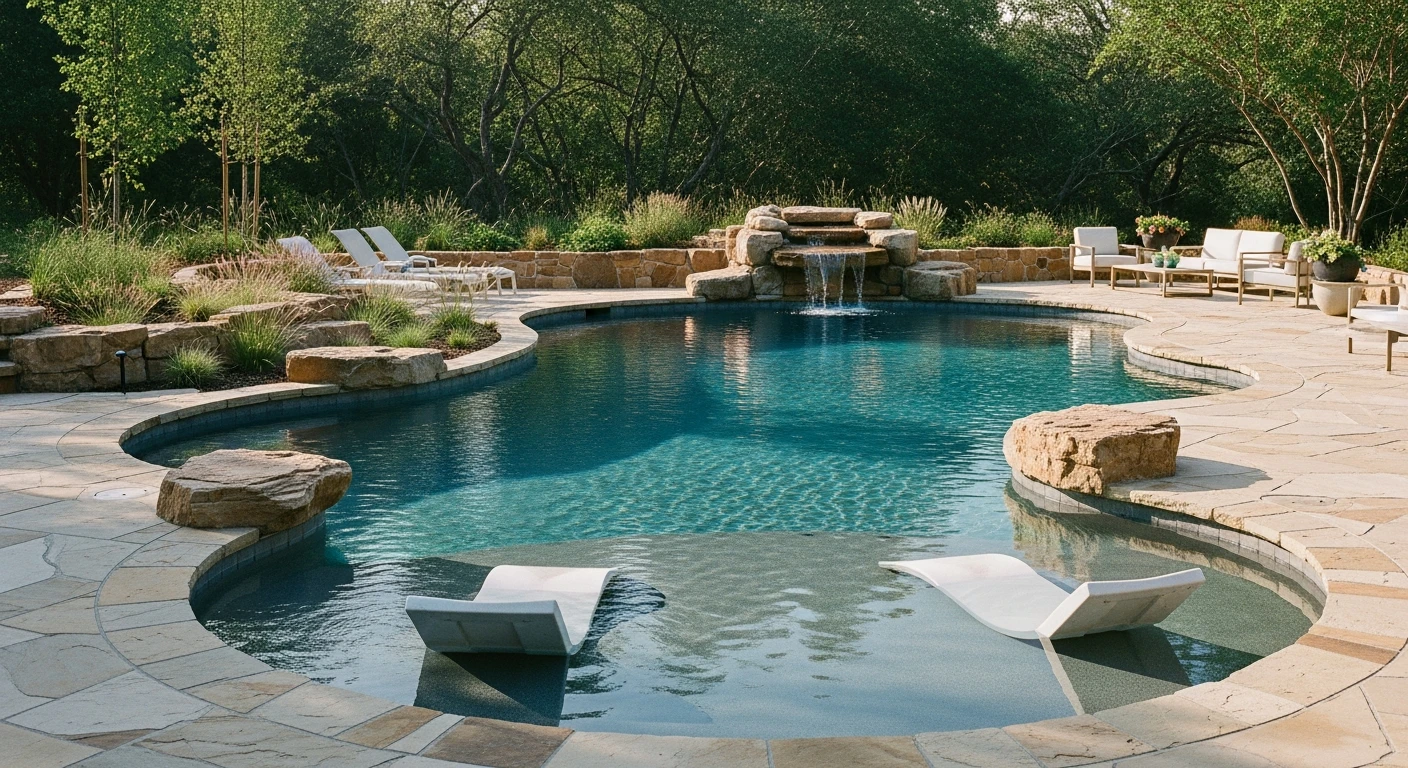
Most pool designs in Pinellas County fail to account for our corrosive salt air and intense sun, leading to premature material decay and escalating maintenance costs. I've seen this firsthand in multi-million dollar waterfront homes in Clearwater Beach where the coping started to spall in under five years. The typical "catalog" approach simply doesn't work here. My entire design philosophy is built on a material-first methodology that prioritizes longevity and operational efficiency over fleeting trends. This involves specifying non-porous surfaces, engineering for our unique water table, and a strategic orientation that mitigates UV degradation. The result is a pool that not only looks stunning but also actively resists the harsh realities of our coastal Florida environment, reducing chemical usage and manual cleaning by a measurable margin.The Core Diagnostic Failure in Pinellas Pool Projects
After analyzing dozens of pool failures from St. Pete to Palm Harbor, I identified a recurring error: designers treat all of Pinellas County as a single climate zone. They fail to differentiate between the high-salinity aerosol effect on Treasure Island and the less intense, but more humid, environment of an inland property. This oversight is the root cause of most long-term issues. My proprietary methodology, which I call the "Coastal Durability Matrix," cross-references a property's specific location with material science data. It’s a diagnostic tool I developed after a project in a Snell Isle historic home required a complete resurfacing because the chosen plaster couldn't handle the brackish water table intrusion. The matrix forces a critical analysis of substrate, salt exposure, and solar path before a single line is drawn.Material Science vs. Aesthetics: A Non-Negotiable Calculation
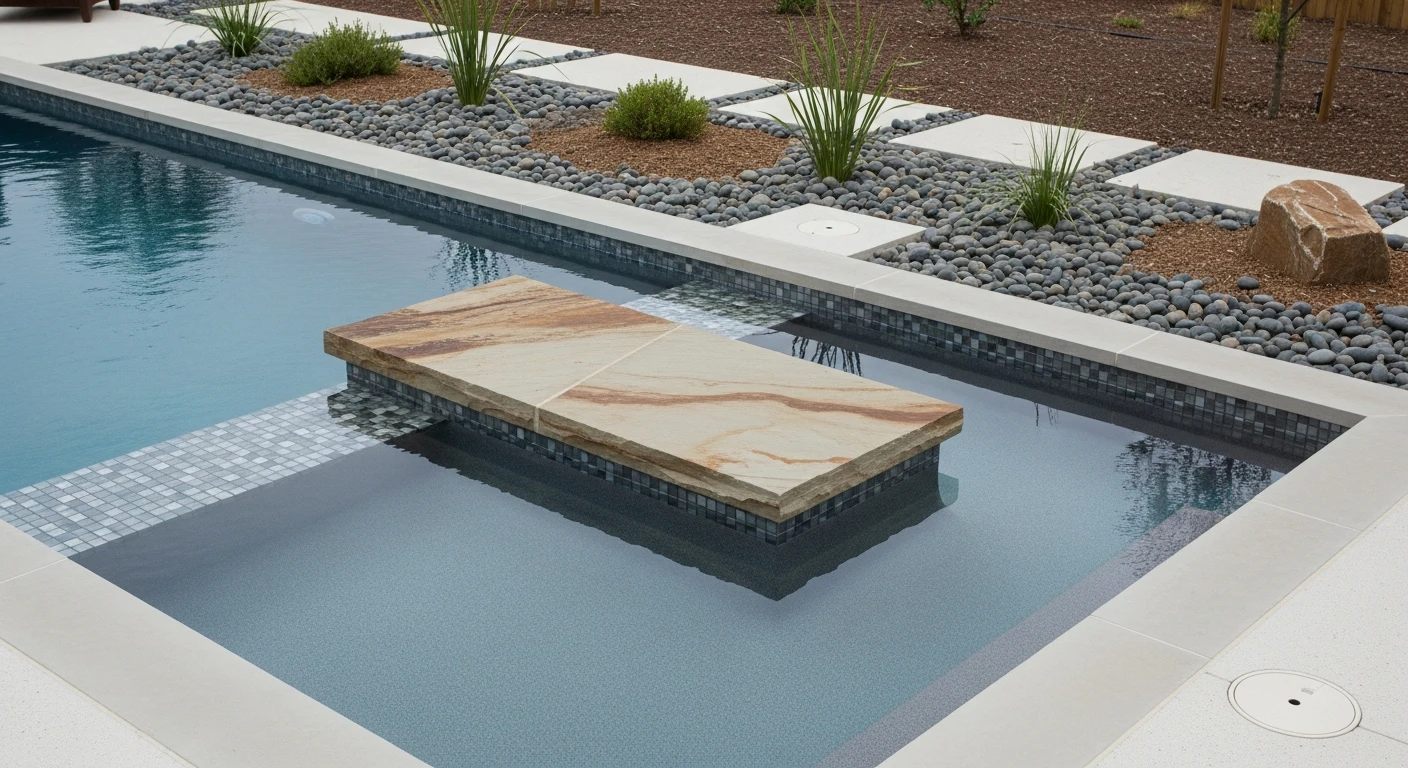
A pool's success is determined long before the first shovel hits the ground. It's in the material specification. Here’s where I see the most expensive mistakes being made and how I prevent them.- Coping and Decking Selection: Standard travertine is a popular choice, but it's a critical error for any property on or near the water. Its high porosity acts like a sponge for salt spray, leading to subsurface decay. For waterfront projects, I specify pre-sealed, low-porosity shellstone or large-format porcelain pavers. This simple change can increase the lifespan of the pool surround by over 50%.
- Interior Finish Resilience: A common issue in the older neighborhoods of St. Petersburg is ground shift and water table fluctuations. A standard plaster or aggregate finish is too rigid and prone to cracking. I’ve found that a polymer-modified pebble finish offers superior flexibility and stain resistance, making it a far more resilient choice for these specific geological conditions.
- Water Feature Hydraulics: I was once called to fix a brand-new water feature in Dunedin that was underperforming. The builder had installed a massive, beautiful scupper but paired it with an undersized pump. My protocol is to calculate the feature's required GPM (gallons per minute) flow rate first, and only then select a variable-speed pump capable of delivering that flow rate at around 70% of its maximum RPM. This ensures efficiency and prevents premature motor burnout.
My 4-Phase Implementation Protocol for Longevity
A durable design requires a disciplined implementation. I insist on a phased approach that builds in quality control at every critical step. This isn't just about building to code; it's about building beyond it.- Phase 1: Site & Solar Analysis: Before design, I map the sun's path across the property throughout the day. By orienting features like a sun shelf or spa to minimize direct afternoon sun exposure, we can dramatically reduce water temperature, lowering evaporation and chemical consumption by up to 15% in the summer months.
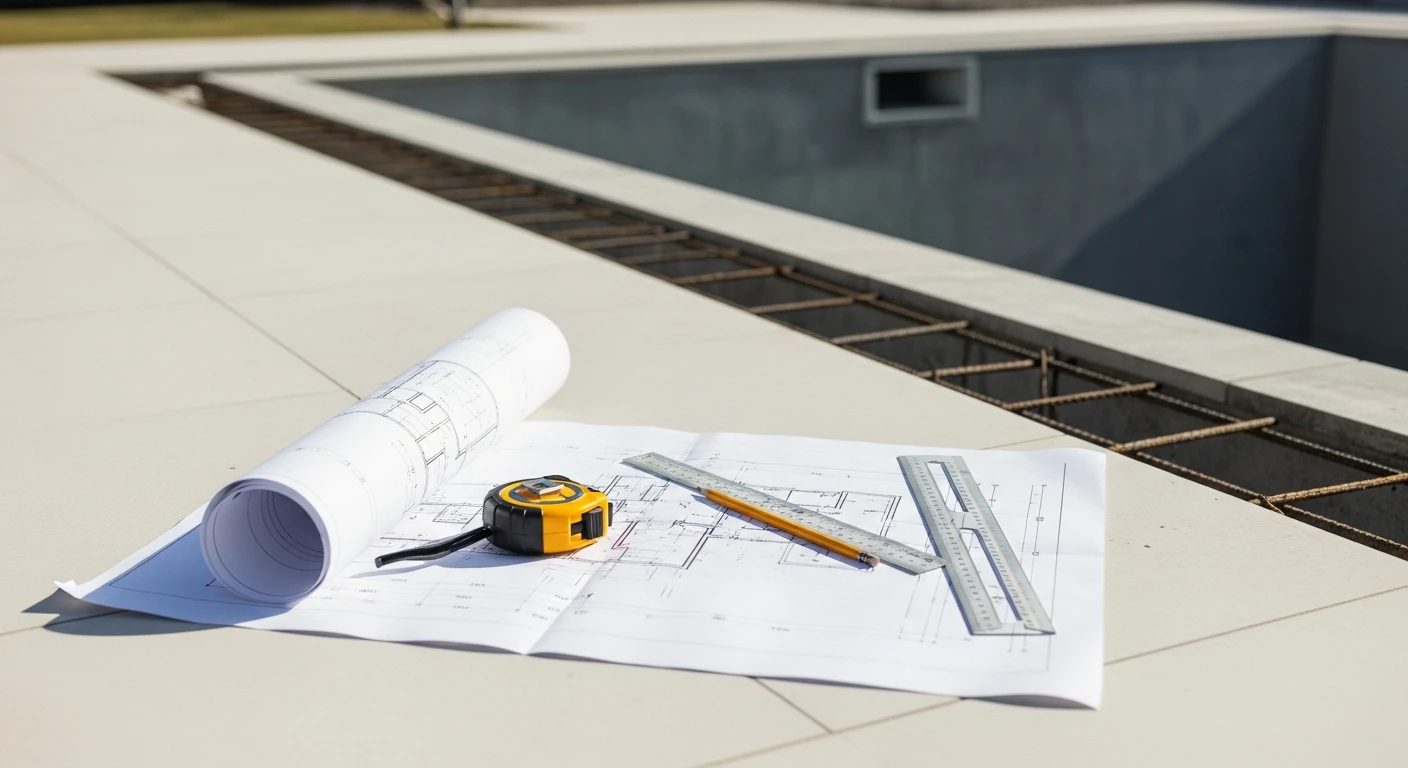
- Phase 2: Reinforcement & Plumbing Specification: For Pinellas, I mandate a #4 rebar grid (12-inch on-center), which exceeds the standard for many builders. All plumbing is pressure-tested to 40 PSI for 24 hours, a step often rushed or skipped, which is how I find the slow leaks that cause massive foundation and deck problems later on.
- Phase 3: Surface Application Integrity: The bonding coat between the concrete shell and the interior finish is a major point of failure. I have a strict requirement for a low-slump, high-adhesion bonding mix and I personally inspect the surface preparation to ensure it's free of any hydrostatic release points.
- Phase 4: Equipment Pad & Automation Calibration: All equipment, especially salt chlorine generators, must use marine-grade 316L stainless steel hardware to prevent corrosion. Post-installation, I personally calibrate the variable-speed pump’s programming to match the pool’s specific volume and feature set, optimizing for the lowest possible energy draw.
Precision Tuning for Peak Performance and Safety
The final 10% of the work is what separates an average pool from a high-performance one. It's about precision adjustments that ensure safety and usability for years to come. I focus on the electrical bonding grid, a critical safety feature that is shockingly easy to get wrong. Every piece of metal within five feet of the water's edge, from the rebar to the handrail, must be properly connected to the bonding loop. I use a multimeter to verify continuity at every point before any decking is installed. Another key detail is the coping overhang; I specify a 1.5-inch cantilever with an integrated drip edge. This small detail prevents water from running down the face of the beam, eliminating the ugly staining that plagues so many pools. Are you certain your current pool plan accounts for the hydrostatic pressure changes common in our Pinellas County soil, or is it a foundation crack waiting to happen?Written by

Tags
pools for small backyards
pool deck ideas for above ground pools
ideas for above ground pools with deck
swimming pools for small back yards
Pool Design Ideas in Pinellas FL FAQ
What are the benefits of hiring a professional pool designer?
Hiring a professional pool designer can bring numerous benefits to your pool project. They will help you create a custom design that suits your backyard space, budget, and personal style. Professional pool designers also consider factors such as safety, functionality, and maintenance requirements to ensure your pool meets your needs. Additionally, they can provide valuable insights and recommendations to optimize your pool's performance and energy efficiency.
How long does it take to design a pool?
The time it takes to design a pool can vary depending on the complexity of the project, the size of the pool, and the number of revisions required. Typically, a professional pool designer will take 2-4 weeks to complete the design phase, including site visits, consultations, and design iterations.
Can I customize my pool design?
Yes, pool design is a highly customizable process. A professional pool designer will work closely with you to understand your vision, preferences, and needs. You can choose from a wide range of materials, shapes, sizes, and features to create a unique pool that reflects your personal style and complements your backyard.
What are the different types of pool designs?
There are several types of pool designs to choose from, including infinity pools, saltwater pools, fiberglass pools, vinyl-lined pools, and concrete pools. Each type has its own unique characteristics, benefits, and drawbacks. A professional pool designer can help you determine which type of pool is best suited for your needs and budget.
How much does it cost to design a pool?
The cost of designing a pool can vary depending on the complexity of the project, the size of the pool, and the designer's fees. Typically, a professional pool designer will charge between $500 to $2,000 for their services. This fee usually includes a site visit, consultation, design iterations, and a final design plan.
Can I design my pool myself?
While it's possible to design a pool yourself, it's often recommended to hire a professional pool designer. A professional has the expertise, experience, and knowledge to create a custom design that meets your needs and complies with local building codes and regulations. Additionally, a professional pool designer can help you avoid common mistakes and ensure your pool is built to last.
How do I know if my pool design is safe?
A professional pool designer will ensure that your pool design meets or exceeds local building codes and regulations. They will also consider factors such as pool placement, fencing, and barriers to prevent accidental entries or falls. Additionally, you can check with local authorities or pool safety experts to ensure your pool design meets safety standards.
Can I change my pool design after it's been built?
While it's generally easier to modify a pool design before construction begins, it's not impossible to make changes after the pool has been built. However, significant changes may require additional costs and may affect the pool's functionality or warranty. It's best to consult with a professional pool designer or builder to determine the feasibility and cost of making changes to your existing pool design.