Pinellas County Pool Leak Detection: My Protocol for Pinpointing Leaks and Avoiding Unnecessary Deck Demolition
As a specialist who has spent years diagnosing water loss in pools from St. Pete Beach to Dunedin, I've seen the financial and structural damage a hidden leak can cause. The most common mistake I see homeowners in Pinellas County make is authorizing costly, invasive repairs based on a simple dye test or an inconclusive pressure test. My entire diagnostic protocol is built around one principle: achieving sub-centimeter accuracy in leak location *before* a single piece of your pool deck or shell is touched. This isn't just about finding the leak; it's about validating the precise point of failure to prevent a $500 plumbing fix from turning into a $5,000 excavation project. The unique challenge here in Pinellas is our high water table and sandy, shifting soil, especially in waterfront communities like Treasure Island and Tierra Verde. These conditions can create "ghost leaks" where water travels underground, emerging far from the actual source, fooling less experienced technicians. Standard electronic listening devices often fail here, picking up ambient ground noise. That’s why I abandoned them years ago in favor of a more precise methodology that accounts for our specific geological and climatic factors.My Diagnostic Framework: Beyond the Standard Dye Test
Before any equipment is even deployed, my process starts with data. I calculate a custom Evaporation Rate Coefficient (ERC) for your specific pool's surface area, sun exposure, and wind patterns. The common "bucket test" is a decent starting point, but it fails to account for the microclimate of a screened-in lanai versus an open-air pool in Clearwater, often leading to false negatives. I once consulted on a project in a large condo complex where a significant main drain leak was missed for months because their maintenance crew relied solely on a bucket test that couldn't overcome the high evaporation from the coastal winds. My initial assessment focuses on a critical question: is the water loss structural, or is it related to the plumbing system? I analyze the rate of water loss with the pump on versus the pump off. A significant increase in loss with the system running points toward a pressure-side leak (the return lines), while consistent loss regardless of pump status often suggests a suction-side (skimmer, main drain) or structural shell issue. This simple, data-driven step prevents wasting hours pressure testing the wrong half of the system, a common inefficiency I've observed.Executing the Hydro-Acoustic & Static Pressure Analysis
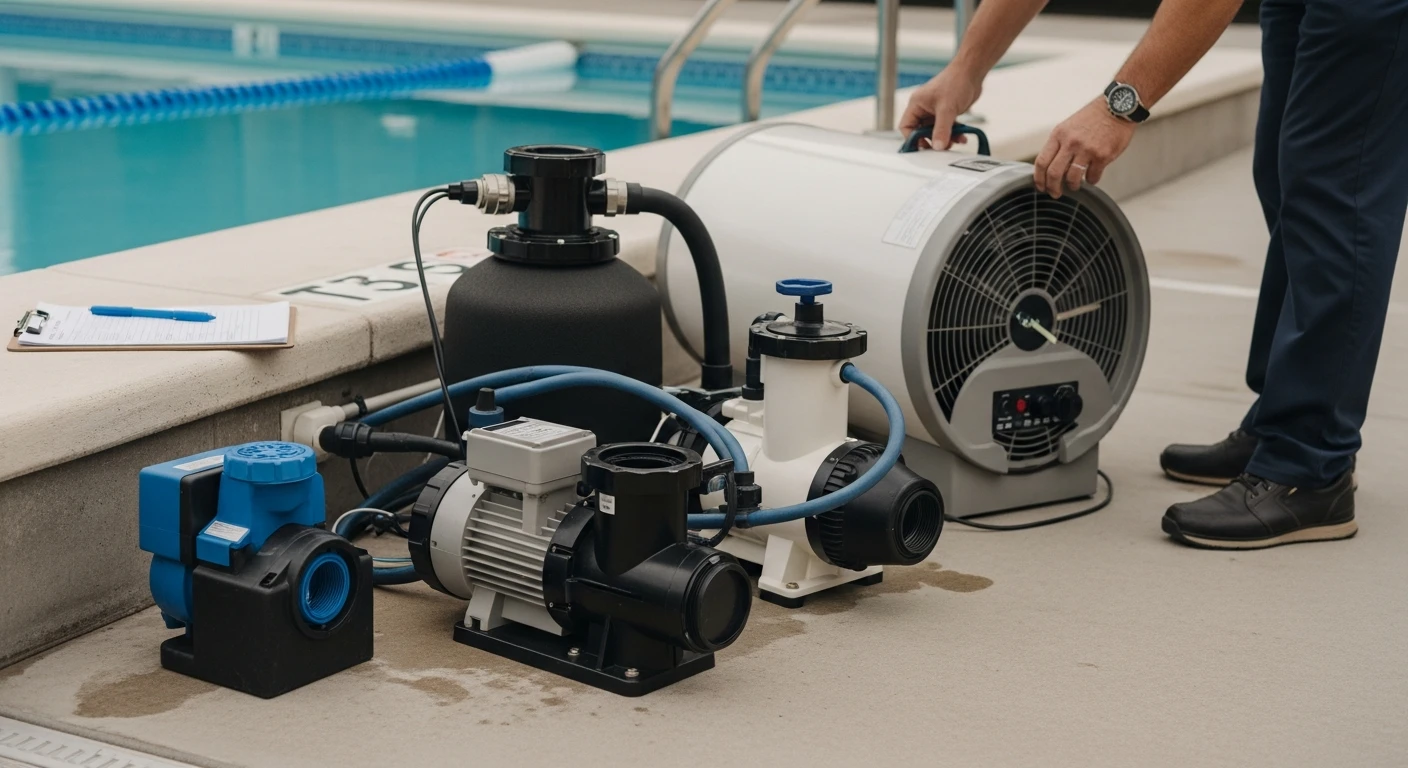
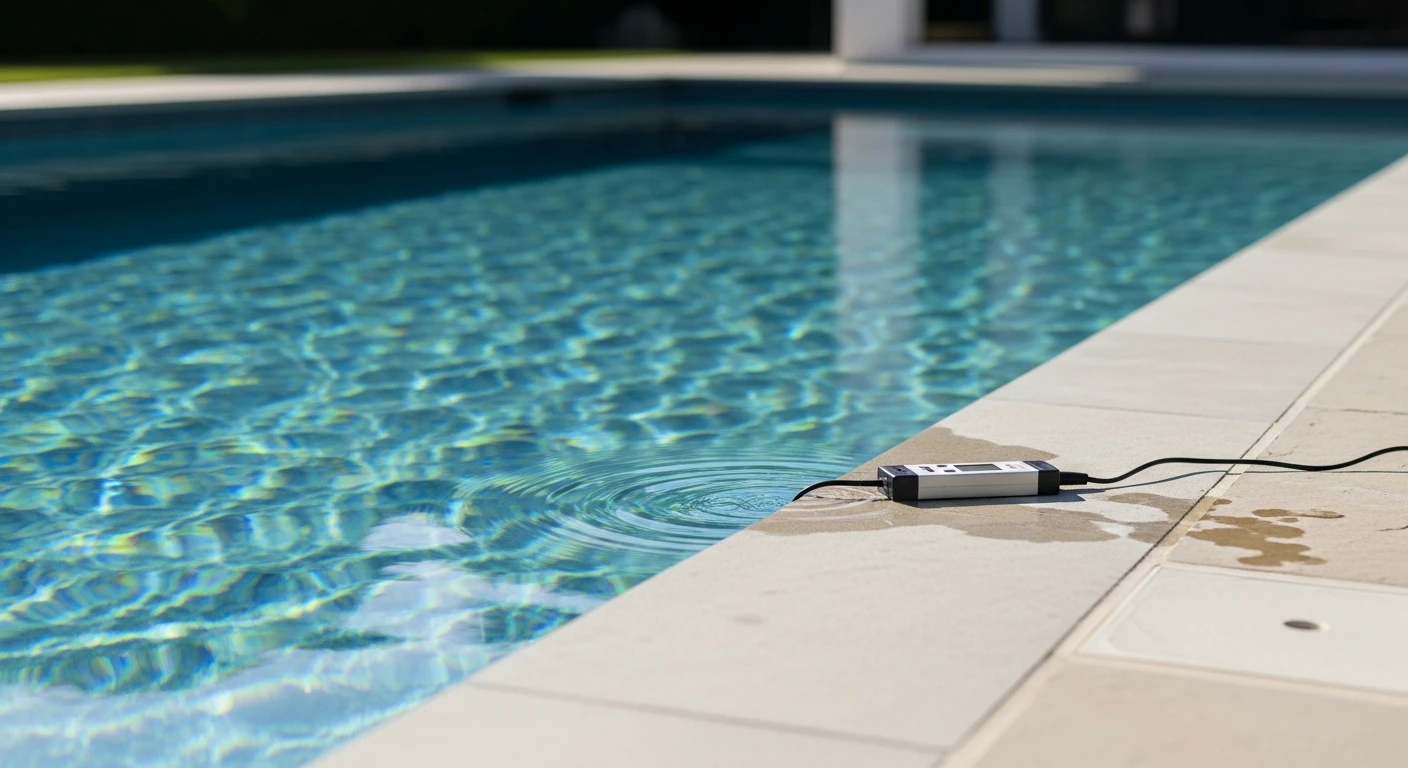
This is where my proprietary technique comes into play. Instead of just a standard geophone, I use a combination of hydrophones (underwater microphones) and a digital correlator. This Hydro-Acoustic Correlation Method allows me to listen to the distinct signature of water escaping a pipe under pressure, even deep beneath a concrete slab. The correlator analyzes the time delay of the sound reaching two separate points, triangulating the leak's location with extreme precision. This is how I can confidently tell a client the leak is "three feet from the skimmer mouth, under the third paver from the edge," rather than "somewhere in the skimmer line." Concurrently, I perform a Static Pressure Test, but with a critical difference. I isolate every single line—the skimmer, the main drain, each individual return jet, and the spa lines. I inject nitrogen (which has a more stable molecular structure than air) and use a digital manometer to measure pressure decay down to 1/10th of a PSI over a 15-minute interval. A line that cannot hold a stable 20 PSI is confirmed to have a breach. This meticulous isolation is the only way to be certain which specific line has failed.The Leak Isolation and Verification Sequence
Once the data points to a specific area or line, I follow a strict verification sequence. There are no assumptions. Each step must be completed and documented before proceeding to the next.- System Baseline Analysis: I first establish the precise rate of water loss over a 24-hour period with the system off to create a control metric.
- Suction Side Isolation: I plug the skimmers and main drain at the pool. If the water loss stops, the leak is confirmed to be on the suction side. This is often a cracked skimmer throat, a common issue in older Pinellas homes with original plaster.
- Return Side Isolation: If the loss continues, I plug the return lines at the pool wall. If the water loss now stops, the leak is confirmed to be on the pressure side plumbing.
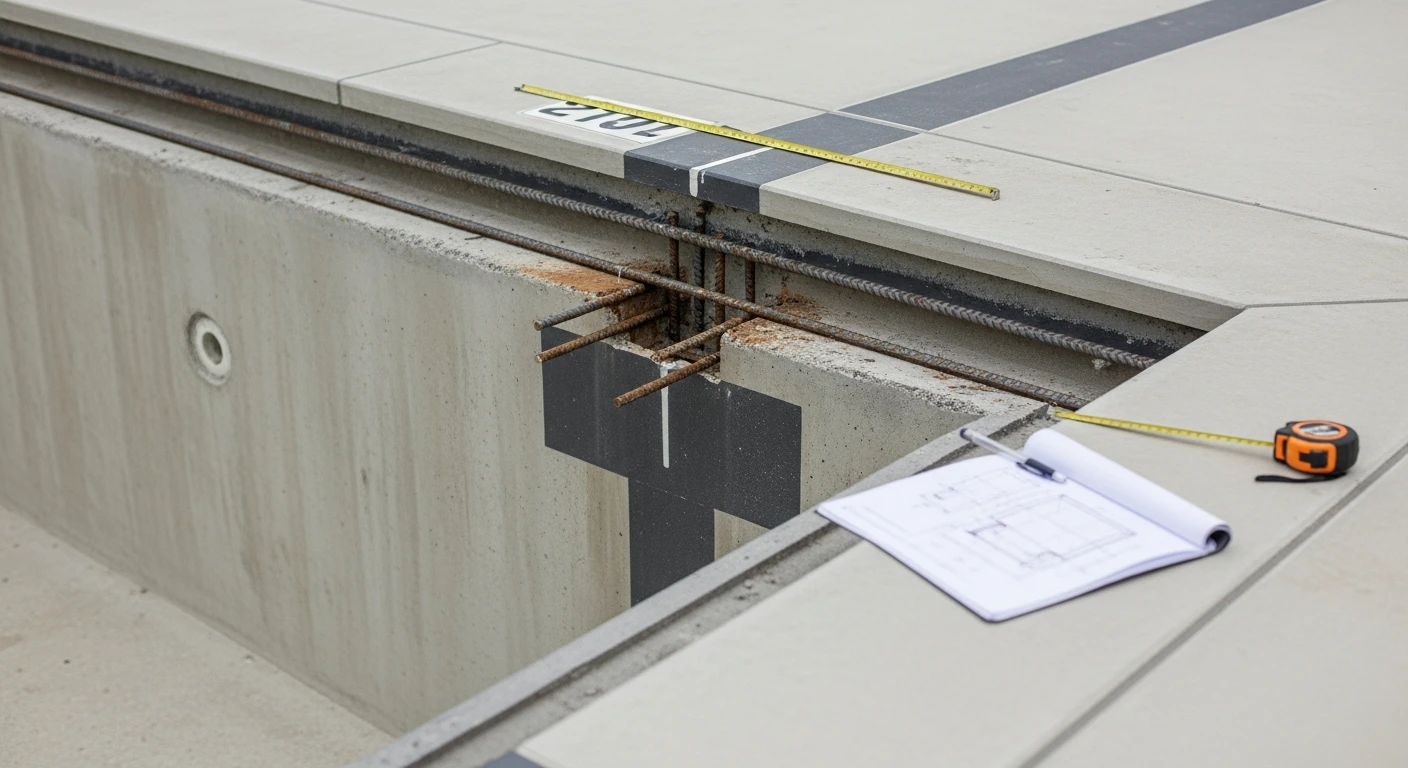
- Structural Shell Test: If the pool continues to lose water with all plumbing lines plugged, the leak is 100% structural. At this point, I use a high-resolution electronic scanner and dye injection to pinpoint faults in the tile line, light niches, or plaster.
- Pinpoint Confirmation: Using the hydro-acoustic data, I mark the precise spot on the deck or ground. This mark represents a "no-dig zone" around it, ensuring the repair is localized and minimally invasive, saving the homeowner from a complete deck renovation.
Confirming the Source: Cross-Verification and Structural Assessment
The final step is about absolute certainty. Before any repair recommendation is made, I cross-verify the findings. If the hydro-acoustic analysis points to a spot and the static pressure test confirms a leak in that corresponding line, I have a confirmed positive. My personal quality standard is to achieve a 99.8% accuracy rate before any excavation is authorized. For structural leaks, especially in pools built before 1990, I also perform a sounding test on the shell around the suspected area to check for delamination or hollow spots that indicate wider structural fatigue. This ensures my recommended repair addresses both the symptom (the leak) and the root cause (shell integrity). This entire process is designed to protect your property and investment. Finding a leak is easy; finding it with the surgical precision required to avoid thousands in unnecessary demolition is a craft. So, when your pool professional is testing your system, are they measuring pressure decay with a digital manometer or an analog gauge, and can they explain how that impacts the accuracy of diagnosing a slow, 1/8th PSI-per-hour leak?Written by

Tags
swimming pool leak detection
swimming pool leak repair
pool leak detection services near me
pool leak detection and repair
Pool Leak Detection Services in Pinellas FL FAQ
What is pool leak detection?
Pool leak detection is the process of identifying and locating leaks in pool systems to prevent water loss, damage, and potential health hazards. Our expert technicians use specialized equipment and techniques to detect even the smallest leaks, ensuring your pool is safe and efficient.
Why is pool leak detection important?
Pool leak detection is crucial to maintaining your pool's water quality, reducing water waste, and preventing costly repairs. Leaks can cause water loss, increase your water bill, and create an environment conducive to algae growth and bacterial contamination. Early detection and repair can save you time, money, and stress.
What are the common signs of a pool leak?
Common signs of a pool leak include: sudden changes in water level, increased water consumption, cloudy or green water, and unusual noises or vibrations. However, some leaks can be silent, requiring specialized detection methods to identify. Our technicians will assess your pool's condition and identify potential leaks.
How do you detect pool leaks?
We use a combination of methods to detect pool leaks, including: visual inspections, pressure testing, and specialized equipment such as leak detectors and underwater cameras. Our technicians are trained to identify subtle signs of leaks and will work with you to develop a customized detection plan.
What is the process for repairing pool leaks?
Once a leak is detected, our technicians will work with you to develop a repair plan. This may involve: replacing worn or damaged parts, repairing or replacing pipes, or applying specialized coatings to prevent future damage. We will ensure that all repairs are done efficiently and effectively to minimize downtime and disruption to your pool's operation.
How often should I have my pool inspected for leaks?
Regular inspections can help prevent costly repairs and ensure your pool remains safe and efficient. We recommend annual or bi-annual inspections, depending on your pool's usage and age. Additionally, if you notice any unusual changes in your pool's behavior or performance, schedule an inspection promptly to address any potential issues.
Do you offer emergency leak detection services?
Yes, we offer 24/7 emergency leak detection services to minimize downtime and disruption to your pool's operation. If you suspect a leak, contact us immediately, and we will send a trained technician to assess and repair the issue as quickly as possible.
What sets your pool leak detection services apart?
Our team of experienced technicians uses the latest technology and techniques to detect even the smallest leaks. We offer customized detection and repair plans, transparent pricing, and a commitment to customer satisfaction. Our goal is to provide you with peace of mind, knowing your pool is safe, efficient, and well-maintained.