Pinellas County Pool Safety Inspection: A Protocol to Pre-empt 95% of Common Failure Points
Passing a Pinellas County pool safety inspection isn't just about a checklist. It's about identifying systemic failures before they occur. My focus is on the two most overlooked areas for Pinellas homes: salt-air corrosion on self-closing mechanisms and verifying equipotential bonding continuity, which are the root causes of most inspection failures I see from Clearwater to St. Pete Beach. I developed my inspection methodology after realizing the standard state form doesn't account for the unique environmental stressors here. The constant humidity and salt spray accelerate degradation in ways that checklists designed for inland areas simply miss. A gate latch that works today might fail in six months, but the signs of that failure are already present if you know what to look for. This approach is about ensuring long-term safety, not just a one-time pass for an insurance certificate or property sale.My Barrier Integrity Protocol: A Beyond-the-Checklist Diagnosis
My proprietary methodology is the 3-Layer Barrier Integrity Protocol. Instead of just looking at individual components, I analyze the pool as three interconnected safety systems. A failure in one often compromises the others. This is a crucial distinction, especially in older waterfront properties in areas like Snell Isle or Tierra Verde, where multiple renovations can create hidden compliance gaps. I treat every inspection as a forensic analysis of the pool's safety history and current state.The Critical Failure Points: Gate Hardware and Suction Outlets
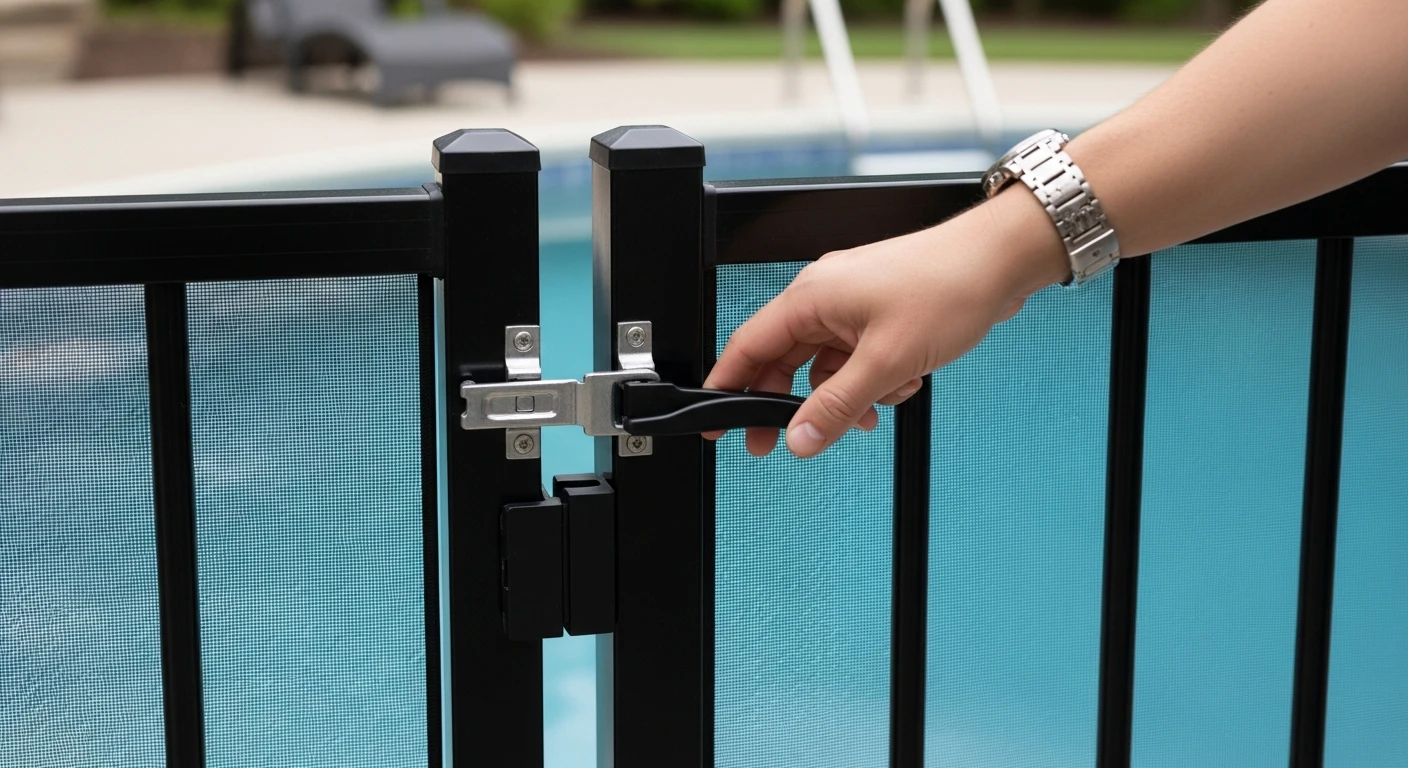
The first layer, the physical barrier, is the most frequent point of failure. I once inspected a beautiful home in Treasure Island where the gate looked fine, but a simple micrometer test on the latch pin showed 30% corrosion-induced wear, making it prone to failure under minimal pressure. Standard inspectors would just test if the gate latches; I measure the component's remaining lifespan. The Florida statute requires a self-closing, self-latching gate, but it doesn't specify the material's resistance to our local climate. That's a gap I fill. The second layer, the water barrier, centers on suction outlet compliance with the Virginia Graeme Baker (VGB) Act. This is non-negotiable. The biggest red flag I find is in homes built before 2008, where a single main drain is common. I identified a major liability in a rental property in Dunedin where a non-compliant, single-drain cover had been replaced with a newer, VGB-approved cover, but the underlying sump was not correctly sized. This creates a dangerous flow velocity issue that a visual check would miss. It requires physically verifying the sump dimensions and pump GPM rating against the drain cover's certification.A Step-by-Step Implementation for Guaranteed Compliance
I follow a rigid, sequential process to ensure nothing is overlooked. This isn't just a walkthrough; it's a diagnostic procedure. Homeowners can use this as a pre-inspection checklist to identify potential issues themselves.- Fence & Gate Integrity Audit: I measure the fence height at multiple points, ensuring it is a minimum of 48 inches from grade. I specifically test the tension of self-closing hinges and the engagement force of the latch. The gate must open outward, away from the pool.
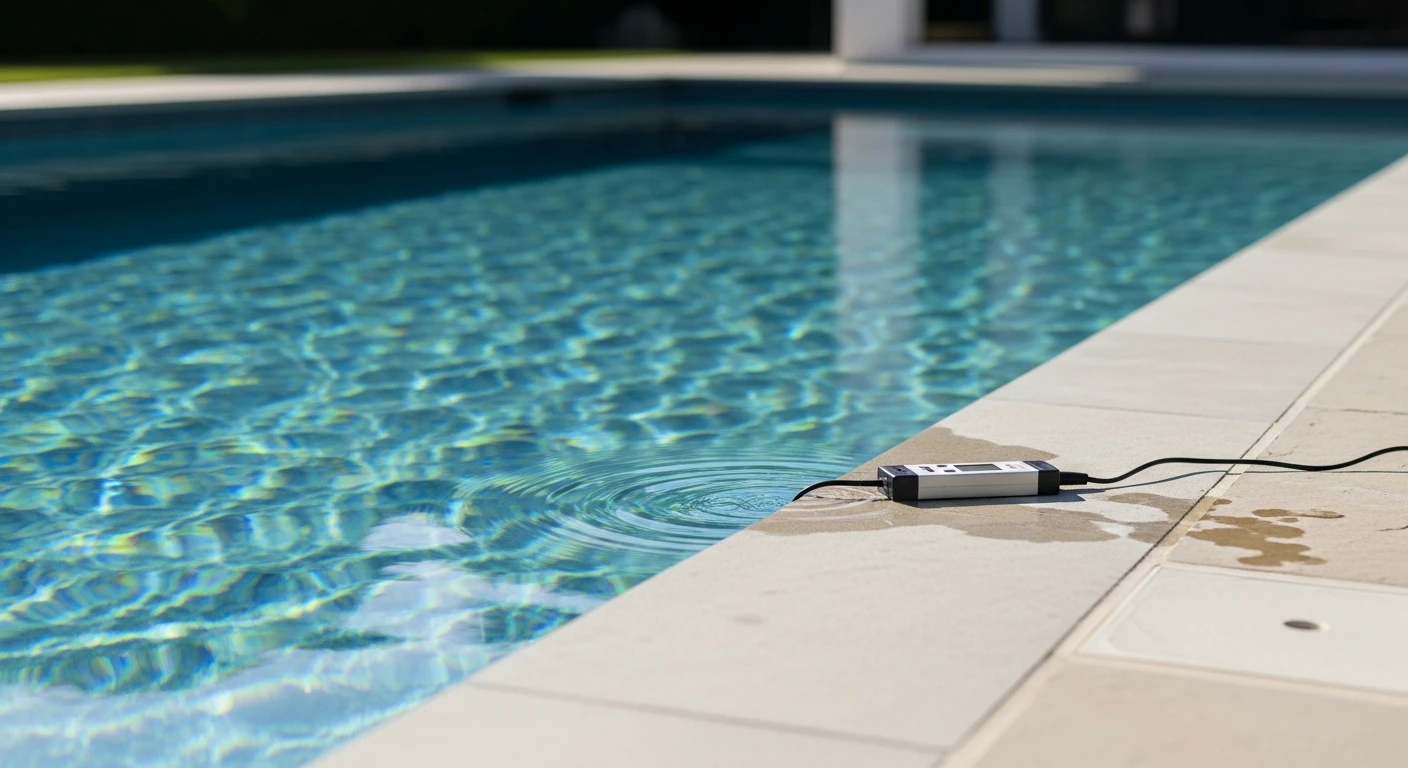
- VGB Suction Outlet Verification: I physically inspect every drain cover for the ASME/ANSI A112.19.8 stamp and a valid expiration date. For pools with a single main drain, I confirm the presence of a secondary safety system, like an SVRS (Safety Vacuum Release System), and test its function.
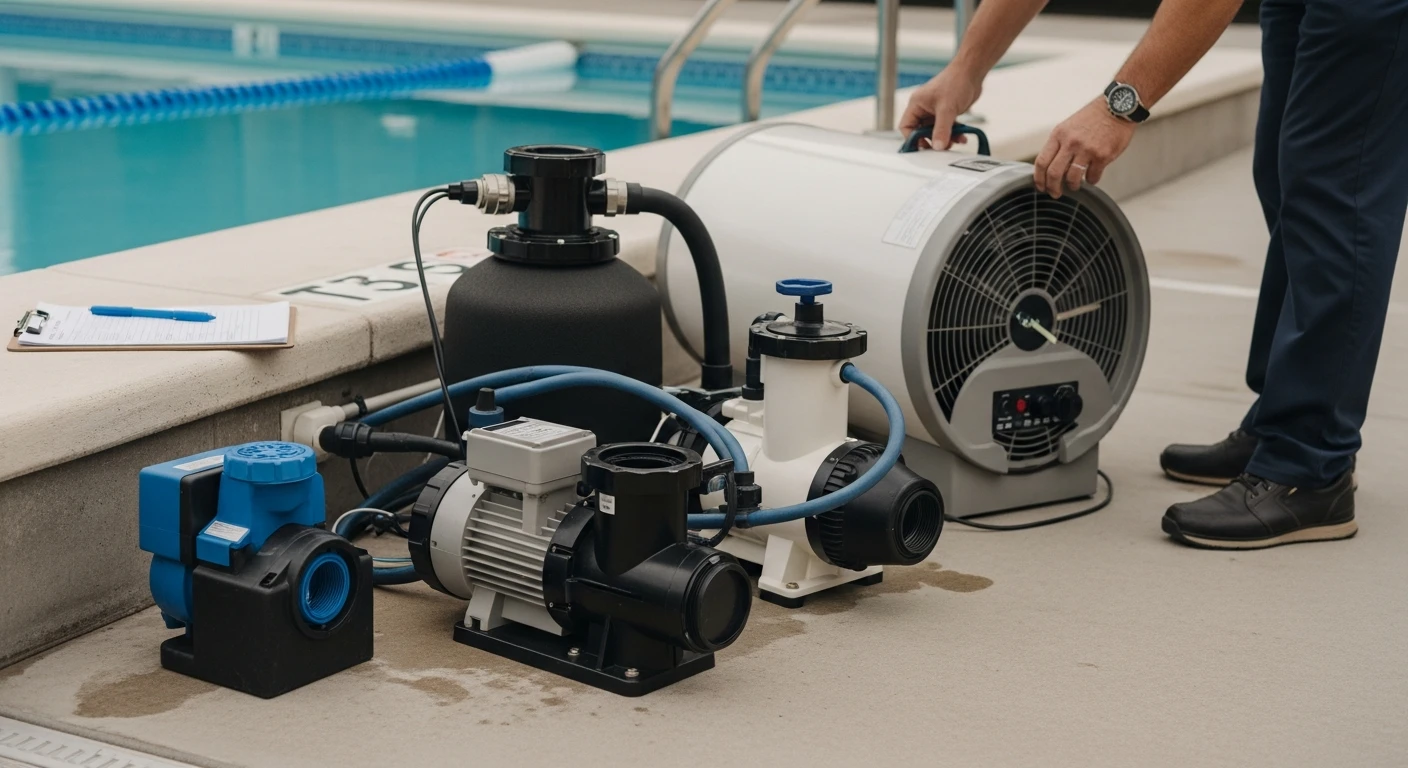
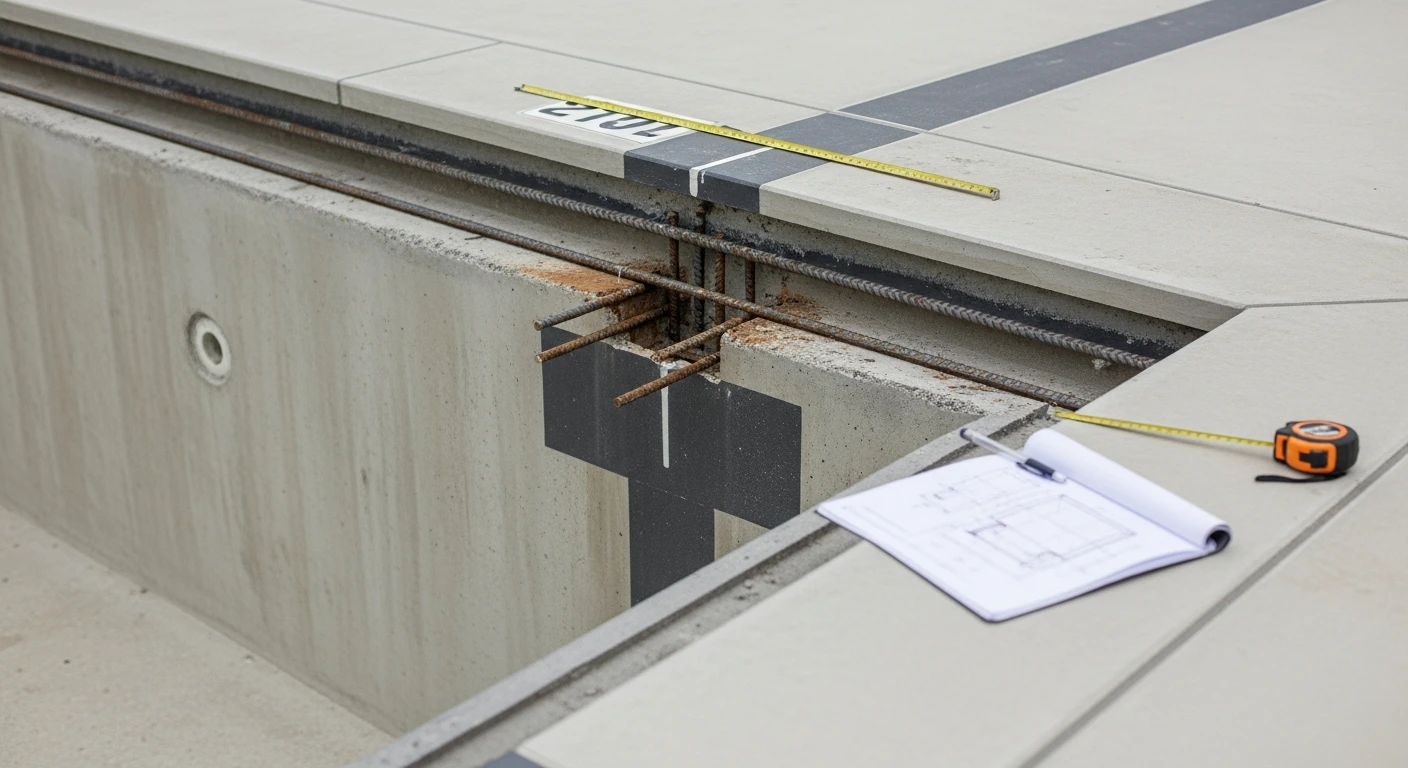
- Electrical Bonding & GFCI Test: This is a massive failure point. I use a multimeter to test for bonding continuity between the pump motor, heater, handrails, and the pool's rebar shell. Any reading above a few ohms indicates a corroded or broken bonding wire. I also manually trip every GFCI outlet associated with the pool equipment.
- Safety Equipment & Signage Check: I ensure all required signage is present and legible—a frequent problem due to UV degradation from the Florida sun. The presence of a 12-foot shepherd's hook and a lifebuoy with a rope is mandatory.
Precision Adjustments for the Pinellas Climate
Standard compliance is the baseline, but longevity in our environment requires higher standards. For any hardware replacements on properties east of US-19, and especially on the barrier islands, I exclusively recommend 316-grade stainless steel for all hinges, latches, and fasteners. While more expensive, it provides a 50% increase in corrosion resistance over the more common 304-grade. Furthermore, I advise homeowners to test their GFCI outlets monthly. The high humidity in Pinellas County can cause moisture intrusion and premature failure of these critical safety devices. For screen enclosures, I check not just the integrity of the screens but the anchoring bolts at the base. A loose enclosure from a past tropical storm can compromise the entire barrier system. Given the corrosive coastal environment, have you ever tested the millivolt drop across your pool's bonding grid to confirm its integrity, or are you just assuming the original installation is still effective?Written by

Tags
swimming pool inspection services near me
pool inspectors near me
leak detection pools
pool leak inspection
Pool Safety Inspection in Pinellas FL FAQ
What is the purpose of a pool safety inspection?
A pool safety inspection is a thorough examination of your pool and its surrounding area to identify any potential hazards or safety risks. Our trained professionals will assess your pool's equipment, fencing, and overall condition to ensure it meets local safety standards and regulations.
Why is a pool safety inspection important?
A pool safety inspection is crucial to prevent accidents, injuries, or even fatalities. Pools can be a breeding ground for hazards, and our inspections help identify and rectify potential issues before they become major problems.
What does a typical pool safety inspection involve?
Our comprehensive inspection includes a visual examination of your pool's equipment, fencing, and surrounding area. We check for issues such as cracks in the pool deck, faulty pool pumps, and inadequate fencing. We also assess the condition of pool gates, latches, and alarms.
How often should I have my pool inspected?
It's recommended to have your pool inspected annually, or more frequently if you notice any signs of wear and tear or changes in your pool's condition. Regular inspections can help prevent minor issues from becoming major problems.
What are some common pool safety hazards I should be aware of?
Some common pool safety hazards include: inadequate fencing, faulty pool gates and latches, loose or broken pool steps, and poor lighting. Additionally, pool chemicals, sharp objects, and slippery surfaces can also pose a risk to pool users.
Can I perform my own pool safety inspection?
While it's possible to perform a basic visual inspection, it's recommended to hire a professional pool safety inspector who has the necessary training and expertise to identify potential hazards. Our inspectors are certified and experienced in pool safety and can provide you with a comprehensive report and recommendations for improvement.
What are the benefits of hiring a professional pool safety inspector?
Our professional inspectors offer a range of benefits, including: a thorough and comprehensive inspection, expert recommendations for improvement, and peace of mind knowing your pool is safe for use. We also provide a detailed report and certification, which may be required by local authorities or insurance companies.
How do I schedule a pool safety inspection with your company?
To schedule a pool safety inspection, simply contact our office and provide us with your pool's details, including its location and any specific concerns you may have. We'll assign a certified inspector to your pool and provide you with a convenient appointment time.