Lee County Pool Safety Inspection: My Pre-Failure Diagnostic Protocol to Pass the First Time
After conducting hundreds of pool safety inspections across Lee County, from the waterfront homes in Cape Coral to the family neighborhoods in Fort Myers, I’ve identified a pattern. Most failures aren't due to major structural defects but from a handful of overlooked components that degrade under our specific Florida climate. The intense sun, high humidity, and salty air create a unique environment that standard checklists often miss, leading to failed inspections and costly re-scheduling fees. My approach is built on pre-failure diagnostics. I don't just check for compliance; I identify components that are technically passing *now* but are on the verge of failure. This method is designed to get you a passing certificate on the first attempt by addressing the subtle issues an inspector is trained to spot, but a homeowner typically misses. This is especially critical for rental properties, where a failed inspection can disrupt bookings and revenue.My Proprietary 4-Point Barrier Integrity Analysis
Before I even look at the pool equipment, my entire focus is on the four critical barriers that prevent accidents. This is where over 80% of inspection failures occur in Lee County. I developed this 4-point system after noticing inspectors consistently targeting the same weak points in lanais and perimeter fences common in our area.Beyond the Clipboard: Identifying Sub-Surface Failures
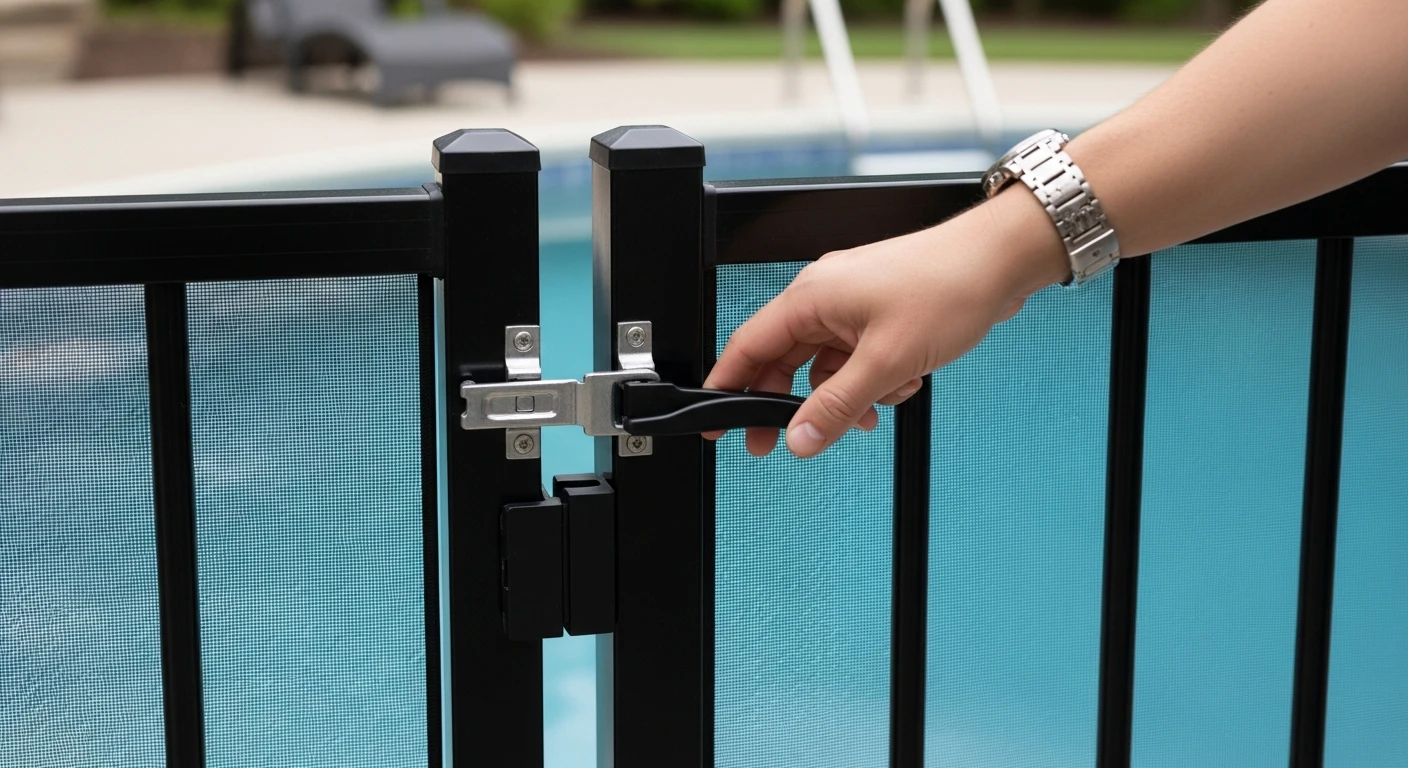
A standard check involves seeing if a gate closes. My technical analysis goes deeper. For instance, on a self-latching gate, I don't just check if it latches; I perform an audible and tactile test. I listen for the crisp, high-pitched *click* of a healthy spring mechanism. A dull thud often indicates internal corrosion or a fatigued spring, a guaranteed failure within months. I’ve seen this exact issue on a large project in a Sanibel community, where all 15 pool gates passed a visual check but failed the inspector's more rigorous physical test a week later. Another hidden failure point is the pool enclosure itself. In Lee County, the screws and fasteners at the base of aluminum lanais are constantly exposed to moisture from rain and pool splash. I use a torque-check method on several ground-level fasteners. If I find even minor "spin"—where the screw turns but doesn't tighten—it signals advanced galvanic corrosion in the anchor, compromising the entire structure's integrity against high winds. Furthermore, for drain covers, I look beyond basic VGBA compliance. I run my hand over the plastic, feeling for micro-fissures caused by UV degradation, which can lead to catastrophic failure under pressure.The Pre-Inspection Checklist I Use Before Every Lee County Project
I perform these steps systematically to ensure nothing is missed. This isn't just a list; it's a sequence designed to identify cascading failures.- Gate Mechanism Test: Open the gate to varying degrees (10, 45, and 90 degrees) and release it. It must self-close and self-latch positively from every position. Any hesitation or failure to fully latch is an immediate red flag.
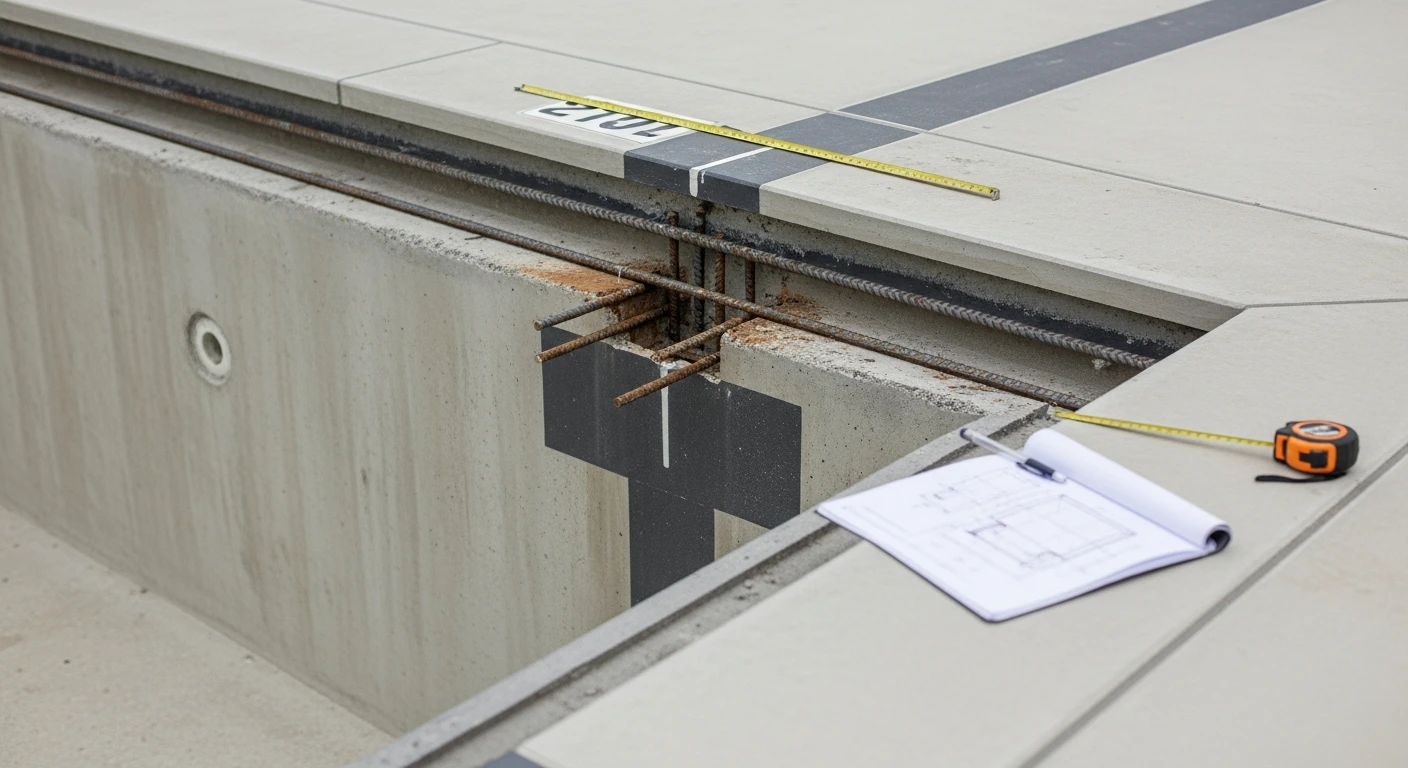
- Barrier Height and Spacing Verification: I use a calibrated measuring tool to ensure the fence is a minimum of 48 inches high. Crucially, I check the spacing between vertical pickets; it must be less than 4 inches. For chain-link fences, the mesh size must not exceed 2.25 inches.
- Enclosure & Door Alarms: For any doors or windows leading directly to the pool area, I physically test the alarm mechanism. The alarm must sound within 7 seconds of the door opening and be audible throughout the house. A common failure I find is a dead battery or a corroded sensor contact due to our humidity.
- Drain Cover Integrity Check: I visually inspect the manufacturer's expiration date on all anti-entrapment drain covers. I then physically verify the cover is secured with the correct, non-corroded screws. A single missing screw is an automatic failure.
- Electrical GFI Test: I press the "Test" and "Reset" buttons on all GFI outlets for pumps and lighting. More importantly, I check the GFI housing for any signs of water intrusion or discoloration, a common problem after our heavy summer rains.
Calibrating for Longevity: Post-Inspection Hardening
Passing the inspection is one thing; ensuring the safety systems remain robust is another. For my clients, especially those with properties exposed to saltwater air, I recommend proactive upgrades. One of my signature recommendations is replacing standard steel fasteners on lanais and gate hinges with 316 stainless steel hardware. This simple change can add an estimated 5-7 years to the structural integrity of the barrier and prevent premature corrosion-related failures. I also advise applying a marine-grade silicone sealant around the base of the GFI outlet cover to provide a superior moisture barrier, a small adjustment that prevents nuisance trips and electrical hazards. Ultimately, is your pool's primary gate latch mechanism designed to withstand 3,000+ cycles a year in a high-humidity, salt-air environment without losing tension?Written by

Tags
swimming pool inspection services near me
pool inspectors near me
leak detection pools
pool leak inspection
Pool Safety Inspection in Lee FL FAQ
What is the purpose of a pool safety inspection?
A pool safety inspection is a thorough examination of your pool and its surrounding area to identify any potential hazards or safety risks. Our trained professionals will assess your pool's equipment, fencing, and overall condition to ensure it meets local safety standards and regulations.
Why is a pool safety inspection important?
A pool safety inspection is crucial to prevent accidents, injuries, or even fatalities. Pools can be a breeding ground for hazards, and our inspections help identify and rectify potential issues before they become major problems.
What does a typical pool safety inspection involve?
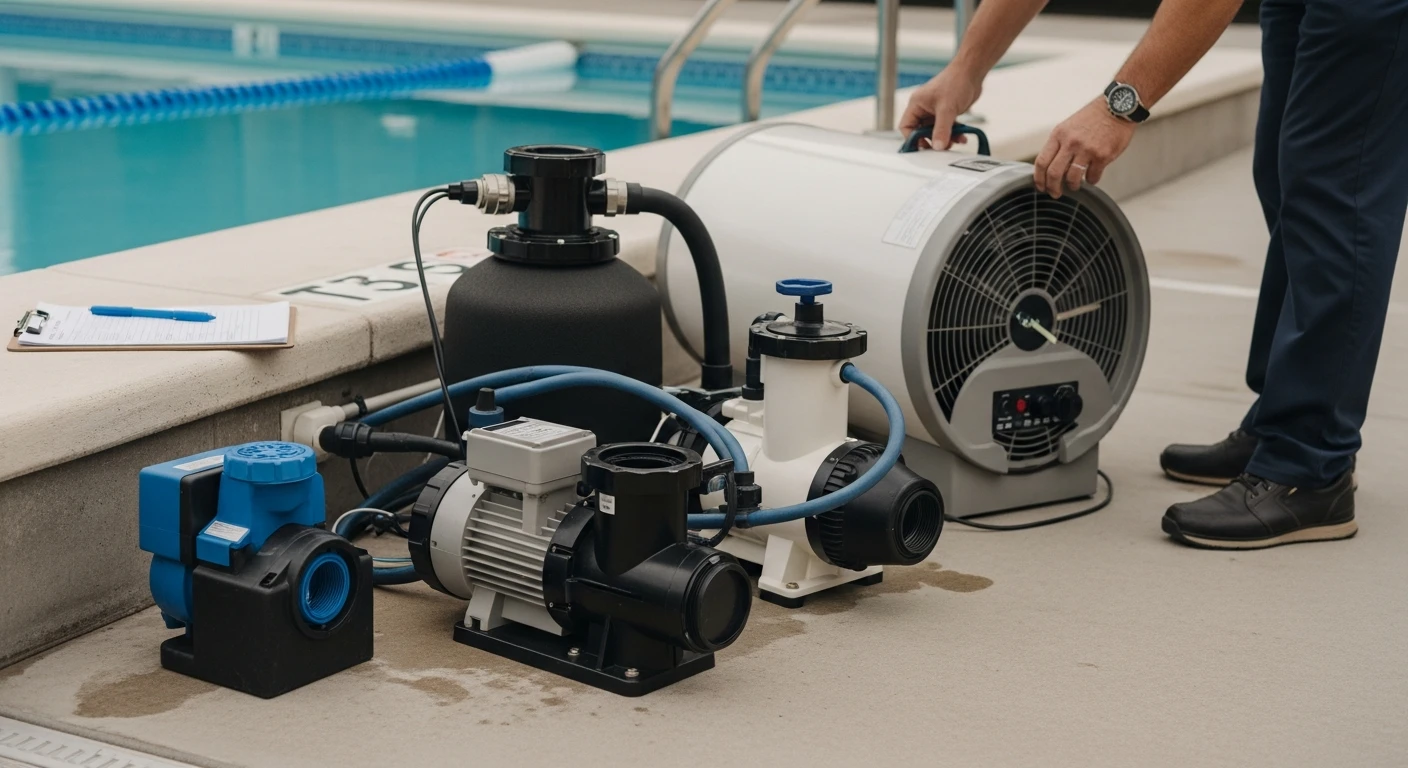
Our comprehensive inspection includes a visual examination of your pool's equipment, fencing, and surrounding area. We check for issues such as cracks in the pool deck, faulty pool pumps, and inadequate fencing. We also assess the condition of pool gates, latches, and alarms.
How often should I have my pool inspected?
It's recommended to have your pool inspected annually, or more frequently if you notice any signs of wear and tear or changes in your pool's condition. Regular inspections can help prevent minor issues from becoming major problems.
What are some common pool safety hazards I should be aware of?
Some common pool safety hazards include: inadequate fencing, faulty pool gates and latches, loose or broken pool steps, and poor lighting. Additionally, pool chemicals, sharp objects, and slippery surfaces can also pose a risk to pool users.
Can I perform my own pool safety inspection?
While it's possible to perform a basic visual inspection, it's recommended to hire a professional pool safety inspector who has the necessary training and expertise to identify potential hazards. Our inspectors are certified and experienced in pool safety and can provide you with a comprehensive report and recommendations for improvement.
What are the benefits of hiring a professional pool safety inspector?
Our professional inspectors offer a range of benefits, including: a thorough and comprehensive inspection, expert recommendations for improvement, and peace of mind knowing your pool is safe for use. We also provide a detailed report and certification, which may be required by local authorities or insurance companies.
How do I schedule a pool safety inspection with your company?
To schedule a pool safety inspection, simply contact our office and provide us with your pool's details, including its location and any specific concerns you may have. We'll assign a certified inspector to your pool and provide you with a convenient appointment time.