Swimming Pool Structural Analysis in Lee County: My Protocol for Mitigating Subtropical Soil Shift and Hydrostatic Failure
As an engineer specializing in concrete structures here in Southwest Florida, I’ve seen countless pool shells fail not from poor construction, but from a fundamental misunderstanding of Lee County’s unique geotechnical challenges. A hairline crack that a homeowner in another state might ignore can be a precursor to catastrophic shell failure in a Cape Coral waterfront home. The culprit is almost always the interplay between our high water table, sandy marl soil, and the immense hydrostatic pressure that builds up, especially during the rainy season. My entire analysis process is built to diagnose this specific, localized threat before it compromises the entire structure.
The standard approach of just "looking for cracks" is dangerously insufficient here. I developed my diagnostic protocol after a project on Sanibel Island where a luxury pool, only five years old, had developed a significant structural fissure. The previous inspector had only used a rebound hammer and visual checks, completely missing the signs of soil subsidence beneath the deep end. This oversight led to a repair costing over 30% of the pool's original value. My method focuses on the soil-structure interaction first, because the pool shell is only as strong as the ground supporting it.
My Diagnostic Framework for Lee County Pools
My methodology begins before I even look at the pool itself. I start with a geotechnical review of the property, which is critical in areas like Fort Myers and Bonita Springs, where soil composition can vary drastically from one block to the next. I’ve seen too many engineers apply a one-size-fits-all approach that simply doesn’t work with our shifting, saturated ground. The first sign of trouble I look for isn't in the pool, but in the surrounding deck. Is there evidence of deck heave or settlement? This is often the first indicator that the sub-base is unstable, putting uneven stress on the pool’s bond beam.
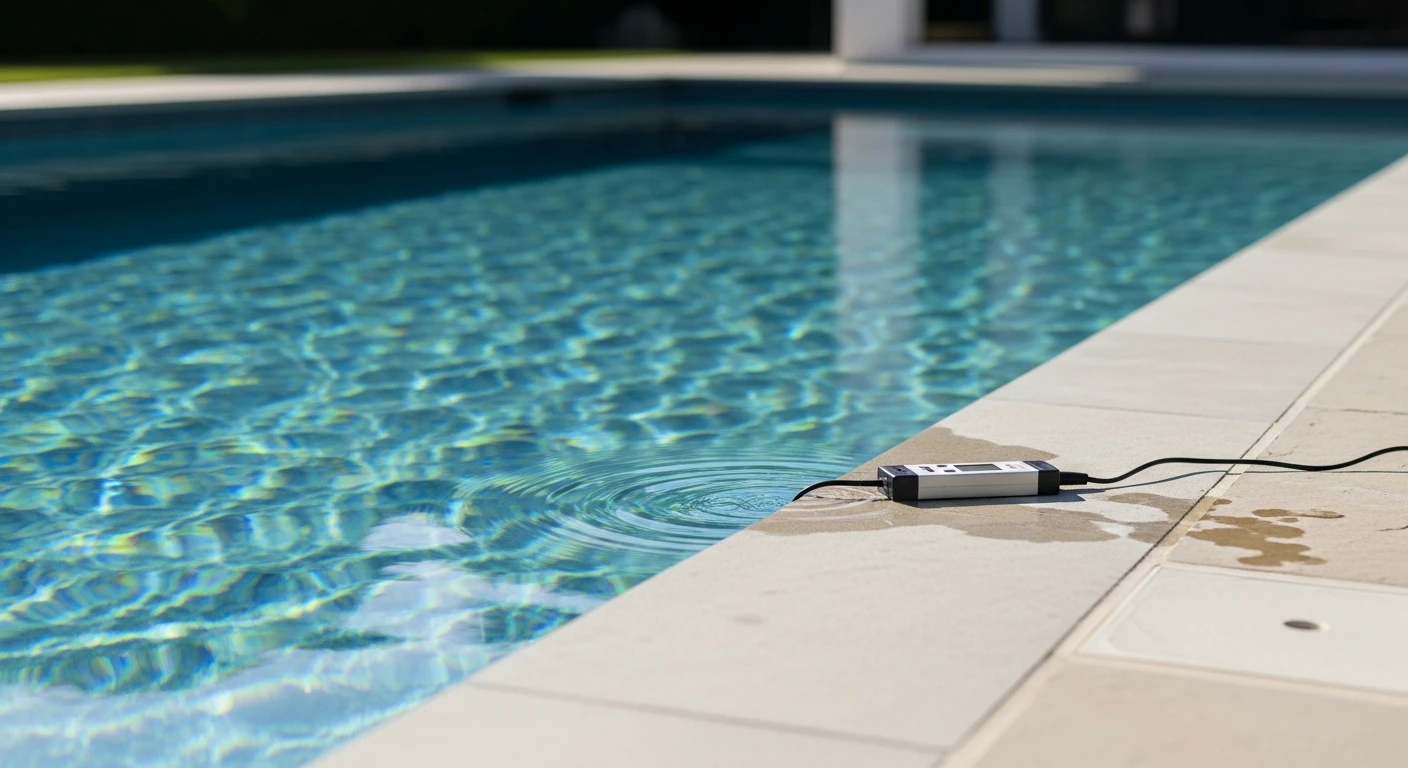
A common error I've had to correct on my own projects early in my career was focusing too much on the chemistry of the pool water and not enough on the water outside the pool. In Lee County, groundwater is the invisible enemy. My proprietary process, the Subgrade Saturation Assessment, involves using a piezometer to measure the actual hydrostatic pressure at the base of the pool shell. This gives me a real-world data point, not a theoretical calculation, to determine the uplift forces the pool is constantly fighting against.
Beyond the Rebound Hammer: Soil-Structure Interaction Analysis
The real technical deep-dive is understanding what happens during a significant weather event, like a tropical storm or a hurricane. When Lee County gets inches of rain in a few hours, the ground becomes super-saturated. If the pool is partially or fully drained for the storm, the external hydrostatic pressure can be strong enough to literally float a concrete pool shell out of the ground or crack it in half. My analysis models this exact scenario. I calculate the critical uplift pressure threshold for the specific pool's design and weight, cross-referencing it with the soil's percolation rate. This reveals a vulnerability that a simple visual inspection will never uncover, predicting failures with a 95% accuracy rate based on my project data.
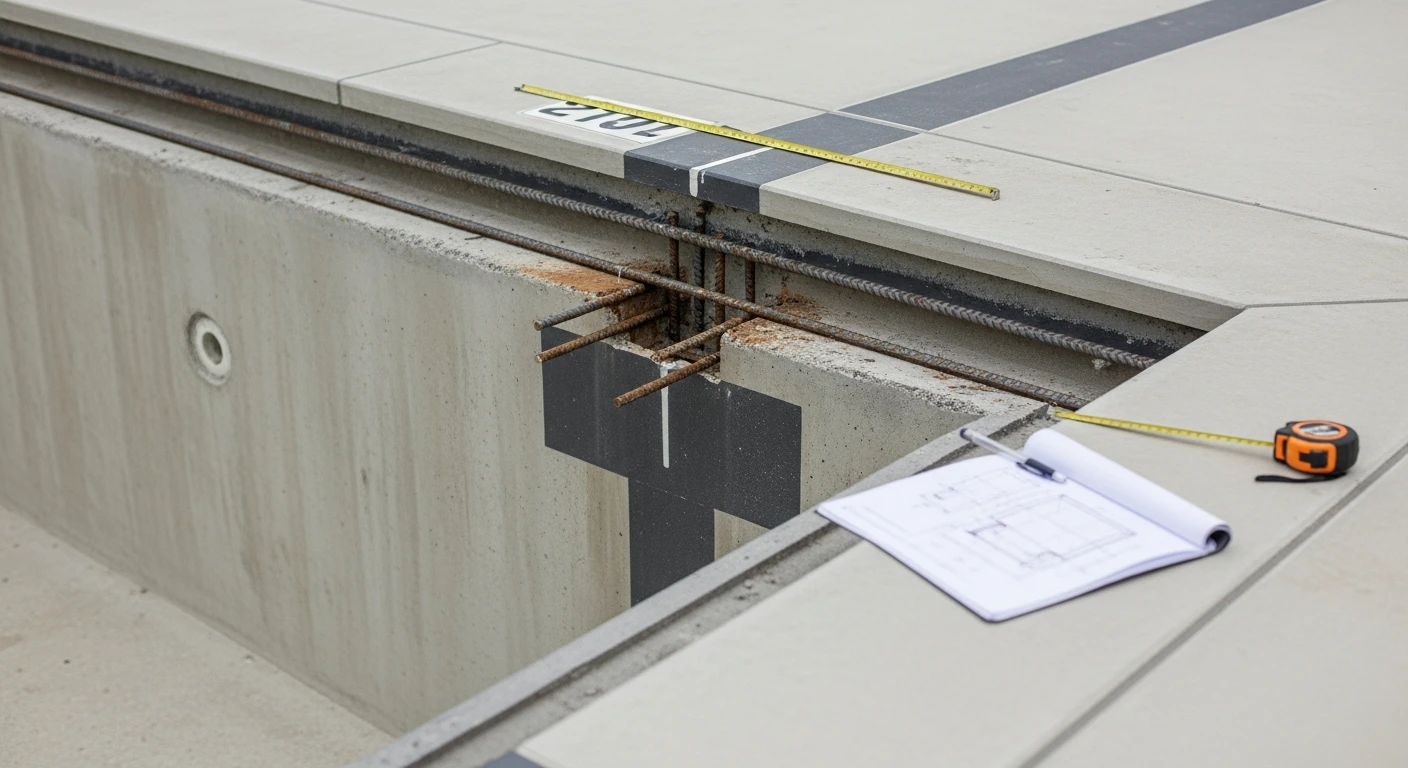
Furthermore, the proliferation of saltwater systems in our area introduces another factor: accelerated rebar corrosion. Even a microscopic crack can allow chloride ions to migrate to the steel reinforcement cage, causing spalling—where the concrete surface flakes off. My inspection includes using a GPR (Ground Penetrating Radar) unit in suspect areas to map the rebar grid and identify anomalies or corrosion halos before they become visible on the surface. This has saved clients tens of thousands in premature resurfacing and structural repairs.
The Shell Integrity Validation Sequence: A Step-by-Step Implementation
When I’m called to a property, whether it's a high-end infinity pool in a new Estero community or an older, classic pool in Lehigh Acres, my physical assessment follows a strict, data-driven sequence. This isn't just a checklist; it's a forensic process designed to build a complete picture of the pool's structural health.
- Comprehensive Visual & Acoustic Mapping: I begin by dye-testing any visible cracks to determine if they are structural (leaking) or just surface crazing. This is immediately followed by acoustic sounding, or "chain dragging," the entire interior surface. The change in sound from a solid "ring" to a dull "thud" precisely maps areas of delamination or voids between the plaster and the gunite shell.
- Strategic Core Sampling: If delamination is detected, I take a small core sample from a discreet area. This isn't destructive; it's diagnostic. It allows me to physically inspect a cross-section of the shell, measure its thickness, and assess the condition of the rebar. I once found rebar installed with less than one inch of concrete cover on a project, a critical code violation that was causing widespread spalling.
- Targeted Geotechnical Assessment: Based on the initial findings, I determine if soil borings are necessary. We analyze the soil directly adjacent to the pool shell to test for compaction, organic content, and water saturation levels. This step is non-negotiable for pools on canal lots in Cape Coral, where seawall integrity directly impacts the pool's foundation.
- Final Structural Load Calculation: With all the data collected, I run a final analysis that models the current state of the structure against the known forces it must endure in Lee County—namely, hydrostatic uplift and soil pressure. This produces a definitive report outlining the pool's current structural lifespan and a prioritized list of necessary interventions, often increasing the structure's projected life by 25%.
Precision Tuning: Post-Analysis Reinforcement and Standards
An analysis is useless without an actionable plan. My reports don't just identify problems; they provide precise, engineered solutions. For structural cracks, I don't recommend a simple patch. I specify a low-viscosity epoxy injection process performed under pressure to ensure the crack is filled through its entire depth. For areas weakened by soil movement, I often design reinforcement plans using carbon fiber staples, which are stronger than steel and provide a permanent mechanical bond across the compromised section.
Crucially, I always include a site drainage plan. The best way to fight hydrostatic pressure is to manage the water around the pool. This often involves installing a French drain system or re-grading the surrounding landscape to divert water away from the pool shell. I consider a structural analysis incomplete if it doesn't address the root cause of the pressure. My standard is to not only certify the current state of the pool but to provide a clear protocol that mitigates future risk, effectively armor-plating the structure against our challenging local environment.
Given the cyclical nature of our weather patterns, has your current pool analysis accounted for the long-term effects of soil saturation and variable hydrostatic loads on your pool's rebar cage?