Swimming Pool Structural Analysis: A Protocol to Mitigate Hydrostatic Uplift Failure in Osceola County
After personally overseeing dozens of pool failure analyses in Osceola County, from luxury homes in Celebration to older properties in St. Cloud, I've pinpointed a critical flaw in standard assessments: they ignore the single greatest threat to our local pools. The combination of a high water table and porous, sandy soil creates immense hydrostatic pressure, a force powerful enough to crack a concrete shell or even lift it out of the ground. A simple visual inspection for cracks is dangerously insufficient here; it’s like checking a roof for leaks but ignoring the foundation it sits on. My approach bypasses these superficial checks to focus directly on the root causes of structural failure specific to our region. I've developed a methodology that quantifies the risk of hydrostatic and soil-based stress before it leads to a catastrophic failure, which I've seen happen after a single heavy rainy season in Kissimmee. This isn't about patching cracks; it's about diagnosing the invisible forces trying to break your pool apart from the outside in.My Diagnostic Protocol for Osceola's Challenging Soil Conditions
The standard industry practice is to look for visible damage—hairline cracks, tile loss, or deck settling—and then react. This is a losing game in Osceola County. I reversed this process. My proprietary methodology, the Hydro-Soil Stress Triangulation, is a proactive diagnostic framework. I don't start at the pool shell; I start with the ground it's built in. On a large residential project near Reunion, a client was quoted for a simple resurfacing when my analysis revealed the real issue was differential settlement, causing the shell to flex. The "cosmetic" cracks were early warnings of a pending beam fracture. Patching them would have been a complete waste of money.Deconstructing the Hydro-Soil Stress Triangulation Method
This method is built on three core analytical pillars that directly address our local environmental stresses.- Hydrostatic Pressure Mapping: I don't guess. I correlate the pool's depth with historical water table data for the specific area. A pool drained for maintenance during our wet season (May-October) is under extreme risk. I analyze the functionality and placement of the pool's hydrostatic relief valve—a component I find is either missing or seized in over 50% of pools older than 10 years in this county.
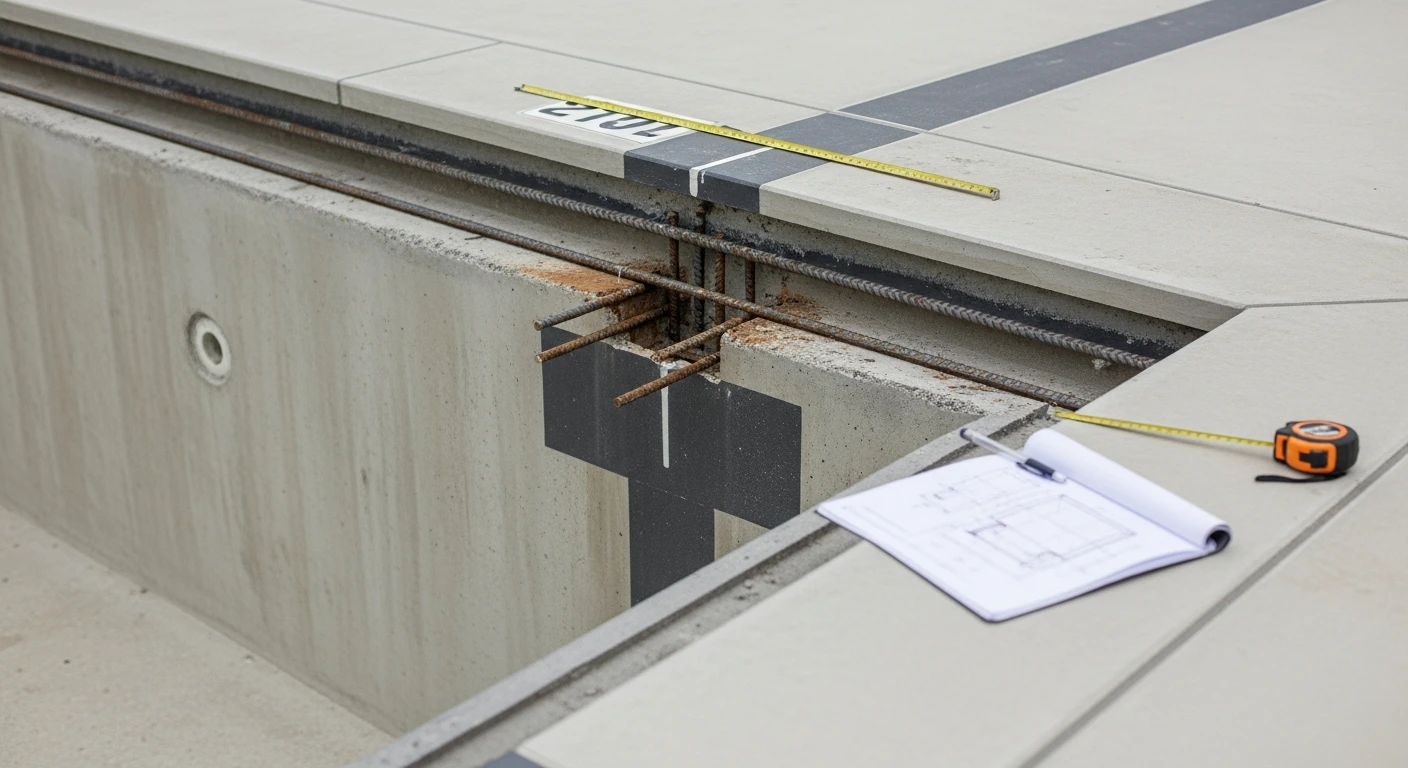
- Soil Settlement & Compaction Audit: Osceola's sandy soil shifts. I use a precision digital level to map the entire pool deck and coping beam. A deviation of more than 1/4 inch over 10 feet often indicates that the soil sub-base was inadequately compacted during construction. This puts immense torsional stress on the pool's rigid structure, leading to classic structural shear cracks.
- Rebar Corrosion & Delamination Detection: The high humidity here is brutal on the steel rebar inside the concrete shell. I look for the tell-tale signs of rust bleed or spalling. I also perform an acoustic sounding test, systematically tapping the pool shell to listen for hollow sounds. These dead zones indicate plaster delamination, a sign that water is seeping behind the finish and attacking the core structure.
The On-Site Implementation Framework
When I arrive at a property, my analysis is systematic and follows a strict sequence to ensure no data is missed. This isn't a quick visual glance; it's a forensic investigation into the health of your pool.- Initial Site Survey and Drainage Assessment: Before I even look at the pool, I examine the property's grading and drainage. Poor runoff management, common in the flatter areas of Kissimmee, leads to oversaturated soil around the pool shell, dramatically increasing lateral soil pressure.
- Non-Invasive Shell Integrity Testing: This involves a high-contrast dye test. I release a small amount of dye near suspected cracks with the pump off. If the dye is drawn into the crack, it confirms an active leak. This is followed by my acoustic sounding protocol across the entire surface.
- Core Component Inspection: I conduct a detailed inspection of the skimmer throat, return lines, and main drain. Cracks originating from these points are often misdiagnosed. A fracture at the skimmer throat, for example, is rarely a skimmer issue; it’s a symptom of the deck and pool shell moving independently.
- Data Synthesis and Risk Stratification: Finally, I compile all the data—soil conditions, water table risk, visual damage, and acoustic findings—to create a Structural Risk Score. This tells the homeowner not just what's wrong, but the probability of escalating failure within the next 12-24 months.
Precision Adjustments and Long-Term Integrity Standards
A successful analysis leads to a precise repair plan. For pools at high risk of hydrostatic pressure, I mandate the installation or replacement of a functional hydrostatic relief valve. For issues related to soil settlement, the solution isn't just patching the concrete; it often involves injecting polyurethane foam deep into the sub-base to re-level the deck and stabilize the soil. This deep foam injection technique provides a stable foundation, effectively neutralizing the root cause of the problem. Following these protocols can increase the structural lifespan of a pool in our challenging climate by a conservative 25%. So, when you see a crack in your pool, is your first thought about the material it's made of, or have you considered the pressure per square inch being exerted by Osceola County's groundwater table against the outside of your pool shell?Written by

Tags
indoor swimming pool buildings
outdoor pool buildings
swimming pool structural
outdoor swimming pool buildings
Swimming Pool Structural Analysis in Osceola FL FAQ
What is swimming pool structural analysis?
Swimming pool structural analysis is a service that involves a comprehensive examination of a pool's structure to identify potential issues and ensure its safety and integrity. Our experts use advanced software and techniques to assess the pool's design, materials, and construction, as well as its foundation, walls, and floor. This analysis helps pool owners and operators identify and address potential problems before they become major issues.
Why is swimming pool structural analysis important?
Swimming pool structural analysis is crucial for ensuring the safety and longevity of a pool. A structurally sound pool is essential for preventing accidents, reducing maintenance costs, and extending the pool's lifespan. By identifying potential issues early on, pool owners and operators can take proactive measures to address them, ensuring a safe and enjoyable swimming experience for users.
What types of issues can swimming pool structural analysis identify?
Swimming pool structural analysis can identify a wide range of potential issues, including cracks, leaks, and settlement problems in the foundation or walls. It can also detect issues with the pool's drainage system, as well as any structural damage caused by weathering, erosion, or other environmental factors. Our experts will identify any issues and provide recommendations for repair or replacement.
What is the process for conducting swimming pool structural analysis?
Our team of experts will conduct a comprehensive on-site inspection of the pool, including a visual examination of the pool's structure, foundation, and surrounding area. We will also use specialized equipment, such as ground-penetrating radar and thermal imaging, to gather additional information. After the inspection, we will provide a detailed report outlining our findings and recommendations for any necessary repairs or maintenance.
What are the benefits of hiring a professional for swimming pool structural analysis?
By hiring a professional for swimming pool structural analysis, pool owners and operators can ensure that their pool is safe and structurally sound. Our experts have the training, expertise, and specialized equipment necessary to identify and address potential issues, reducing the risk of accidents and extending the pool's lifespan. Additionally, our analysis can help pool owners and operators save money by identifying and addressing issues early on, rather than waiting for major problems to develop.
How often should a swimming pool undergo structural analysis?
The frequency of swimming pool structural analysis depends on a variety of factors, including the pool's age, usage, and environmental conditions. As a general rule, it's recommended that pools undergo structural analysis every 5-10 years, or more frequently if the pool is used heavily or is located in an area prone to natural disasters. Our experts can provide customized recommendations for your specific pool.
What are the next steps after swimming pool structural analysis?
After our team has conducted the swimming pool structural analysis, we will provide a detailed report outlining our findings and recommendations for any necessary repairs or maintenance. We will also work with you to develop a plan for addressing any issues identified, including scheduling and budgeting for any necessary work. Our goal is to ensure that your pool is safe, structurally sound, and enjoyable for years to come.