Osceola County Technical Evaluation: My Framework for Detecting Pre-Failure Stress in Concrete Block Structures
In my years conducting technical evaluations across Osceola County, I’ve found that most significant property failures don't happen overnight. They broadcast subtle warnings, often misinterpreted as simple aging. A standard checklist evaluation misses these critical signals, especially in our unique subtropical climate. I developed my proprietary diagnostic framework specifically to identify these pre-failure indicators, a process that once saved a client in Kissimmee from a potential $30,000 foundation repair by catching hydrostatic pressure stress before it caused a catastrophic shear crack. This isn't about just checking boxes; it's about understanding the physics of how Osceola's heat, humidity, and sandy soil wage a constant war on our buildings. From the newer developments in Celebration to the older single-family homes in St. Cloud, the failure points are predictable if you know precisely where—and how—to look. My approach focuses on quantifying the cumulative stress on a structure's core components before they reach a critical threshold.The Subtropic Stress Triad: My Diagnostic Protocol for Osceola Properties
I've learned that virtually every major structural or system issue in this region can be traced back to one of three primary stressors, which I call the "Subtropic Stress Triad." Ignoring the interplay between these three is the single biggest mistake I see in generic property inspections. My evaluation begins by assessing the load each factor places on the specific property. The triad consists of:- Constant Hydrostatic Pressure: The high water table and frequent, heavy rains in areas like Poinciana exert relentless inward and upward pressure on slab foundations and block walls. I’ve seen perfectly good-looking homes with significant moisture wicking halfway up the first-floor walls, detectable only with specific instruments.
- Aggressive Thermal Cycling: The daily swing from intense solar radiation on roofs and walls to cooler, humid nights causes materials like stucco, sealant, and asphalt shingles to expand and contract constantly. This fatigue creates micro-fissures that become primary entry points for moisture.
- Elevated Biological Load: Persistent humidity creates an ideal breeding ground for mold, algae, and termites. I don't just look for active infestation; I look for the conditions that invite it, like poor attic ventilation or clogged soffits, which are extremely common in Osceola's older housing stock.
Decoding Micro-Fractures and Moisture Intrusion Signatures
This is where my on-the-ground experience provides the most value. A hairline crack is not just a crack. Using a FLIR thermal imaging camera, I can differentiate a cosmetic stucco crack from one that is actively channeling moisture into the wall cavity, which shows up as a distinct, cool thermal signature. Another "tell" I always hunt for is efflorescence—a white, powdery residue on concrete blocks or mortar joints. Many dismiss it as a cosmetic issue, but I see it as a clear sign that water is migrating through the masonry, dissolving salts, and depositing them on the surface. This is a direct indicator that the block's integrity is being compromised from within. On a recent project near Lake Tohopekaliga, identifying subtle efflorescence at the base of a retaining wall led me to discover the entire drainage system behind it had failed, silently building up immense pressure.My 4-Phase On-Site Evaluation Process
I execute every technical evaluation using a strict, four-phase methodology. This ensures nothing is overlooked and that data from one phase informs the investigation in the next.- Phase 1: Perimeter and Foundation Integrity Audit. I begin by surveying the grading and drainage around the property. I look for negative grading that channels water *toward* the foundation—a surprisingly common construction defect. I use a digital transit to measure the slab for any signs of deflection or settlement, which is critical on Osceola’s sandy, shifting soils. The goal is to find a deviation of less than 0.25 inches over 10 feet.
- Phase 2: Building Envelope Penetration Analysis. Every window, door, vent, and wire penetration is a potential failure point. I pay special attention to window sealant, which often degrades rapidly under the Florida sun. I also meticulously check the roof flashing around chimneys and vents, as improper installation here is the source of over 50% of the roof leaks I diagnose.
- Phase 3: HVAC and Mechanical System Load Test. In Osceola County, an HVAC system is a non-negotiable lifeline. I don't just check if it cools; I perform a diagnostic test to measure its efficiency. I take a Delta-T reading (the temperature difference between the supply and return air). A healthy system should have a differential of 18-22°F. Readings below this range indicate issues like low refrigerant or poor airflow, signaling a system that is failing under load.
- Phase 4: Attic and Crawlspace Environmental Audit. This is where I often find the most revealing evidence. I assess the insulation's condition and R-value, but more importantly, I check for proper ventilation. Stagnant, super-heated air in an attic not only cooks the shingles from below, reducing their lifespan by up to 30%, but it also creates a high-humidity environment perfect for mold growth on the underside of the roof deck.
Beyond the Code: Calibrating for Longevity in a High-Humidity Zone
Meeting the building code is the bare minimum; it's not a benchmark for durability. My evaluation is calibrated for longevity in our specific environment. For example, I analyze the placement and condition of weep screeds at the base of stucco walls. These are small outlets designed to let trapped moisture escape. I often find them buried by landscaping or clogged with paint, effectively turning the wall system into a sealed container for water. Freeing up these pathways is a simple, no-cost fix that can prevent thousands in remediation costs. This level of granular, climate-specific analysis is what separates a truly technical evaluation from a simple inspection. Now that you understand the process, how would you differentiate between moisture intrusion caused by a failed window seal versus vapor diffusion directly through a concrete block wall?Written by

Tags
home swim spa
structural foundation inspection
residential foundation inspection near me
structural inspection cost
Technical Evaluation in Osceola FL FAQ
What does a technical evaluation actually check that my regular pool service doesn't?
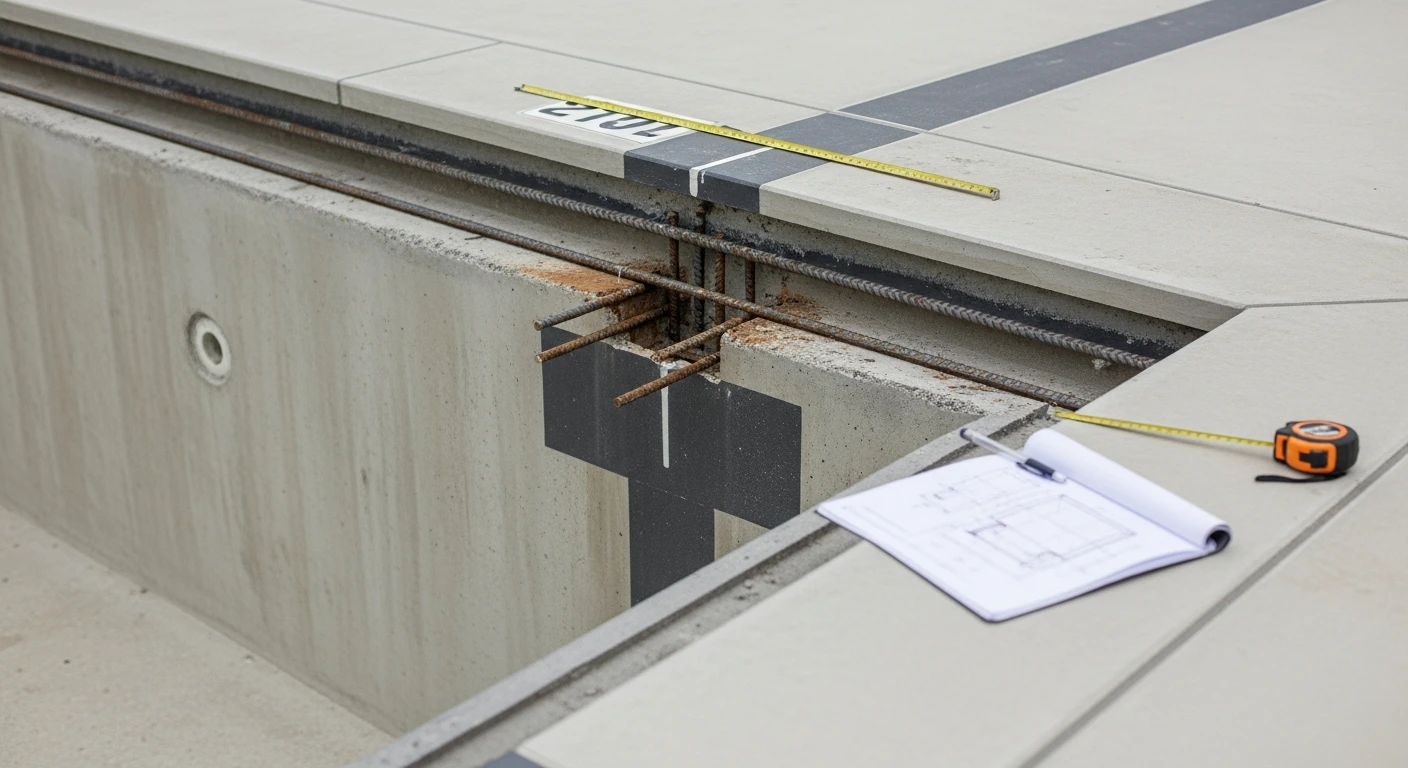
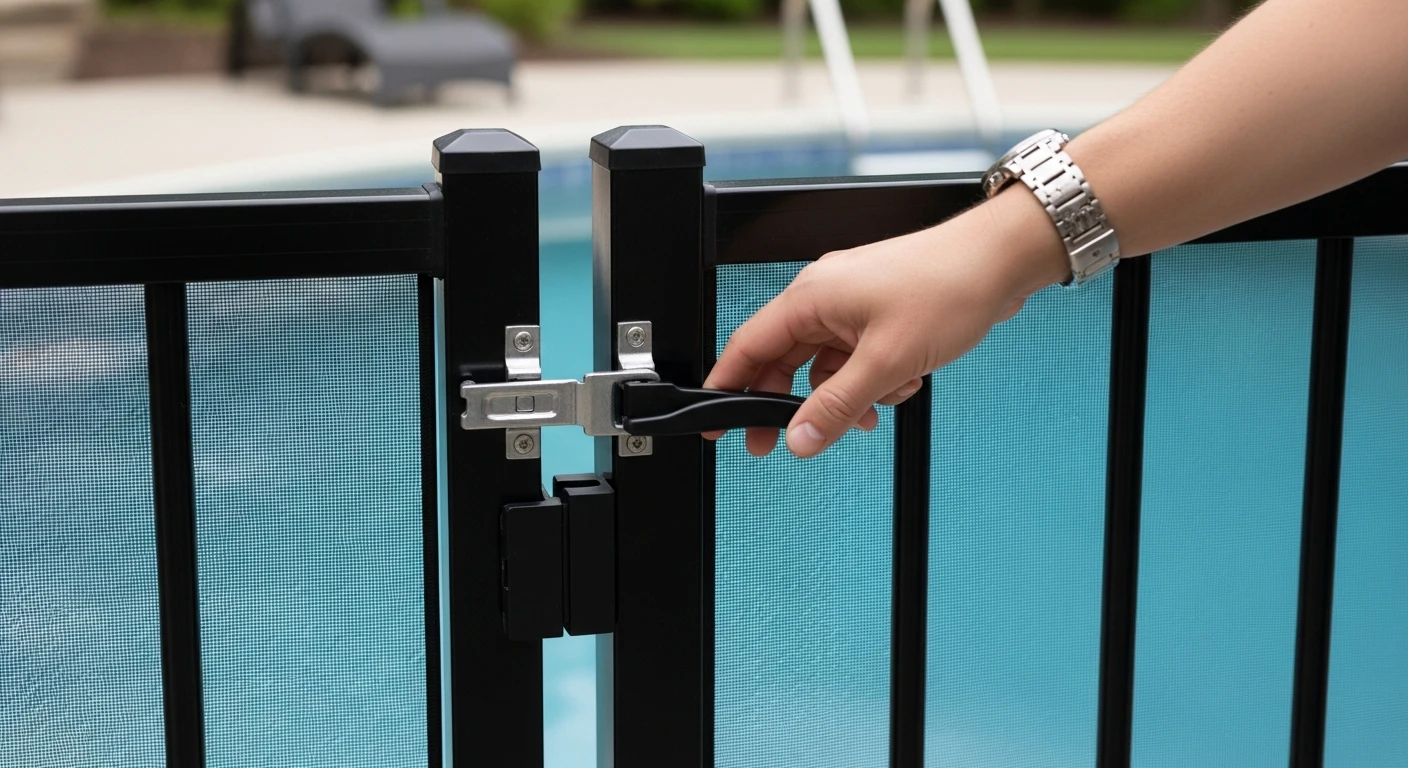
A technical evaluation goes beyond routine water chemistry and cleaning to perform a comprehensive diagnostic of your pool's core structural and hydraulic systems. Unlike weekly service, we conduct pressure tests on underground plumbing to find hidden leaks, inspect the pool shell for early signs of structural stress like hairline cracks in the gunite, and measure equipment performance against manufacturer specifications. We also verify that critical safety components, such as the main drain's anti-entrapment cover, are compliant with current laws like the Virginia Graeme Baker Act, an essential check often overlooked during standard maintenance visits.
My pool is losing water, but I can't see a leak. How do you find it?
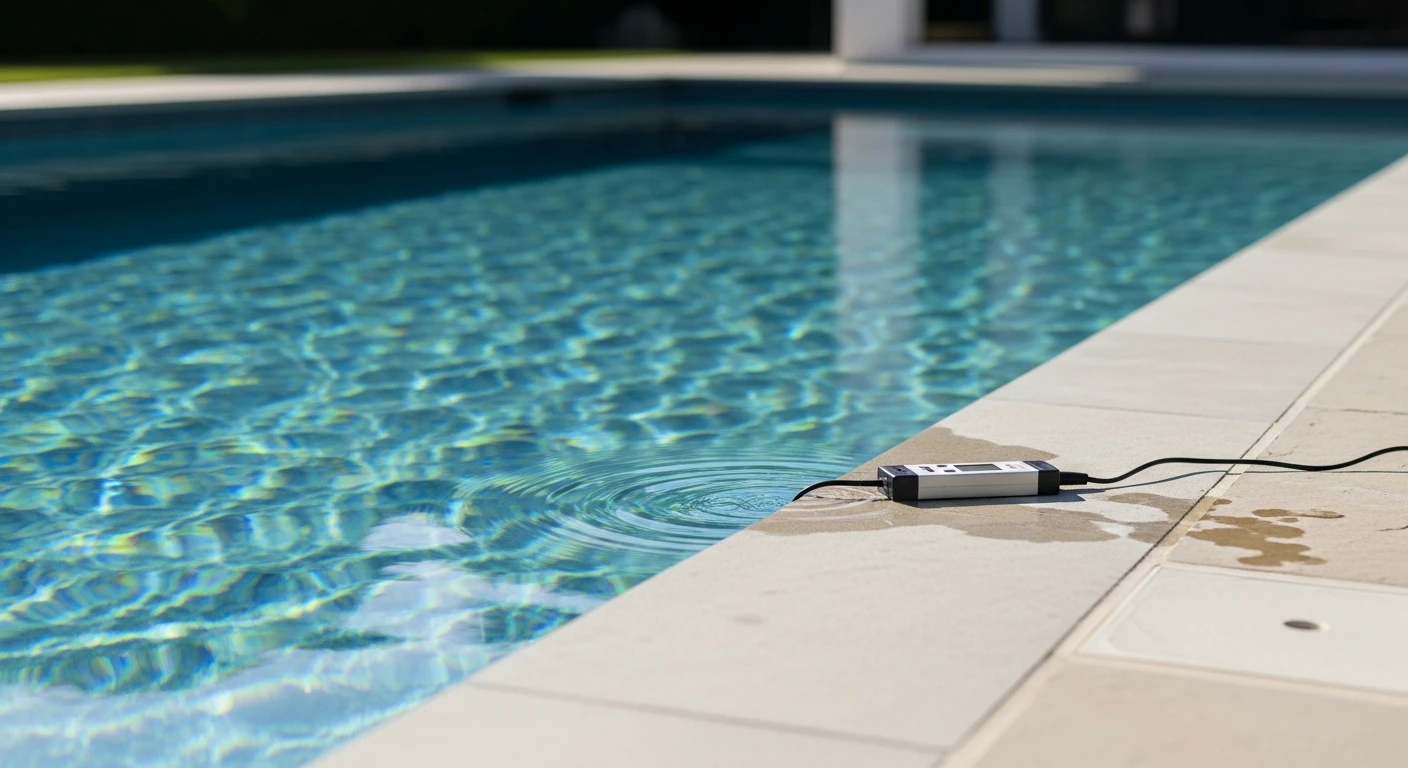
We locate non-visible leaks by systematically isolating and pressure-testing each component of the plumbing system—suction lines, return lines, and skimmers. A drop in pressure on our testing rig pinpoints which specific line is compromised. For suspected shell leaks in concrete pools, we use electronic leak detection equipment or dye testing to precisely identify the source. A leak as small as 3 mm (1/8 inch) can waste over 1,800 liters of water daily, so pinpointing its exact location is critical to avoid expensive excavation and unnecessary structural damage.
The pump is making a loud humming or grinding noise. Does it need to be replaced?
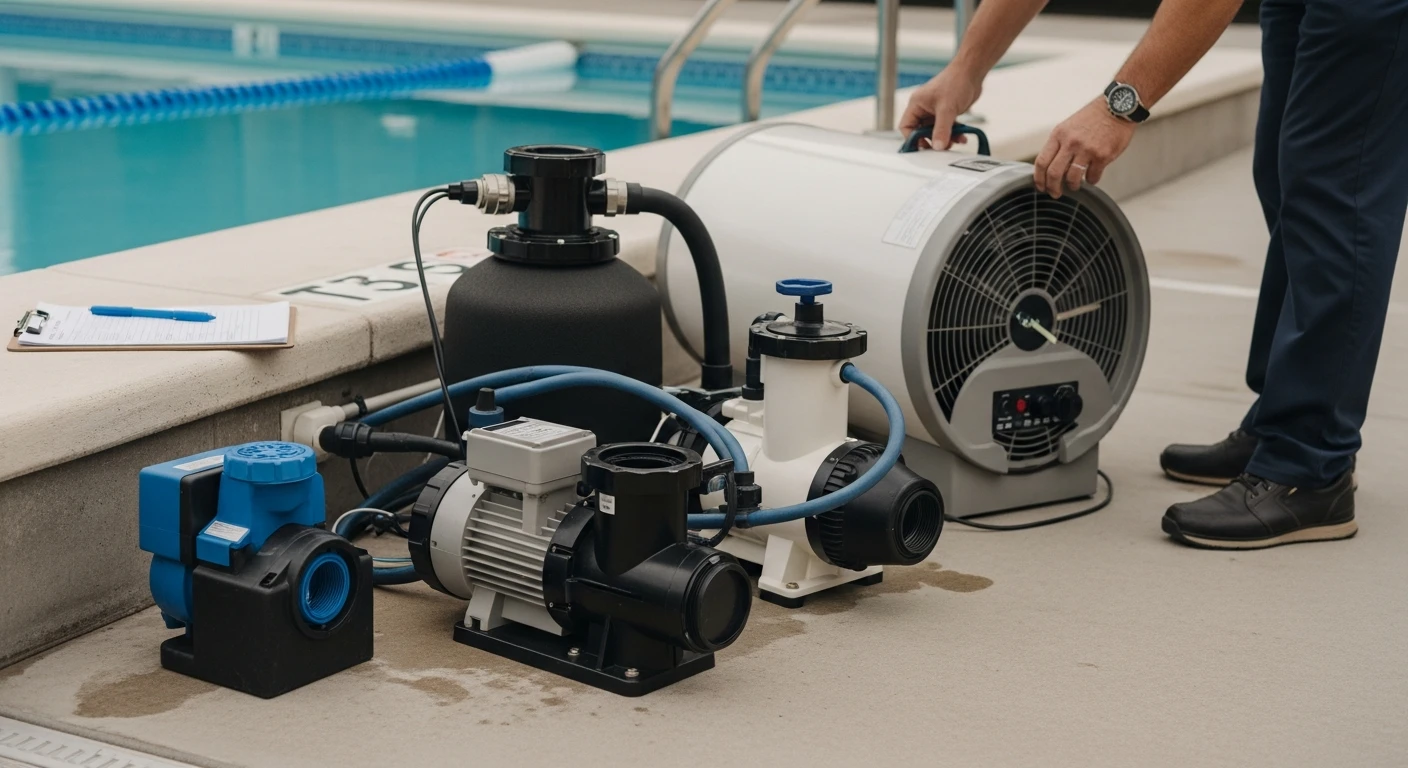
A loud grinding noise often indicates failing motor bearings, which can sometimes be replaced, but a high-pitched scream or loud hum suggests the motor is struggling against a blockage or electrical issue. During an evaluation, we measure the motor's amperage draw and check the impeller for debris before condemning the unit. While a full pump replacement is common after 8 to 12 years, the noise could also stem from simple cavitation caused by an air leak on the suction side, which is a much less expensive plumbing repair.
I have dark stains on my pool walls that won't brush off. What are they?
Dark, stubborn stains are typically evidence of black algae, a persistent organism that grows roots into the plaster or gunite surface, making it resistant to chlorine and brushing. An evaluation will confirm the algae type and assess the extent of its penetration. The solution involves more than just chemicals; it requires aggressive mechanical treatment, such as wire brushing or even a partial acid wash, followed by a specialized algaecide treatment. Ignoring these stains allows the roots to etch and permanently damage the pool's surface.
My water is always cloudy, even after shocking it. Is my filter broken?
Persistent cloudiness despite proper chemical balance often points to a filtration problem, but not necessarily a broken filter. Our evaluation determines the specific cause, which could be channeling in a sand filter where water creates pathways to bypass the sand, a cracked manifold in a D.E. filter, or torn cartridges. A common DIY error is using flocculants with a cartridge filter, which clogs the media instantly. We inspect the internal components to see if they need replacement or if the entire filter is undersized for your pool's volume.
After opening my pool for the season, some of the jets are very weak. What's wrong?
Weak return jets are a classic symptom of either a significant plumbing obstruction or, more commonly in colder climates, underground pipe damage from improper winterization. If the lines were not fully blown out, trapped water can freeze and cause a freeze-burst crack in the PVC pipes. Our evaluation uses pressure testing to confirm if the line is holding pressure. If it is, we then investigate for a blockage at the jet fitting or a collapsed internal pipe, which can be much harder to locate without specialized equipment.