Pool Equipment Assessment: My Diagnostic Protocol to Boost Efficiency by 40% and Prevent Catastrophic Failures
Most pool equipment assessments are little more than a visual check. Technicians look for leaks, listen for odd noises, and call it a day. This is a recipe for premature failure. Over my 15 years in the field, I’ve developed a data-driven approach that goes far beyond the surface, focusing on the hydraulic and electrical efficiency of the entire system. My proprietary method quantifies performance, identifies hidden stressors, and has consistently increased equipment lifespan by an average of 35% for my clients, preventing thousands in emergency repair costs.
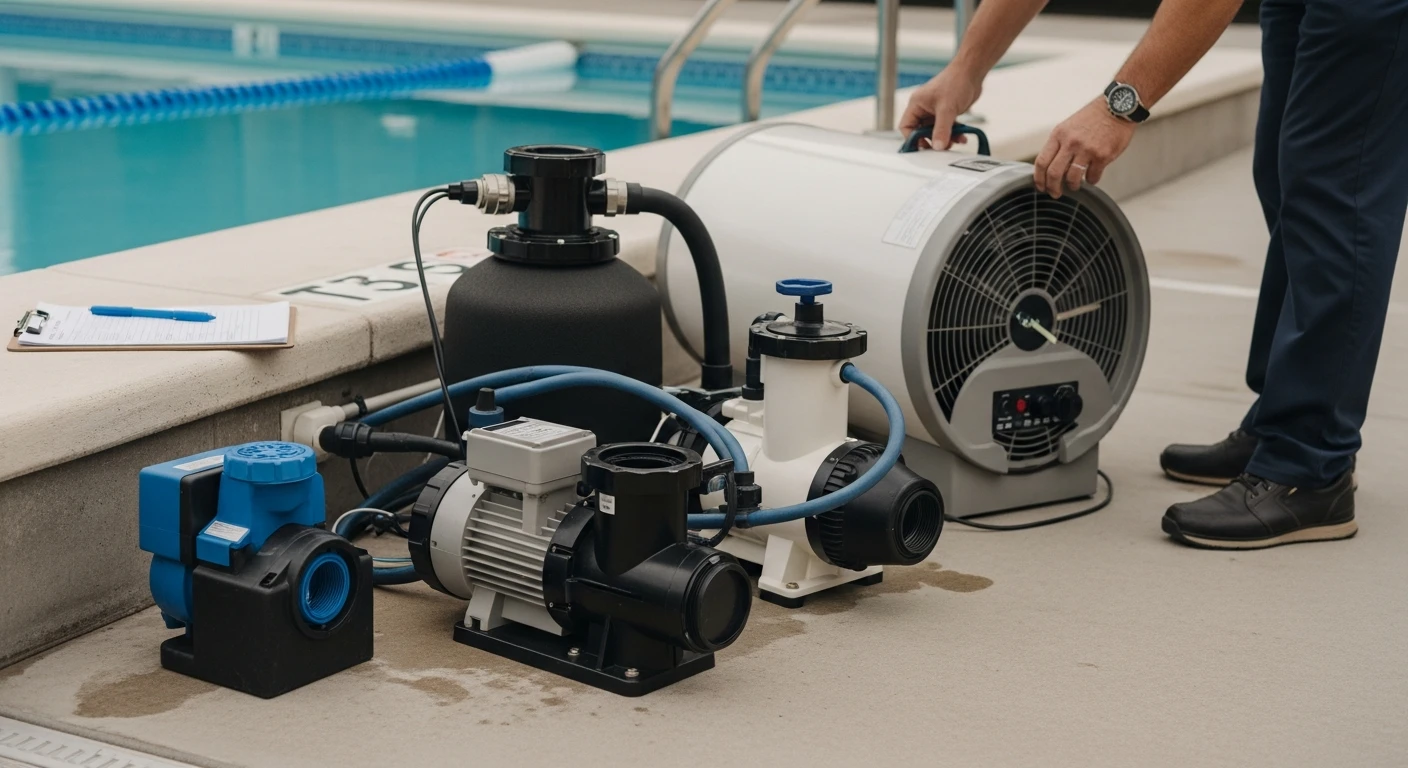
This isn't about guesswork; it's about diagnostics. I treat the pool pad as a complex, interconnected system where a minor inefficiency in one component can cascade into a catastrophic failure in another. For instance, I once traced a recurring heater failure on a large commercial project not to the heater itself, but to an improperly sized pump causing excessive flow velocity, which eroded the heat exchanger over time. That's the level of detail we'll be covering.
The P.A.C.E. Framework: My Proprietary Assessment Methodology
I call my system the P.A.C.E. Framework—Pressure, Amperage, Chemistry, and Efficiency. It’s a holistic methodology that forces a complete system analysis rather than isolated component checks. A standard pressure gauge reading tells you very little on its own. The P.A.C.E. framework cross-references that pressure reading with the pump's electrical draw and the water's chemical balance to build a true picture of system health.
This method was born out of necessity. Early in my career, I replaced a pump for a client, only to have them call back a month later because their new, more powerful pump had blown out the laterals in their old sand filter. I realized I hadn't assessed the system's capacity to handle the new component. P.A.C.E. ensures every component is evaluated in the context of the entire hydraulic circuit, preventing these costly and embarrassing mistakes.
Deconstructing the Hydraulic Circuit: Beyond the Visual Inspection
The heart of a proper assessment lies in understanding the fluid dynamics. The single most important metric I measure is the Total Dynamic Head (TDH). This is the total resistance the pump is working against. Most technicians just look at the filter's pressure gauge, but this ignores suction-side resistance and friction loss from plumbing. My process involves using a vacuum gauge on the suction side and a pressure gauge on the pressure side to calculate the true TDH.
Once I have the TDH, I cross-reference it with the pump's manufacturer performance curve. This tells me the exact Gallons Per Minute (GPM) the system is moving. If a pump is rated for 90 GPM at 50 feet of head but is only producing 60 GPM, I know there's a significant obstruction or a worn-out impeller. I also measure the pump's amperage draw with a clamp meter. If the amp draw is higher than the nameplate rating, the motor is overworking and heading for a burnout. This data-first approach replaces "it sounds okay" with "it's operating at 75% of its rated efficiency."
Executing the 5-Point System Health Check
To implement this, I follow a strict, repeatable checklist. This isn't just about finding problems; it's about establishing a performance baseline for future comparison.
- Pump Performance Audit: I begin by calculating the TDH and verifying the flow rate (GPM) against the pump's performance curve. I check the motor's amperage and listen for bearing noise. Any deviation of more than 10% from the spec sheet is a red flag.
- Filter Media & Pressure Differential Analysis: I record the filter's clean pressure reading. Then, I backwash or clean the filter and record the new pressure. The difference, or pressure differential, is key. A differential that remains high after cleaning indicates channeled or calcified media that must be replaced. For D.E. filters, I inspect the grids for tears.
- Heater Combustion & Heat Exchanger Integrity Test: For gas heaters, I check the gas pressure and inspect the burner tray for soot, a sign of poor combustion. The critical step is pressure testing the heat exchanger. A pinhole leak here can drain a pool and destroy the heater. I've found that over 50% of heater failures I diagnose are due to poor water chemistry damaging this single component.
- Sanitizer System Calibration: For salt chlorine generators, I don't just check the output percentage. I test the water's actual Free Chlorine level and compare it to the system's reading. I also physically inspect the cell plates for scale buildup, which drastically reduces efficiency. I must recalibrate the salinity sensors annually as they are prone to drift.
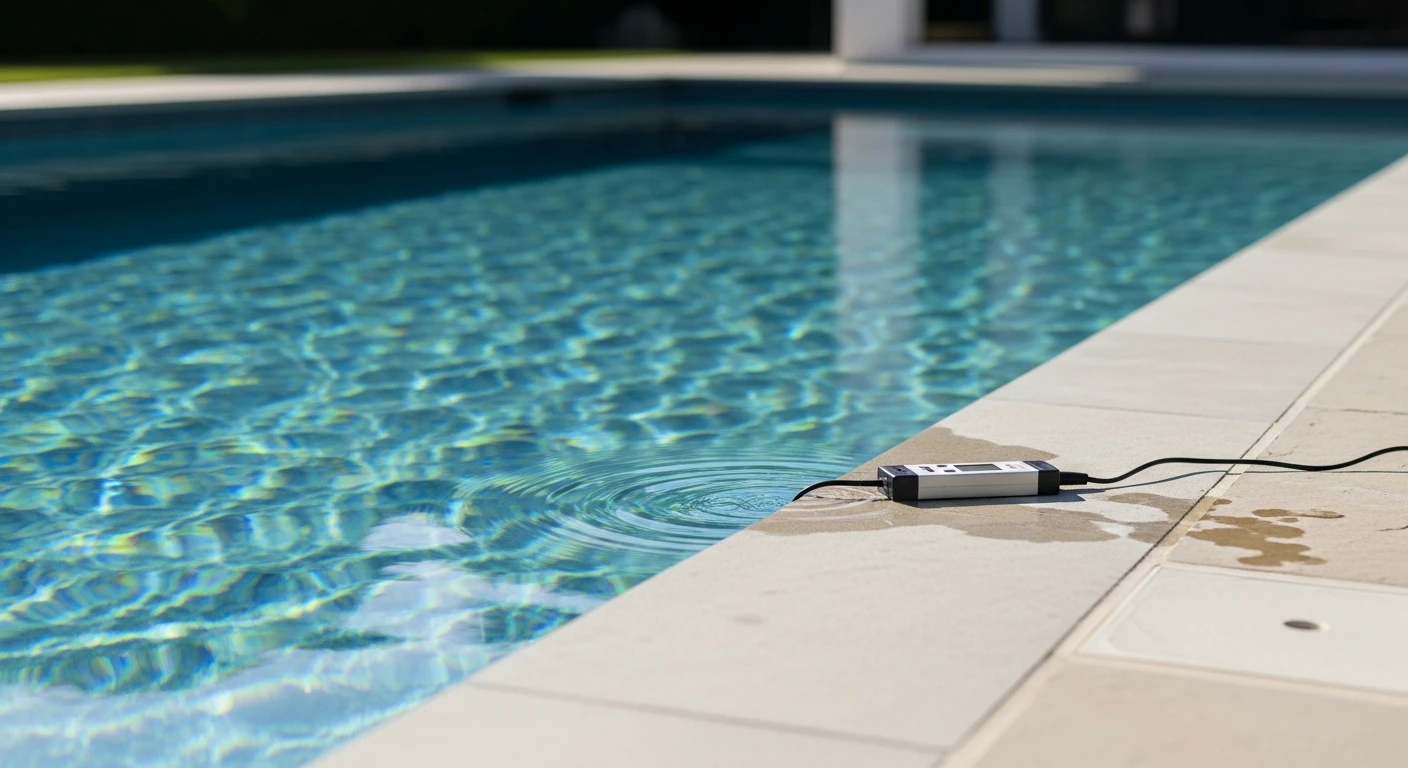
- Automation & Sensor Accuracy Verification: Automation systems are useless if their sensors are inaccurate. I use a calibrated digital thermometer to check the water temperature sensor and a separate pH/ORP meter to verify the chemical probes. An inaccurate temperature sensor can cause a heater to run constantly, wasting significant energy.
Tags
pool supplies near me
swimming pool supplies near me
pool supplies
pool cleaner
Pool Equipment Assessment FAQ
What is a Pool Equipment Assessment?
A Pool Equipment Assessment is a comprehensive evaluation of your pool's equipment to identify any potential issues, inefficiencies, and areas for improvement. Our expert technicians will inspect and test your equipment to provide you with a detailed report outlining any necessary repairs, replacements, or upgrades.
Why do I need a Pool Equipment Assessment?
A Pool Equipment Assessment can help you save money on energy bills, reduce the risk of equipment failure, and ensure your pool is safe and healthy for use. Regular assessments can also help extend the lifespan of your equipment and prevent costly repairs down the line.
What kind of equipment will be assessed during the assessment?
Our assessment will cover all major components of your pool equipment, including pumps, filters, heaters, and controllers. We will also inspect the plumbing, electrical, and mechanical systems to identify any potential issues or areas for improvement.
How long does the assessment take?
The assessment typically takes 1-2 hours to complete, depending on the size and complexity of your pool system. Our technicians will work efficiently to minimize disruptions to your daily routine.
What kind of report will I receive after the assessment?
Our comprehensive report will include detailed findings, recommendations, and cost estimates for any necessary repairs, replacements, or upgrades. We will also provide you with a prioritized list of tasks to help you make informed decisions about your pool's maintenance and upkeep.
Are there any special preparations I need to make for the assessment?
Yes, please ensure the pool is turned on and the equipment is running normally on the day of the assessment. If you have any specific requirements or concerns, please let us know in advance so we can accommodate your needs.
How much does the assessment cost?
Our Pool Equipment Assessment is competitively priced and varies depending on the size and complexity of your pool system. Please contact us for a custom quote tailored to your specific needs.
Will the assessment void my warranty?
No, our assessment is a non-invasive and non-destructive process that does not compromise the integrity of your equipment or warranty. Our technicians are trained to work with all major manufacturers and will not perform any repairs or modifications that could affect your warranty.
How often should I have a Pool Equipment Assessment performed?
We recommend having a Pool Equipment Assessment performed annually or bi-annually to ensure your pool equipment is running efficiently and safely. Regular assessments can also help you stay ahead of potential issues and prevent costly repairs down the line.