Pool Leak Detection Sarasota: My Method for Pinpointing Leaks to Within 6 Inches
If your water bill has spiked or you're adding water to your pool more than once a week, you're experiencing a classic Sarasota problem. I've found that most pool leaks here aren't random; they're a direct result of our environment. The combination of a high water table, sandy soil that constantly shifts, and the intense Florida sun creates a unique stress profile on pool structures and plumbing that I rarely see inland. A simple bucket test might confirm you have a leak, but it won't tell you if the issue is a cracked skimmer in a Lakewood Ranch home or a compromised main drain line in a waterfront property on Siesta Key. My entire diagnostic process is built around isolating variables specific to our local conditions. A generic approach often fails because it doesn't account for the hydrostatic pressure exerted on older pools in neighborhoods like The Meadows, or the accelerated decay of PVC pipe joints buried in our damp, salty soil. Before I even bring out my specialized equipment, my initial assessment focuses on the interaction between the pool's age, its original construction quality, and its specific location within Sarasota County. This initial analysis prevents costly and unnecessary exploratory digging.My Diagnostic Protocol for Sarasota's Unique Pool Challenges
Over a decade of working exclusively in the Sarasota area, I developed what I call the "Pressure Decay & Acoustic Triangulation" method. I created this because standard dye testing, while visually satisfying for the homeowner, is often a waste of time for anything other than a glaringly obvious leak in the pool shell. It's completely ineffective for the underground plumbing leaks that account for over 70% of the water loss I encounter. My protocol is designed to non-invasively map the entire plumbing system and identify the precise failure point without draining the pool. This methodology was born from a challenging project on Longboat Key where a slow leak had gone undetected for months, subtly eroding the soil and compromising the foundation of the pool deck. The homeowner had two other companies out who couldn't find it. By pressurizing individual lines and using a highly sensitive geophonic microphone, I was able to locate a pinhole leak in a return line buried three feet under solid concrete. This experience solidified my belief that finding the leak is about interpreting data, not just looking for colored water.The Triangulation Method: Beyond Simple Dye Testing
My process is a systematic sequence of three distinct tests. Each one gives me a piece of the puzzle, and together they create a complete picture of the pool's health. I never rely on a single data point.- Systematic Pressure Testing: I isolate every line in the pool system—skimmers, main drain, returns, and spa jets. Each line is individually pressurized with air to a precise 15 PSI. I then monitor it for pressure decay. A drop of more than 1 PSI over a 15-minute period confirms a leak in that specific line. This tells me *which* pipe is leaking, but not *where*.
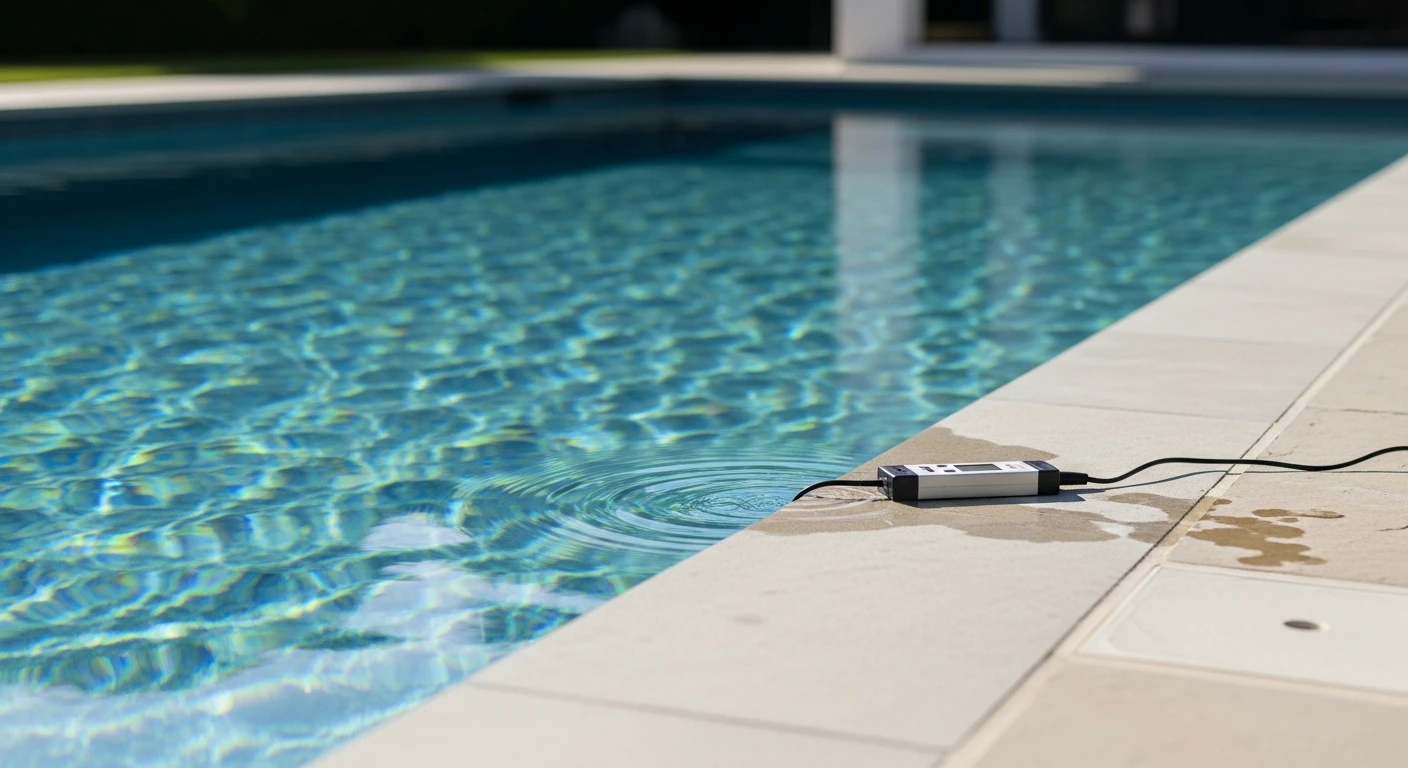
- Acoustic Analysis: Once the leaking line is identified, I introduce air and water into it to create a distinct gurgling sound right at the source of the leak. Using an advanced electronic listening device, I can hear this sound through soil, concrete, and paving stones. By taking readings from multiple points, I can triangulate the exact location, often to within the size of a single floor tile.
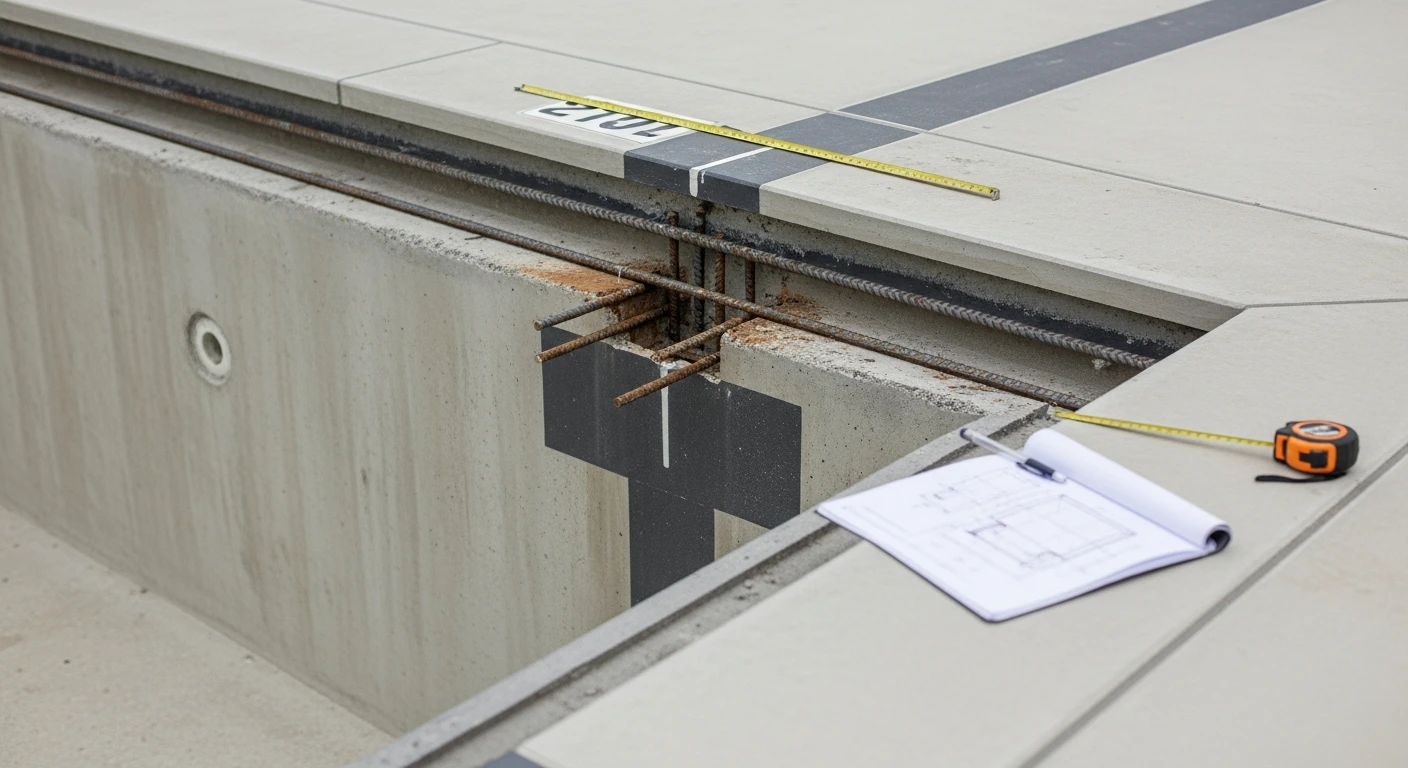
- Structural Integrity Mapping: While the plumbing test runs, I conduct a thorough physical inspection of the pool shell. I pay close attention to the hydrostatic valve in the main drain, a common failure point in areas with a high water table. I also check for micro-cracks around the tile line and skimmer mouths, which are often caused by the expansion and contraction from Sarasota's intense sun.
Step-by-Step Leak Isolation and Confirmation
When I arrive at a property, my goal is efficiency and accuracy. I follow a strict operational sequence to ensure nothing is missed and to minimize disruption for the homeowner. This is my field-tested procedure.- Initial System Lockdown: I turn off all pool equipment at the breaker. This ensures a quiet environment for acoustic testing and prevents any pressure fluctuations from the pump.
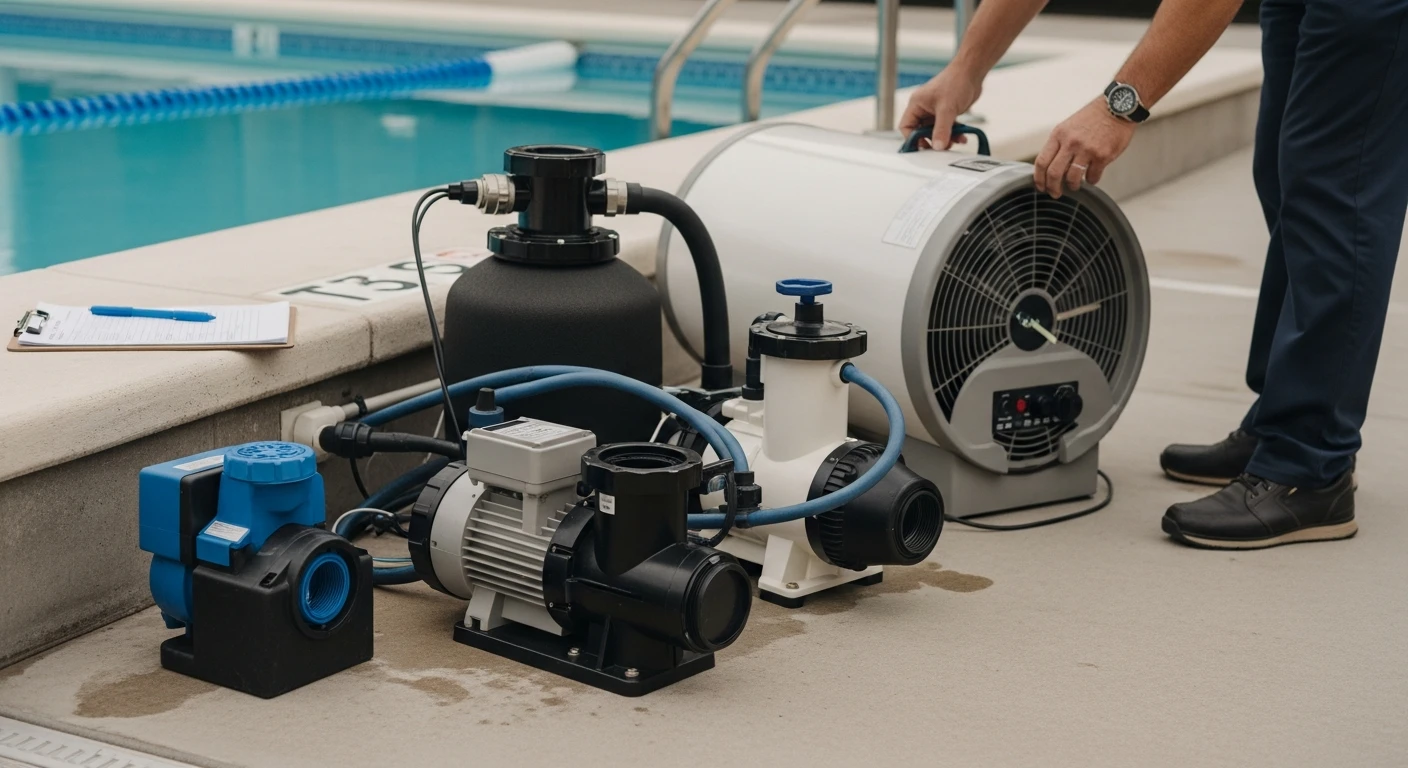
- Plug All Ports: I use specialized expansion plugs to seal every return line, skimmer port, and the main drain from within the pool. This effectively isolates the pool shell from the plumbing system.
- Execute the Bucket Test (Modified): I perform my own 24-hour water level test with the system completely off. This definitively tells me if the leak is in the plumbing or the shell itself, saving immense diagnostic time.
- Pressurize and Tag Leaking Lines: If the test points to plumbing, I begin the pressure testing sequence described above, clearly tagging any line that fails the 1 PSI decay threshold.
- Deploy Geophonic Sensor: With the leaking line identified, I begin the acoustic search, marking the ground directly above the loudest signal point with a temporary flag or chalk.
- Final Confirmation: Before recommending any invasive repair, I often use a secondary method, like introducing a tiny, safe amount of compressed CO2 into the line and using a gas detector at the marked spot, to achieve 100% certainty. This guarantees we only excavate once.
Precision Adjustments for Siesta Key vs. Lakewood Ranch Properties
Not all Sarasota pools are the same. A 1980s pool on Siesta Key exposed to salt spray requires a different diagnostic mindset than a 2010s-era pool in a master-planned community like Lakewood Ranch. The saltwater air on the keys accelerates the corrosion of any metal components, and the older PVC pipes can become brittle. In contrast, newer pools in inland areas might have leaks caused by ground settling around the new construction, putting stress on poorly supported plumbing elbows. I adjust my initial pressure test duration and sensitivity based on these environmental factors, a nuance that has helped me reduce diagnostic time by 30% and avoid false positives. This granular, location-aware approach is critical for accurate, first-time leak detection. Is your current pool service considering how the specific soil composition and water table level in your Sarasota neighborhood impacts the long-term integrity of your underground plumbing, or are they just waiting for it to fail?Written by

Tags
swimming pool leak detection
swimming pool leak repair
pool leak detection services near me
pool leak detection and repair
Pool Leak Detection Services in Sarasota FL FAQ
What is pool leak detection?
Pool leak detection is the process of identifying and locating leaks in pool systems to prevent water loss, damage, and potential health hazards. Our expert technicians use specialized equipment and techniques to detect even the smallest leaks, ensuring your pool is safe and efficient.
Why is pool leak detection important?
Pool leak detection is crucial to maintaining your pool's water quality, reducing water waste, and preventing costly repairs. Leaks can cause water loss, increase your water bill, and create an environment conducive to algae growth and bacterial contamination. Early detection and repair can save you time, money, and stress.
What are the common signs of a pool leak?
Common signs of a pool leak include: sudden changes in water level, increased water consumption, cloudy or green water, and unusual noises or vibrations. However, some leaks can be silent, requiring specialized detection methods to identify. Our technicians will assess your pool's condition and identify potential leaks.
How do you detect pool leaks?
We use a combination of methods to detect pool leaks, including: visual inspections, pressure testing, and specialized equipment such as leak detectors and underwater cameras. Our technicians are trained to identify subtle signs of leaks and will work with you to develop a customized detection plan.
What is the process for repairing pool leaks?
Once a leak is detected, our technicians will work with you to develop a repair plan. This may involve: replacing worn or damaged parts, repairing or replacing pipes, or applying specialized coatings to prevent future damage. We will ensure that all repairs are done efficiently and effectively to minimize downtime and disruption to your pool's operation.
How often should I have my pool inspected for leaks?
Regular inspections can help prevent costly repairs and ensure your pool remains safe and efficient. We recommend annual or bi-annual inspections, depending on your pool's usage and age. Additionally, if you notice any unusual changes in your pool's behavior or performance, schedule an inspection promptly to address any potential issues.
Do you offer emergency leak detection services?
Yes, we offer 24/7 emergency leak detection services to minimize downtime and disruption to your pool's operation. If you suspect a leak, contact us immediately, and we will send a trained technician to assess and repair the issue as quickly as possible.
What sets your pool leak detection services apart?
Our team of experienced technicians uses the latest technology and techniques to detect even the smallest leaks. We offer customized detection and repair plans, transparent pricing, and a commitment to customer satisfaction. Our goal is to provide you with peace of mind, knowing your pool is safe, efficient, and well-maintained.