Weekly Pool Maintenance Lee County: The 3-Phase Protocol for Preventing Algae Blooms and Extending Pump Life by 30%
For years, I’ve serviced pools from the canal-front homes in Cape Coral to the sprawling estates in Fort Myers, and the single biggest mistake I see is a "one-size-fits-all" approach to weekly maintenance. The intense Lee County sun, coupled with our high humidity and sudden summer downpours, creates a unique micro-environment in your pool that generic advice from a big-box store simply can't handle. This isn't just about clear water; it's about preventing costly, premature equipment failure and frustrating algae blooms that can turn a backyard oasis into a swamp overnight.
My entire methodology is built on proactive, climate-specific adjustments. I learned this the hard way after a client’s pool in Bonita Springs went from sparkling to green in 48 hours, despite having "perfect" chlorine levels. The culprit wasn't chlorine; it was a massive phosphate spike after their lawn was fertilized just before a thunderstorm. This experience forced me to develop a system that anticipates Lee County's specific challenges, focusing on water chemistry stability rather than just chasing chlorine numbers.
My Diagnostic Framework: The Lee County Climate-Adapted Chemical Protocol
Before I even touch a net or brush, my process begins with understanding the unseen pressures on your pool. Standard test strips often miss the two biggest problems I encounter in Southwest Florida: runaway phosphate levels and incorrect stabilizer concentrations. My protocol is designed to diagnose the root cause of imbalance, not just treat the symptoms. This prevents the endless cycle of adding more and more chemicals, which is not only expensive but can damage your pool's plaster and equipment.
Technical Deep-Dive: Beyond Chlorine and pH
Most pool owners focus on chlorine and pH, and while they're vital, they're only part of the story here. In Lee County, the real battle is won by managing three other key metrics that directly impact water clarity and sanitizer efficiency.
- Phosphate Levels: This is algae's favorite food. Runoff from fertilized lawns, decaying leaves from afternoon storms, and even municipal water can load your pool with phosphates. I keep my clients' pools below 200 ppb (parts per billion). Once it creeps above 500 ppb, you're practically inviting an algae bloom, no matter how much chlorine you use. A simple phosphate test and a regular dose of phosphate remover is the single most effective preventative step I take.
- Cyanuric Acid (CYA): Think of CYA, or stabilizer, as sunscreen for your chlorine. The relentless Florida sun will destroy unstabilized chlorine in hours. However, too much CYA is just as bad. I once took over a pool in Lehigh Acres where the CYA was over 150 ppm (parts per million). The owner was shocking it weekly with no effect because the chlorine was "locked" by the high stabilizer level. The ideal range is 30-50 ppm. Exceeding 80 ppm requires a partial drain and refill—a costly mistake.
- Calcium Hardness: The hardness of our local water can wreak havoc on plaster and pebble finishes over time. I aim for a range of 200-400 ppm. Too low, and the water becomes aggressive and can etch the plaster. Too high, and you'll get scale buildup on your tile line and inside your salt cell, which I see constantly in newer construction. Balancing calcium is key to the long-term structural integrity of the pool itself.
The Weekly 7-Point Implementation System
Once the water chemistry baseline is understood, my weekly physical maintenance follows a strict, repeatable process. Skipping any of these steps is how small problems become expensive repairs. This is the exact checklist I use every time.
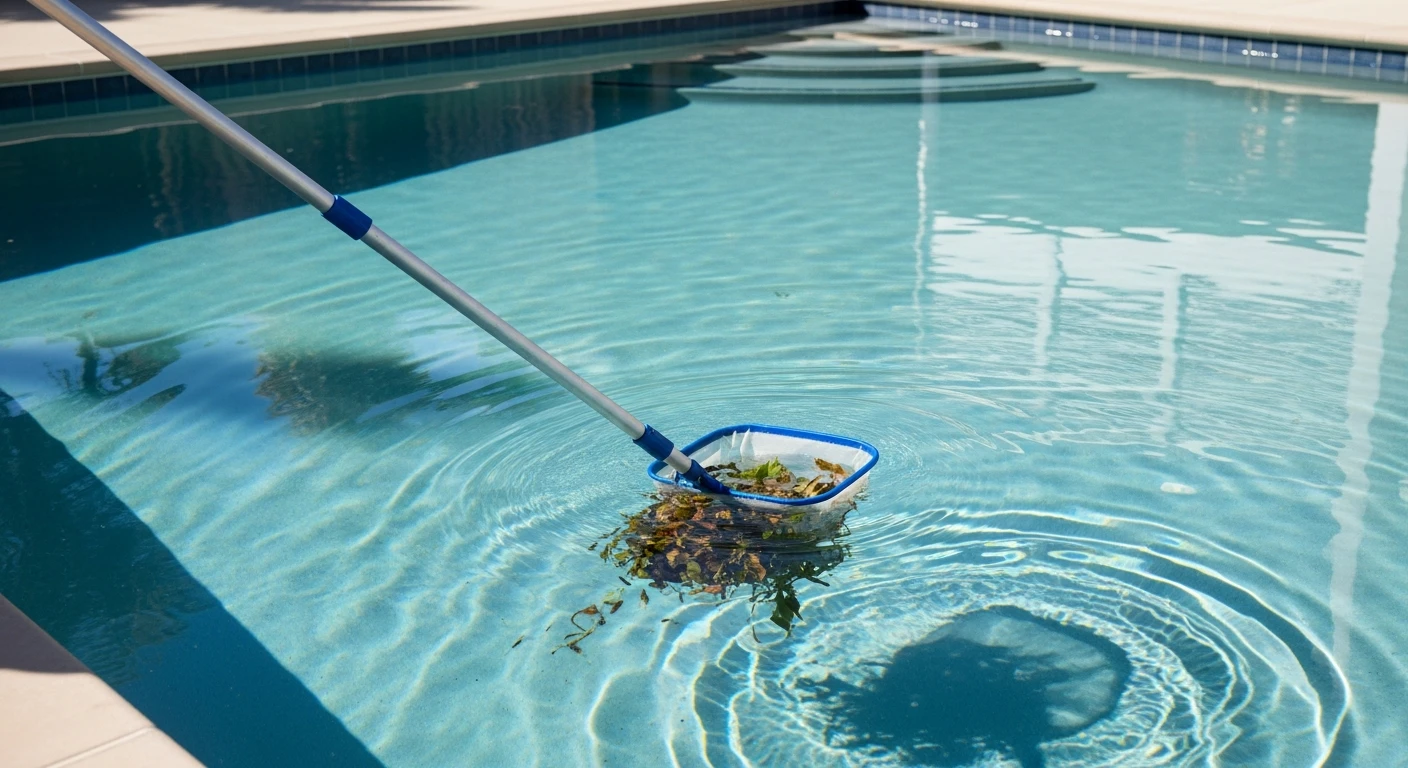
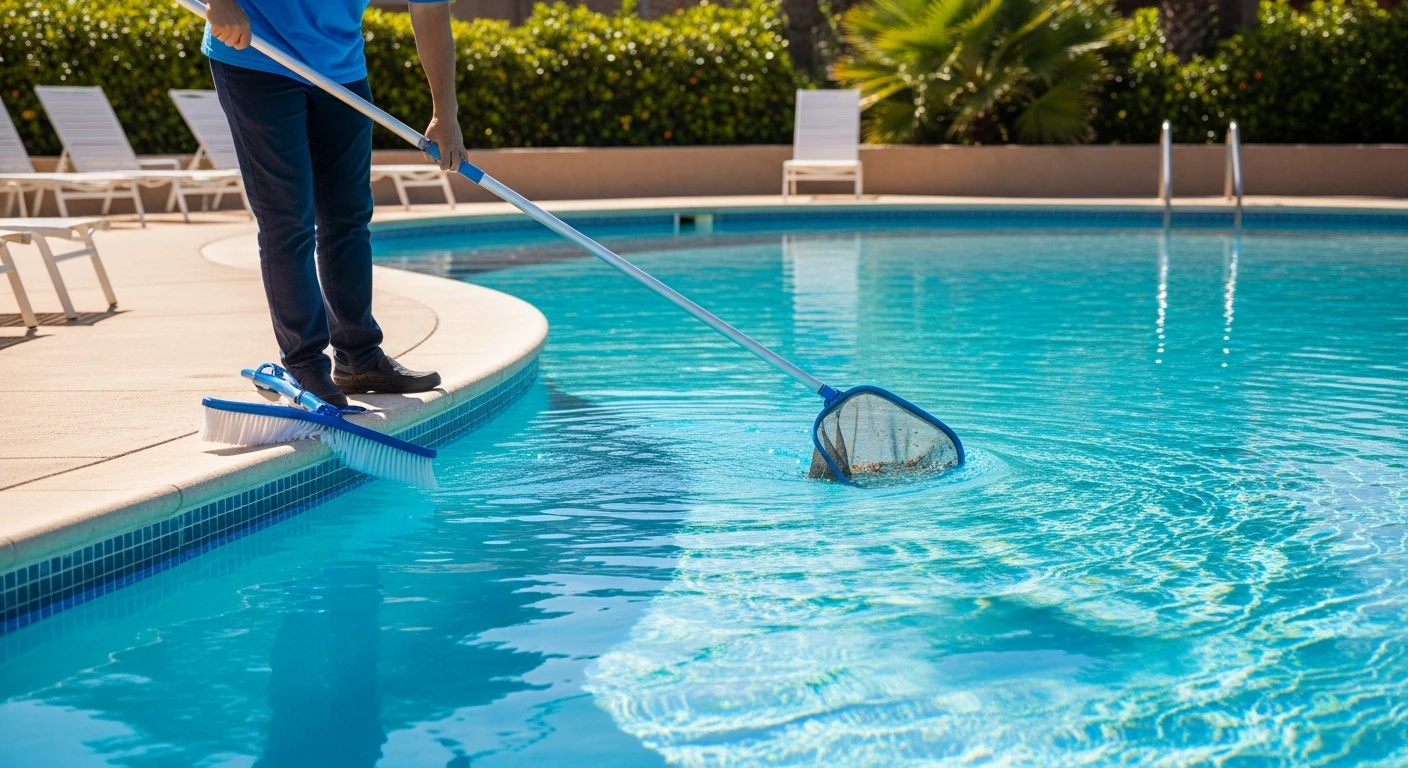
- 1. Surface Skimming: Remove all floating debris. This isn't just for looks; organic material consumes chlorine as it decomposes.
- 2. Wall & Step Brushing: I use a stiff brush on all surfaces, especially in crevices, around ladders, and on steps. This physically dislodges nascent algae spores before they can take hold and form a visible colony. This step is non-negotiable.
- 3. Pump and Skimmer Baskets: Clear all baskets of debris. A clogged basket restricts water flow, putting immense strain on your pump motor and reducing filtration efficiency by up to 50%. This is the leading cause of premature pump failure I diagnose.
- 4. Filter Pressure Check: Note the PSI on your filter gauge. An increase of 8-10 PSI over the clean baseline reading means it's time to backwash or clean the cartridge. Running a dirty filter is like trying to breathe through a straw.
- 5. Water Level Inspection: Ensure the water level is halfway up the skimmer opening. Too low, and the pump can run dry. Too high, especially during the rainy season, and the skimmer won't work effectively.
- 6. Equipment Pad Check: A quick visual inspection for leaks or unusual noises from the pump motor. Catching a small drip early can prevent a major repair bill.
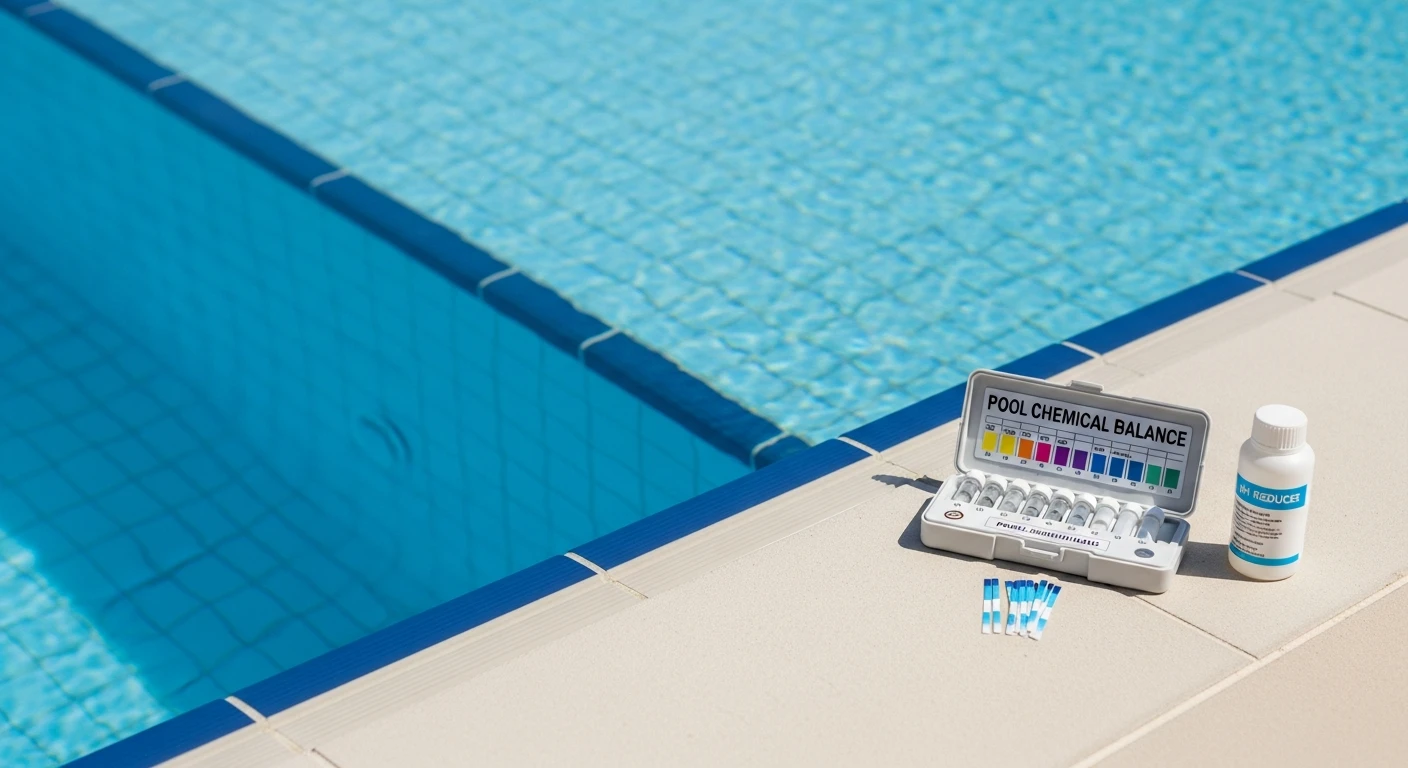
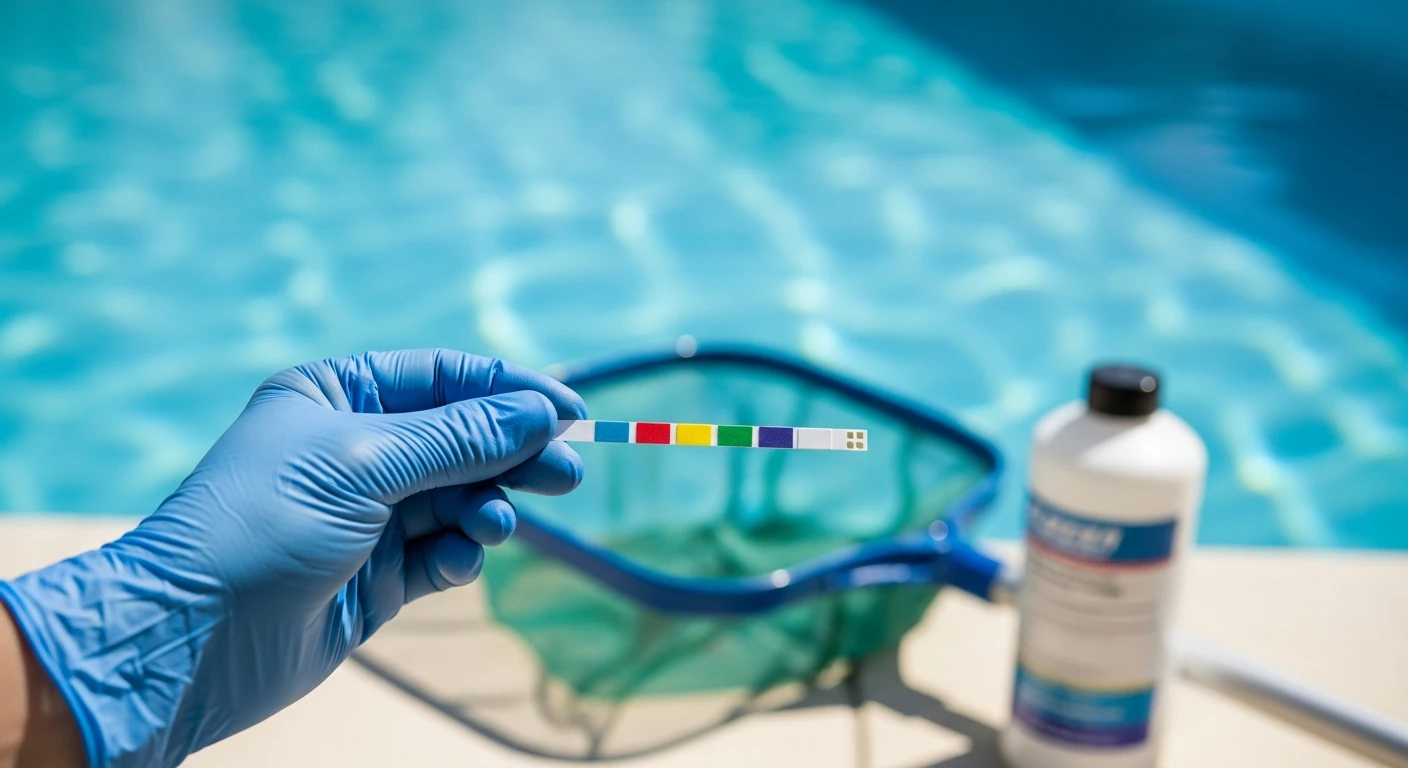
- 7. The Chemical Test & Dose: Only after the physical cleaning is complete do I perform the full water test (Free Chlorine, pH, Alkalinity, and periodically CYA and Phosphates) and add chemicals precisely based on the readings and the pool's volume.
Precision Adjustments for Southwest Florida Pools
The final layer of my service is making micro-adjustments based on weather and usage. After a heavy multi-hour rainstorm, I know that the pool's alkalinity will have dropped and the water will be full of airborne contaminants. This often necessitates a small dose of sodium bicarbonate and a preventative algaecide. For my clients with salt systems, I religiously inspect the salt cell every three months for calcium buildup (scaling), gently cleaning it with a diluted acid solution to ensure optimal chlorine production and prevent permanent damage to the cell plates. Ignoring this simple check is the fastest way to ruin a $900 salt cell in our hard water environment.
If your Total Dissolved Solids (TDS) are above 2500ppm, are you adjusting your chlorine dosage accordingly, or just wasting chemicals every week?