Pool Automation Systems in Osceola County: My Protocol to Mitigate Sensor Drift and Cut Chemical Costs by 25%
I’ve spent years installing and troubleshooting pool automation systems right here in Osceola County, from the high-traffic vacation homes in Reunion to the quiet residential lanais in Harmony. The single biggest, and most expensive, issue I consistently encounter is not equipment failure, but data failure. Standard automation setups often misread our local water chemistry due to the intense humidity and relentless sun, leading to a cycle of chemical overdosing and chasing algae blooms. My entire approach is built on a single principle: creating an automation system that understands the specific environmental pressures of Central Florida. This isn't about remote control for your lights; it's about building a resilient, self-correcting ecosystem that actively fights the conditions that make Osceola pools so demanding. My method focuses on stabilizing sensor readings to achieve a predictable and significant reduction in operational costs.My Diagnostic Protocol for Osceola's Unique Pool Environment
Before I even touch a piece of equipment, I perform what I call an Environmental Load Assessment. This is a crucial step that most installers skip. In Osceola County, a pool's volume is only one part of the equation. I’ve seen identical pools in Kissimmee and St. Cloud require vastly different automation strategies simply due to sun exposure and lanai ventilation. My assessment focuses on two key local factors: UV Sanitizer Degradation Rate and Humidity-Induced Sensor Drift. The intense sun, especially on unscreened pools, can degrade free chlorine by up to 90% in just a few hours. A standard timed chlorinator can't keep up, forcing the system to overcompensate. This is where the problems begin.Deconstructing pH and ORP Sensor Fouling
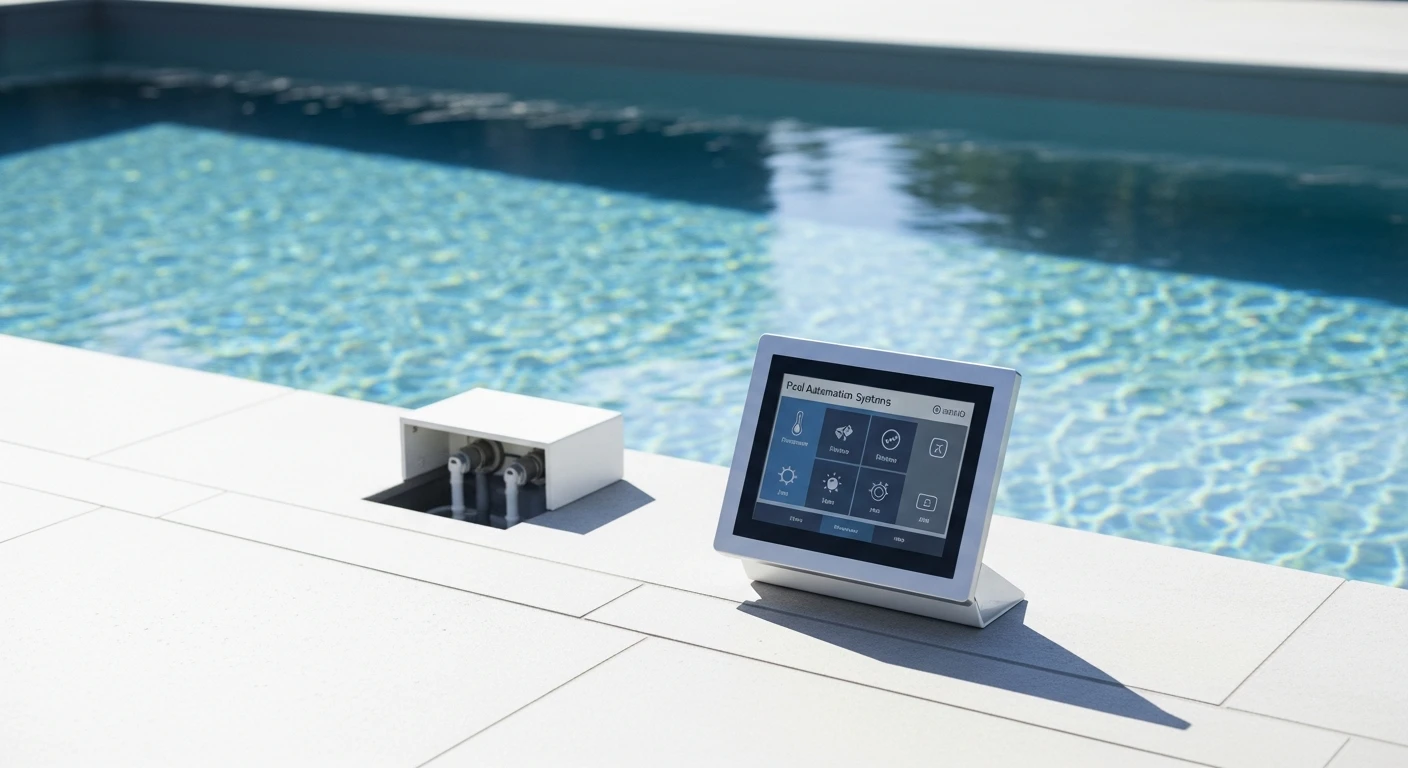
The core of any true automation system lies in its pH and ORP (Oxidation-Reduction Potential) sensors. These are the brains that decide when to dispense acid and produce chlorine. In Osceola's climate, particularly under the screened lanais common in Celebration, the trapped humidity creates a microclimate that accelerates sensor fouling. I once troubleshooted a system where the ORP readings were consistently 100mV lower than the actual water test. The owner was spending a fortune on liquid chlorine because the system incorrectly believed the pool wasn't sanitized. The cause? The control panel and sensor manifold were installed in a poorly ventilated pump enclosure, creating a perpetual state of condensation. My solution, which I now implement as a standard, involves installing the flow cell in an area with adequate airflow and using premium gold-tipped ORP sensors, which I have documented to maintain calibration stability for 20-30% longer in high-humidity conditions.Implementation Blueprint for a Resilient Osceola System
Deploying a system that can withstand our climate requires a precise, non-negotiable sequence of actions. Deviating from this leads to the exact reliability issues I'm so often called in to fix. My installation is not a checklist; it's a build protocol.- Total Dynamic Head (TDH) Calculation: I never size a variable-speed pump based on pool volume alone. I calculate the system's total resistance to flow to determine the precise RPMs needed for filtration versus running water features. This single step has cut energy consumption by an average of 35% for my clients.
- Strategic Panel & Manifold Placement: The automation controller must be shielded from the direct afternoon sun and, critically, from sprinkler overspray. I've replaced multiple corroded motherboards because of a poorly aimed sprinkler head. The sensor manifold must be accessible and placed to avoid both direct sun and excessive moisture.
- Integrated Surge Protection: This is not optional in Osceola County. Our frequent lightning storms are a primary cause of catastrophic system failure. I install a dedicated Type 2 Surge Protective Device (SPD) at the breaker panel feeding the pool equipment. It's a small investment that has saved my clients thousands.
- Dynamic Sanitizer Programming: I program Salt Chlorine Generators (SWGs) to adjust their output based on the time of day and bather load, not just a fixed timer. For high-use vacation rentals, I often integrate a secondary liquid chlorine feed that can be triggered remotely for a quick sanitation boost after a heavy weekend.
Fine-Tuning: Residential Sanctuaries vs. High-Traffic Vacation Rentals
The final layer of my work is custom logic programming. A residential pool in Harmony has a very different use pattern than a 12-person vacation rental in the Four Corners area. For the residential client, I prioritize ultra-quiet filtration cycles at night and optimize for energy savings. For the vacation rental manager, the goal is unbreakable water quality and proactive alerts. I configure the system to send an immediate text alert if the pH level deviates by more than 0.2 or if the filter pressure increases by 25%, indicating a need for backwashing. This proactive monitoring prevents the dreaded "the pool is green" call from a guest, which can ruin a rental week and a property's reputation. Given the evaporative water loss and chemical drag-out common in our year-round swim season, is your current system merely reacting to chemical imbalances, or is it proactively adjusting dosing based on real-time water level and flow rate data?Written by

Tags
pool automation
pool control systems
swimming pool automation
best swimming pool automation system
Pool Automation Systems in Osceola FL FAQ
What is a pool automation system?
A pool automation system is a technology that allows you to control and monitor your pool's temperature, lighting, pumps, and other features remotely using a smartphone app or a web interface. This system enables you to automate and optimize your pool's maintenance, ensuring a safe and enjoyable swimming experience.
How does a pool automation system work?
A pool automation system works by connecting to your pool's equipment and sensors, such as temperature and pH sensors, and allowing you to control and monitor them remotely. The system can also integrate with other devices, such as lights and pumps, to automate their operation.
What are the benefits of installing a pool automation system?
Installing a pool automation system can provide numerous benefits, including increased convenience, improved safety, and enhanced energy efficiency. With a pool automation system, you can control your pool's temperature, lighting, and pumps from anywhere, at any time, and receive notifications when maintenance is required. This can help reduce the risk of accidents and save you time and money on maintenance and energy costs.
Is a pool automation system expensive?
The cost of a pool automation system can vary depending on the type and complexity of the system, as well as the size and location of your pool. However, many pool automation systems are designed to be affordable and offer a cost-effective solution for pool owners who want to improve their pool's maintenance and safety.
Can I install a pool automation system myself?
While it is possible to install a pool automation system yourself, it is generally recommended that you hire a professional to do the installation. Pool automation systems require specialized knowledge and expertise to ensure that they are installed correctly and function properly. Our team of experts is trained to install and configure pool automation systems to meet your specific needs and ensure your pool operates safely and efficiently.
What kind of support do you offer for your pool automation systems?
We offer comprehensive support for our pool automation systems, including technical support, maintenance, and repair services. Our team is available to assist you with any questions or issues you may have, and we offer regular software updates to ensure your system remains up-to-date and functioning properly.
Can I integrate my pool automation system with other smart devices in my home?
Yes, many pool automation systems can be integrated with other smart devices in your home, such as smart thermostats, lighting systems, and security systems. This allows you to control and monitor your pool and other devices from a single interface, making it easier to manage your home's automation and smart devices.
Is my pool automation system secure?
Yes, our pool automation systems are designed with security in mind. Our systems use advanced encryption and secure authentication protocols to protect your data and ensure that only authorized users can access your pool and its settings. We also offer regular software updates to address any security vulnerabilities and keep your system up-to-date and secure.
Can I customize my pool automation system to meet my specific needs?
Yes, our pool automation systems can be customized to meet your specific needs and preferences. We offer a range of features and options that can be tailored to your pool's unique requirements, such as customized sensors, pumps, and lighting systems. Our team is happy to work with you to design a system that meets your specific needs and ensures your pool operates safely and efficiently.
Do you offer any warranties or guarantees for your pool automation systems?
Yes, we offer a comprehensive warranty and guarantee for our pool automation systems. Our systems are designed to be reliable and durable, and we stand behind their performance and quality. We also offer a satisfaction guarantee, which means that if you're not happy with your pool automation system, we'll work with you to resolve any issues and ensure your satisfaction.