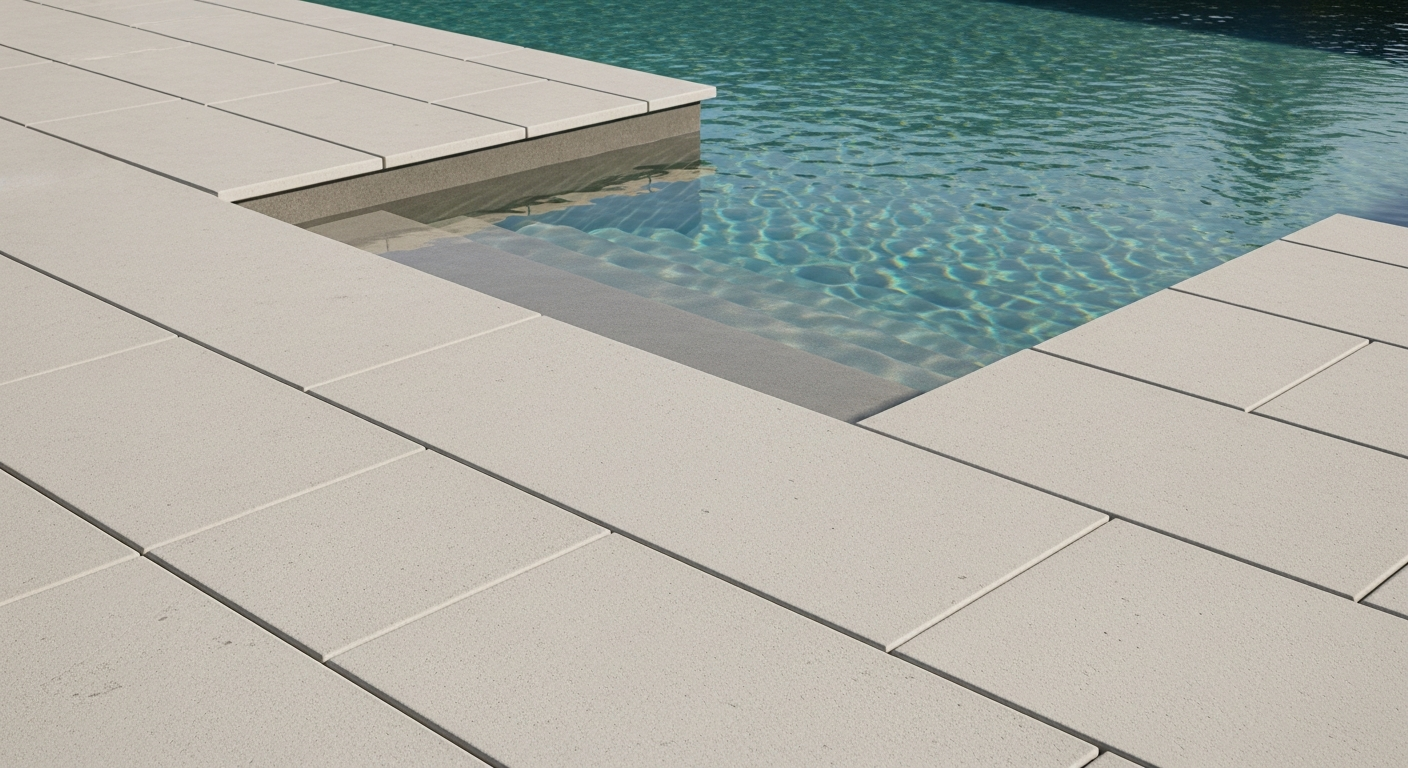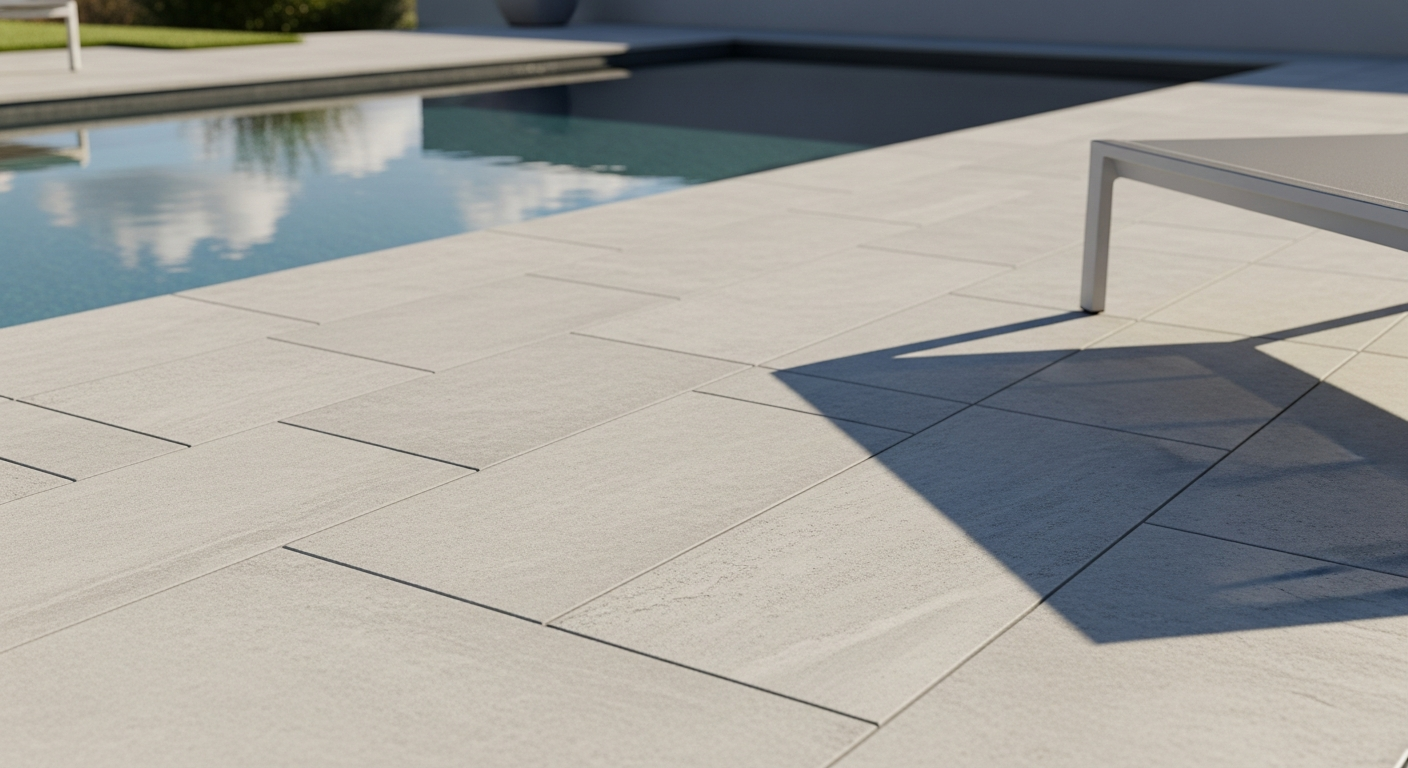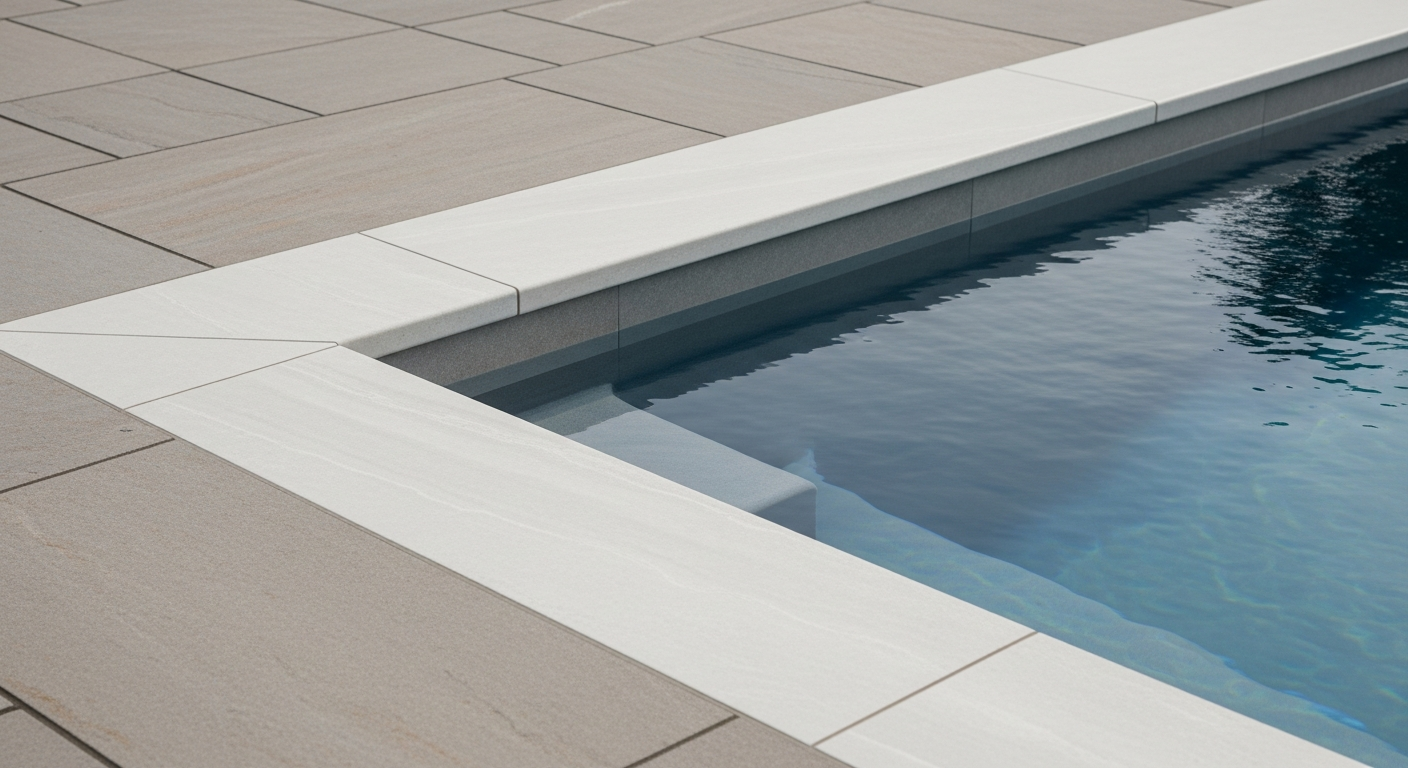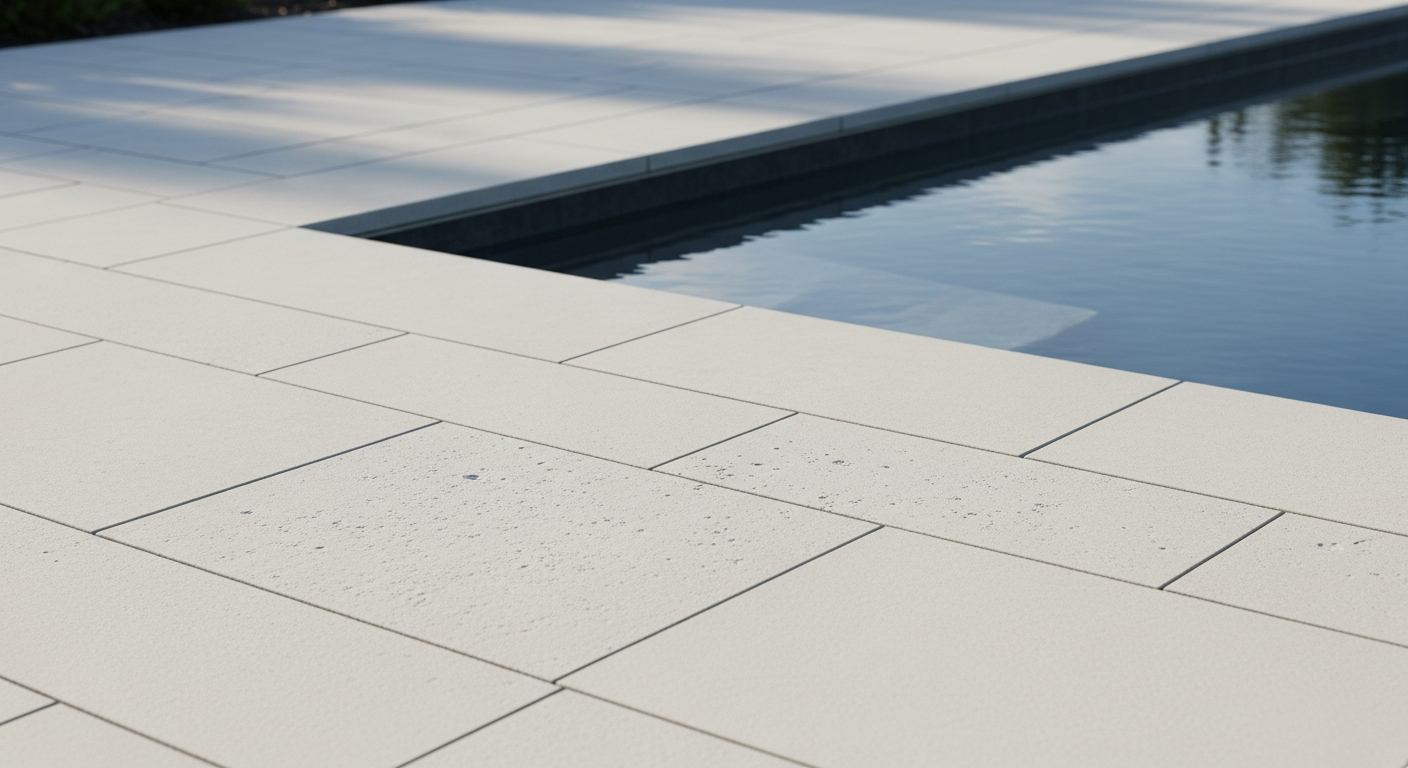
Porcelain Pool Pavers in Seminole County: My Sub-base Compaction Method for Zero-Shift Installation
For homeowners in Seminole County, from the expansive lanais in Lake Mary to the classic pool decks in Longwood, porcelain pavers are the top-tier choice for aesthetics and durability. However, I consistently see installations fail within 3-5 years due to one critical oversight: an improper sub-base that cannot handle our unique combination of sandy soil and intense, sudden rainfall. A standard installation simply won't survive the hydrostatic pressure and soil washout common in our climate.
My entire approach is built on preventing this failure from day one. I've refined a methodology specifically for Seminole County's ground conditions that focuses on water management from the bottom up. This isn't just about laying pavers; it's about engineering a foundation that remains stable and level, ensuring the initial investment is protected and the surface looks pristine for a decade or more, not just a few seasons.
The Core Problem: Why Standard Paver Bases Fail in Central Florida
The common mistake I've had to correct on numerous projects, including a large residential renovation in Sanford, is the "one-size-fits-all" base construction. Contractors often use a generic 4-inch layer of crushed stone and a 1-inch sand setting bed. This is a recipe for disaster in Seminole County. Our soil has poor load-bearing capacity, and afternoon downpours saturate the ground, turning that sand layer into a semi-liquid slurry. The pavers inevitably shift, sink, and become uneven.
My proprietary system, which I call the Hydro-Stabilized Compaction Protocol, directly counters this. It treats water as the primary variable to control, not an afterthought. The goal is to create a sub-base that drains vertically with extreme efficiency while maintaining its structural integrity under compaction, preventing the lateral water movement that erodes the setting bed and causes pavers to fail.
Deep Dive: The Anatomy of a Hydro-Stabilized Base
The technical difference in my approach lies in the material selection and layering. A standard base is a homogenous slab of aggregate, but my method creates a multi-density system designed for maximum water percolation and stability. It moves beyond simple depth and focuses on the interlocking properties of the aggregate itself.
Here’s the breakdown:
- Excavation Depth: I mandate a minimum of 8 inches of excavation, not the standard 4-6. This provides the necessary depth for proper layering and creates a buffer against soil saturation.
- Separation Layer: A commercial-grade non-woven geotextile fabric is the first thing laid down. This is non-negotiable. It separates my engineered base from the native sandy soil, preventing soil migration into the aggregate which would compromise drainage over time.
- Drainage and Stability Layers: Instead of one type of stone, I use two. The bottom 4-inch layer is a clean #57 stone for maximum drainage. The top 3-inch layer is a #89 stone, which is smaller and interlocks more tightly when compacted, creating a significantly more stable surface for the setting bed.
- The Setting Bed: I absolutely avoid coarse sand. My preference is a 1-inch bed of granite screenings or paver sand amended with a stabilizing agent. These angular particles lock together and are far more resistant to washout than rounded sand particles.
Executing the Zero-Shift Installation for Your Seminole County Pool Deck
The theory is one thing, but execution is what guarantees a 20+ year lifespan for the installation. I follow a strict sequence of operations where every step is a quality control checkpoint.
- Site Grading and Slope Analysis: The first step is to ensure a minimum 1.5% grade sloping away from the pool and any structures. On many properties in newer developments around Oviedo, I’ve had to perform corrective grading before any excavation even begins to manage the immense water runoff from afternoon storms.
- Base Compaction Protocol: The aggregate is not dumped in all at once. I lay the base in 3-inch lifts (layers). Each lift is lightly misted with water to achieve optimal moisture content for compaction, then compacted with a plate compactor until there is no further settlement. This methodical process increases the base density by over 30% compared to a single-pass compaction.
- Screeding the Setting Bed: Using screed rails, the 1-inch setting bed of granite screenings is leveled to an exact tolerance. This is the final opportunity to ensure a perfectly flat plane for the porcelain pavers.
- Paver Placement and Jointing: Porcelain pavers, especially rectified ones, allow for very tight 1/8-inch joint lines. We lay the pavers, make our cuts with a high-quality wet saw to prevent chipping, and then sweep in a high-grade polymeric sand. This sand contains a polymer that activates with water, hardening to lock the pavers together and prevent weed growth and insect intrusion.
- Final Compaction and Sealing: A final pass with a plate compactor fitted with a protective urethane mat sets the pavers into the bed. After the polymeric sand has cured for 48 hours, I recommend applying a quality penetrating sealer. This is crucial in Florida’s humid climate to prevent mold and mildew from gaining a foothold in the joints.
Post-Installation Checks: My QA Protocol for Florida's Climate
My job isn't done when the last paver is laid. I have a quality assurance checklist focused on long-term performance in our specific environment. One key element is the "tap test," where I systematically tap across the surface of each paver with a rubber mallet. A hollow sound indicates a void in the setting bed beneath, a defect that must be corrected immediately. I also verify that expansion joints are correctly placed against the house and around the pool coping, allowing the paver field to expand and contract in the intense Seminole County sun without buckling.
Before your contractor lays a single paver, are you asking them about their sub-base moisture conditioning process, or are you just hoping for the best against the next Seminole County downpour?