Safety Pool Covers: The Anchor Protocol to Eliminate 95% of Tension Failures
Most safety pool cover failures I've analyzed stem from a single, overlooked variable: the interaction between the anchor system and the deck substrate. The cover material itself is rarely the point of failure. Instead, it's the gradual, almost imperceptible loss of tension caused by anchor micro-movements, a problem that standard installation guides completely ignore. This loss of tension is what ultimately compromises the ASTM safety rating and leads to premature wear.
My entire approach is built around preventing this. I developed a methodology focused on substrate integrity and dynamic tensioning, which ensures the cover maintains its required load-bearing capacity not just for a few weeks, but for its entire service life. Forget about simply drilling holes; we're engineering a system designed for long-term stability.
Diagnosing Deck Substrate Failure: My Pre-Installation Integrity Protocol
Before a single strap is attached, my first step is a full diagnostic of the pool decking. I learned the hard way on a large commercial project that assuming a concrete deck has uniform density is a critical error. We saw anchor lift-out within six months due to high-porosity zones in the slab. This led me to create my proprietary **Substrate Sounding Test**. This isn't just a visual inspection; it involves using a calibrated hammer to tap the deck around each proposed anchor point, listening for changes in the acoustic response that indicate voids or low-density areas. Any "hollow" sound immediately flags a point for anchor relocation or for using a specialized, deeper-set epoxy anchor instead of a standard brass anchor. This diagnostic phase dictates the entire installation strategy.
The Physics of Load Distribution: Why Standard Spacing is Flawed
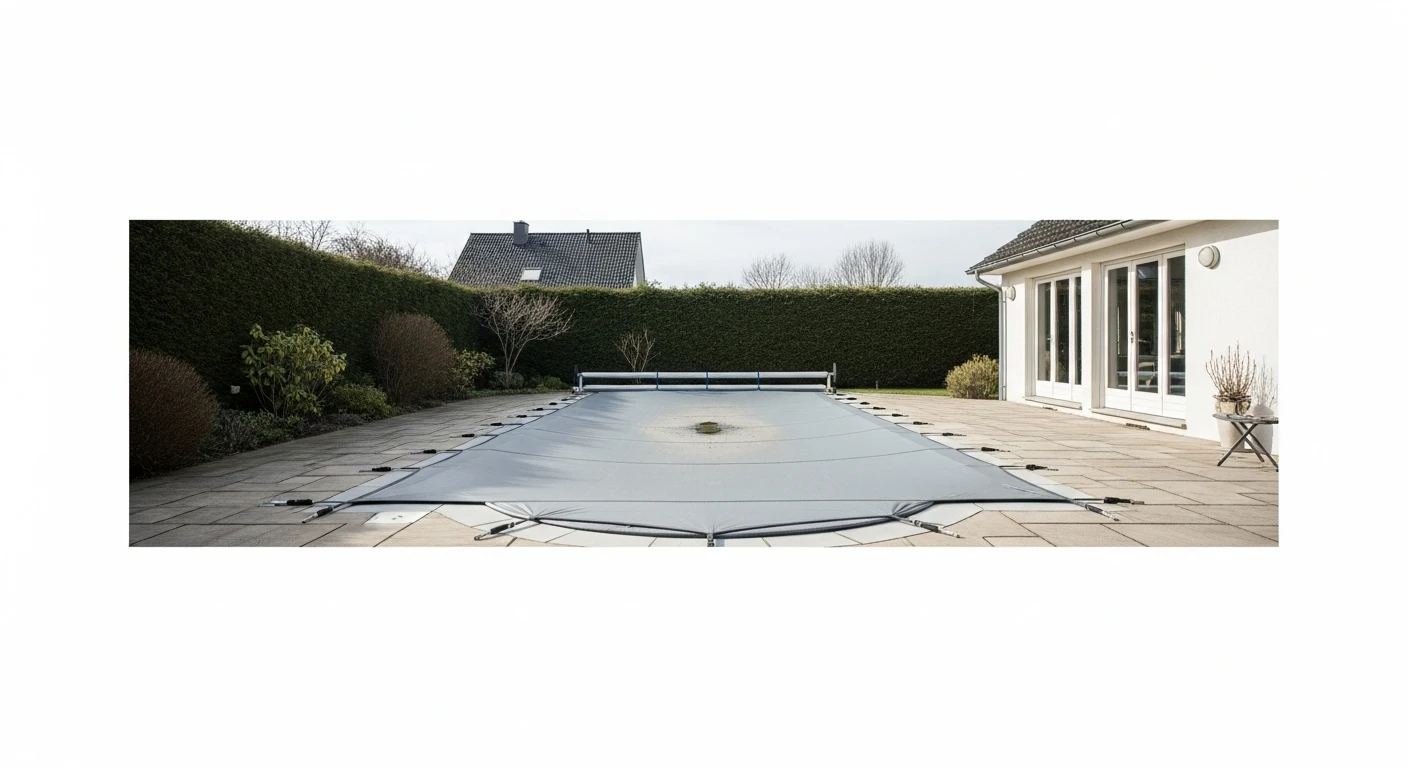
The manufacturer's manual will give you a standard anchor spacing, but this is a guideline based on a perfect, monolithic concrete slab. It doesn't account for the unique stress points of free-form pools or the **shear stress** exerted on pavers set in sand. For these applications, I abandon standard spacing. Instead, I map the cover's tension lines, identifying the straps that will bear the highest load—typically at the tightest radii of a curved pool. At these critical points, I reduce the anchor spacing by up to 15% and specify longer anchors to engage more substrate material. This creates a non-uniform anchoring grid that intelligently manages **load distribution**, preventing focused stress points that lead to paver shifting or concrete spalling over time.
Implementation: The 5-Step Dynamic Tensioning Method
Once the anchor map is finalized, the installation follows a precise sequence. Deviating from this process is how you get uneven tension and sagging.
- Step 1: Anchor Installation & Curing. All anchors are installed based on the custom map. If epoxy anchors are used, we wait the full manufacturer-recommended cure time, often 24 hours. Rushing this is the number one cause of **anchor rotation** and failure.
- Step 2: Initial Cover Layout & "Slack" Attachment. The cover is laid out and every strap is attached to its anchor, but with significant slack. The cover should not be under any tension at this stage.
- Step 3: Incremental Cross-Pattern Tensioning. I use a spring tensioning tool to apply tension in a cross-pattern, much like tightening lug nuts on a wheel. Start at one corner, then do the diagonally opposite corner, followed by the other two corners. We apply only **50% of the target tension** on this first pass.
- Step 4: Secondary & Tertiary Passes. We repeat the cross-pattern, bringing the tension up to 75% on the second pass and finally to **100% on the third pass**. This gradual process allows the cover material to stretch evenly and prevents stress from concentrating in one area.
- Step 5: The 48-Hour Settling & Re-Tensioning. This is the most crucial step and the one almost everyone skips. After 48 hours, the cover material and straps will have settled. I return to the site and re-measure the tension on every strap. It's common to find a 10-20% loss. I then perform a final re-tensioning to bring the entire system back to its optimal specification.
Tags
custom pool covers
custom pool covers for inground pools
custom swimming pool covers
safety nets for swimming pools
Safety Pool Covers FAQ
What is a safety pool cover?
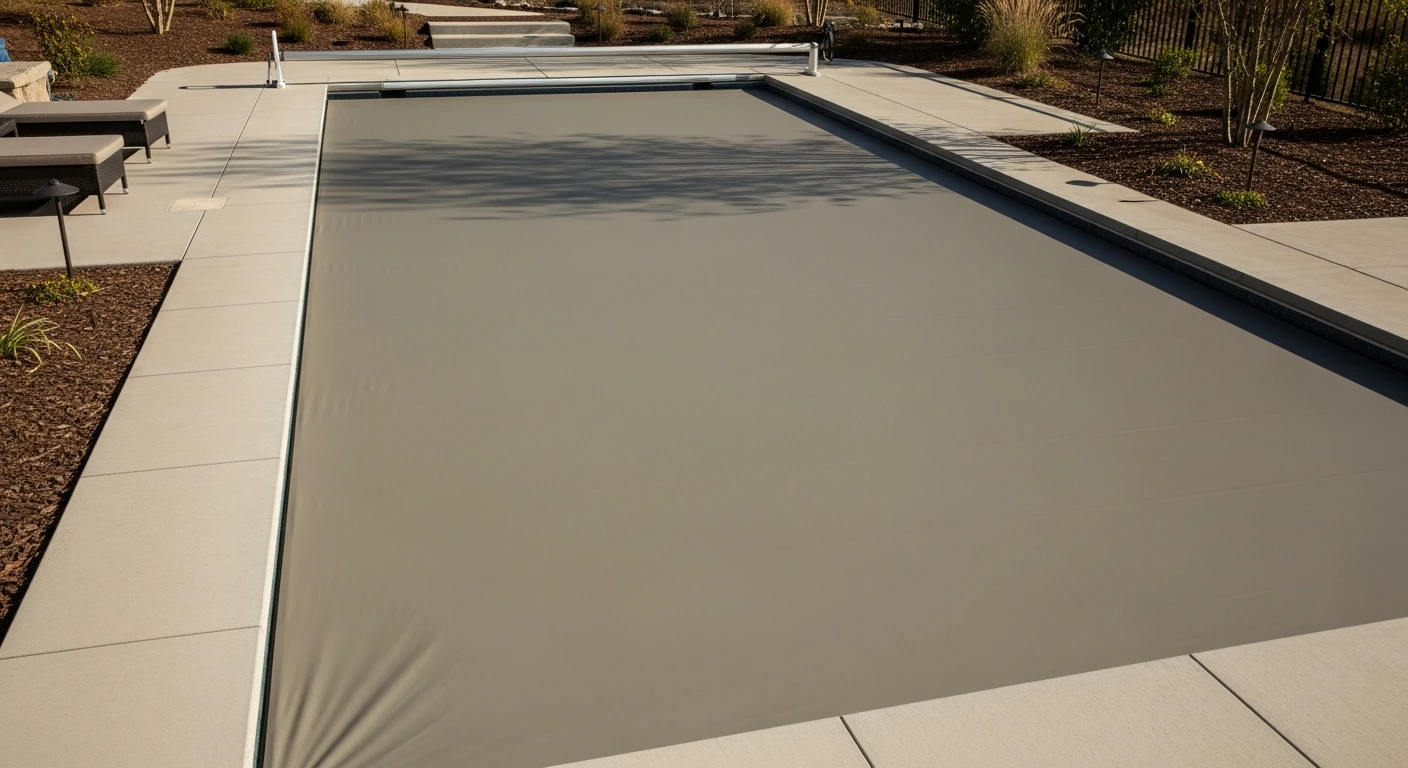
A safety pool cover is a device designed to prevent accidental drowning and entrapment in a swimming pool. It is typically a solid sheet of material that covers the entire surface of the pool, providing a physical barrier between the pool and the surrounding area.
Why are safety pool covers important?
Safety pool covers are important because they significantly reduce the risk of accidental drowning and entrapment in a swimming pool. They also provide a safe and convenient way to maintain a clean and clear pool, as well as reduce the risk of pool chemicals and debris entering the pool.
What types of safety pool covers are available?
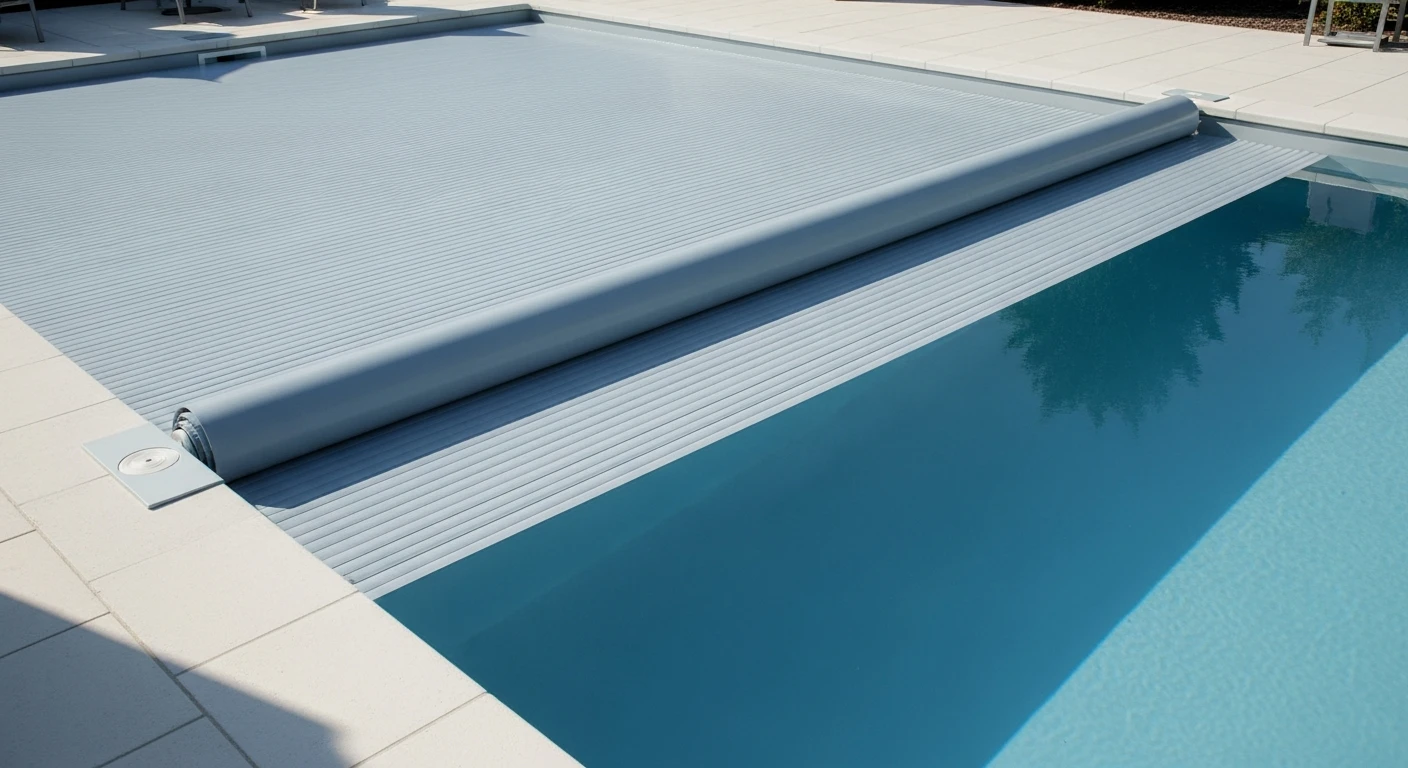
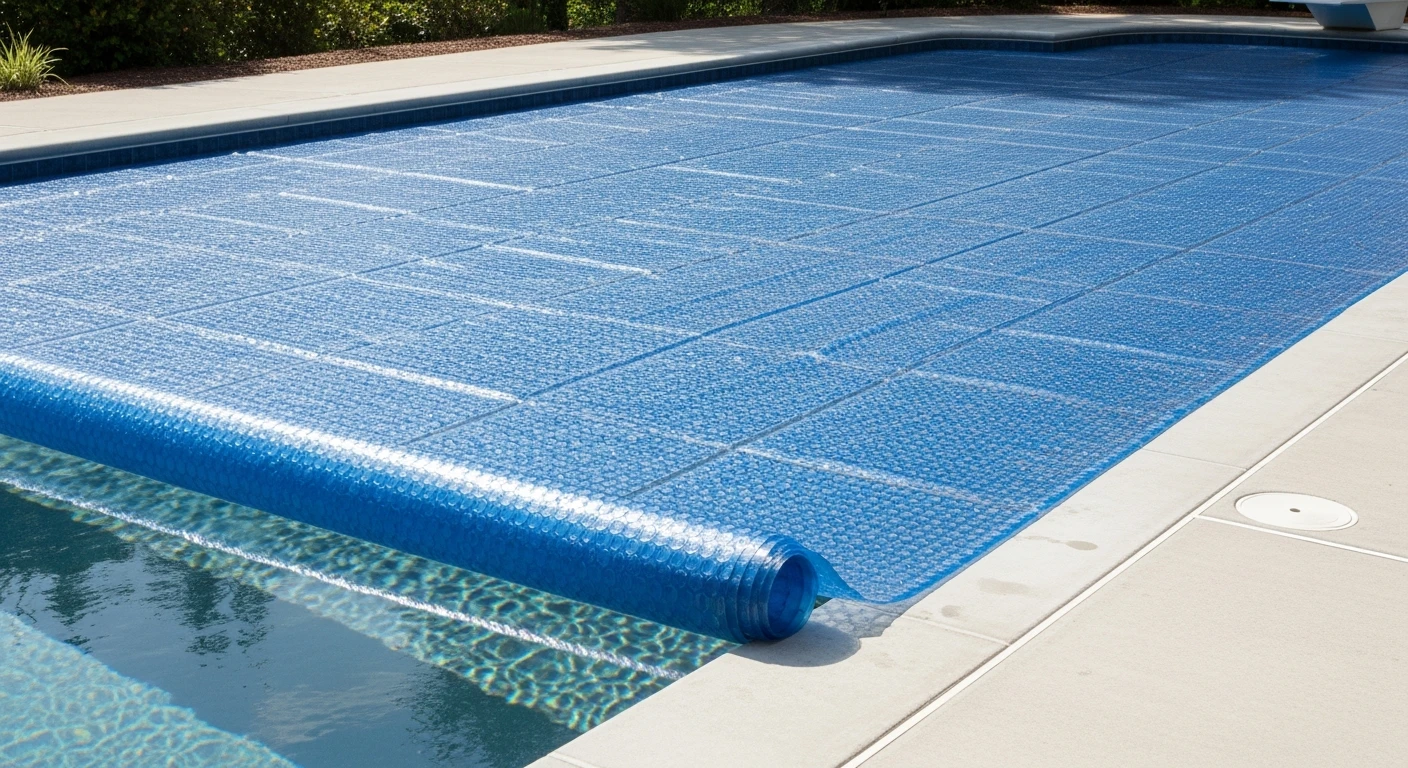
There are several types of safety pool covers available, including automatic pool covers, manual pool covers, and solar pool covers. Automatic pool covers are the most popular type, as they provide the highest level of safety and convenience.
How do automatic pool covers work?
Automatic pool covers use a motorized system to roll the cover across the pool surface. The cover is typically made of a durable material, such as vinyl or polyester, and is designed to provide a tight seal around the pool edges.
What are the benefits of installing a safety pool cover?
The benefits of installing a safety pool cover include reduced risk of accidental drowning and entrapment, reduced maintenance and cleaning time, and increased pool safety and security. Additionally, safety pool covers can also increase the value of a property and provide a sense of peace of mind for pool owners.
How do I choose the right safety pool cover for my pool?
To choose the right safety pool cover for your pool, consider the size and shape of your pool, as well as the type of pool you have (in-ground, above-ground, or fiberglass). Additionally, consider the materials and construction of the cover, as well as the level of safety and security you need.
Can I install a safety pool cover myself?
While it is possible to install a safety pool cover yourself, it is generally recommended to hire a professional to ensure a proper and safe installation. A professional installer will be able to assess your pool and cover the specific needs of your installation.
How often should I maintain my safety pool cover?
Regular maintenance is essential to ensure the safety and effectiveness of your safety pool cover. This includes inspecting the cover for damage or wear, cleaning the cover as needed, and performing routine checks to ensure the cover is functioning properly.
What are the safety features of a safety pool cover?
Safety pool covers are designed with safety features such as sensors, motors, and emergency stop mechanisms to ensure safe and reliable operation. Additionally, many safety pool covers are designed with safety features such as tamper-resistant locking systems and emergency release mechanisms.
Can I use a safety pool cover with a pool heater or other pool equipment?
Yes, safety pool covers can be used with pool heaters and other pool equipment. However, it is important to ensure that the cover is designed specifically for use with these types of equipment and that the equipment is installed and maintained properly.
How much do safety pool covers cost?
The cost of a safety pool cover varies depending on the type and size of the cover, as well as the materials and construction used. On average, safety pool covers can range in price from a few hundred to several thousand dollars.
Are safety pool covers a worthwhile investment?
Yes, safety pool covers are a worthwhile investment for any pool owner who prioritizes pool safety and security. While the initial cost may seem high, the potential benefits and peace of mind provided by a safety pool cover far outweigh the cost.