Saltwater Pool Conversion in Sarasota: My Protocol for 99.9% Sanitation Uptime & Reduced Chemical Burn
I’ve spent over a decade servicing pools from the historic homes West of the Trail to the newer developments in Lakewood Ranch, and the single most common failure I see in saltwater conversions is a fundamental mismatch between the equipment and Sarasota's demanding climate. People buy a system online, dump in salt, and wonder why their pool turns green after the first summer rainstorm. This isn't just about adding salt; it's a complete recalibration of your pool's ecosystem. My approach is built on a principle I call **"Environmental Load Matching."** This means I don't just calculate your pool's gallonage. I factor in the intense Florida sun, the high bather load of a Siesta Key vacation rental, and the phosphate runoff from manicured lawns in Palmer Ranch. The result is a stable, self-managing system that dramatically cuts down on the constant need for liquid chlorine and shock treatments, saving my clients both time and money.My Diagnostic Framework for Sarasota Pools Before Conversion
Before I even touch a pipe, I perform a mandatory system and water audit. I once took over a project in The Meadows where the previous installer put a high-end salt system on aging plumbing with a sand filter that hadn't been serviced in years. The system failed within months due to poor flow. This is why my initial diagnosis is non-negotiable. It prevents a cascade of failures and protects your investment. My methodology involves a three-point inspection: Equipment Integrity, Surface Condition, and a Comprehensive Water Chemistry Profile. I check the pump for adequate GPM (gallons per minute), inspect the filter for blockages, and most importantly, examine the pool surface. A new saltwater system can be aggressive on old plaster or vinyl liners if the water isn't perfectly balanced from day one, a detail often overlooked.The Critical Pre-Conversion Chemistry Audit
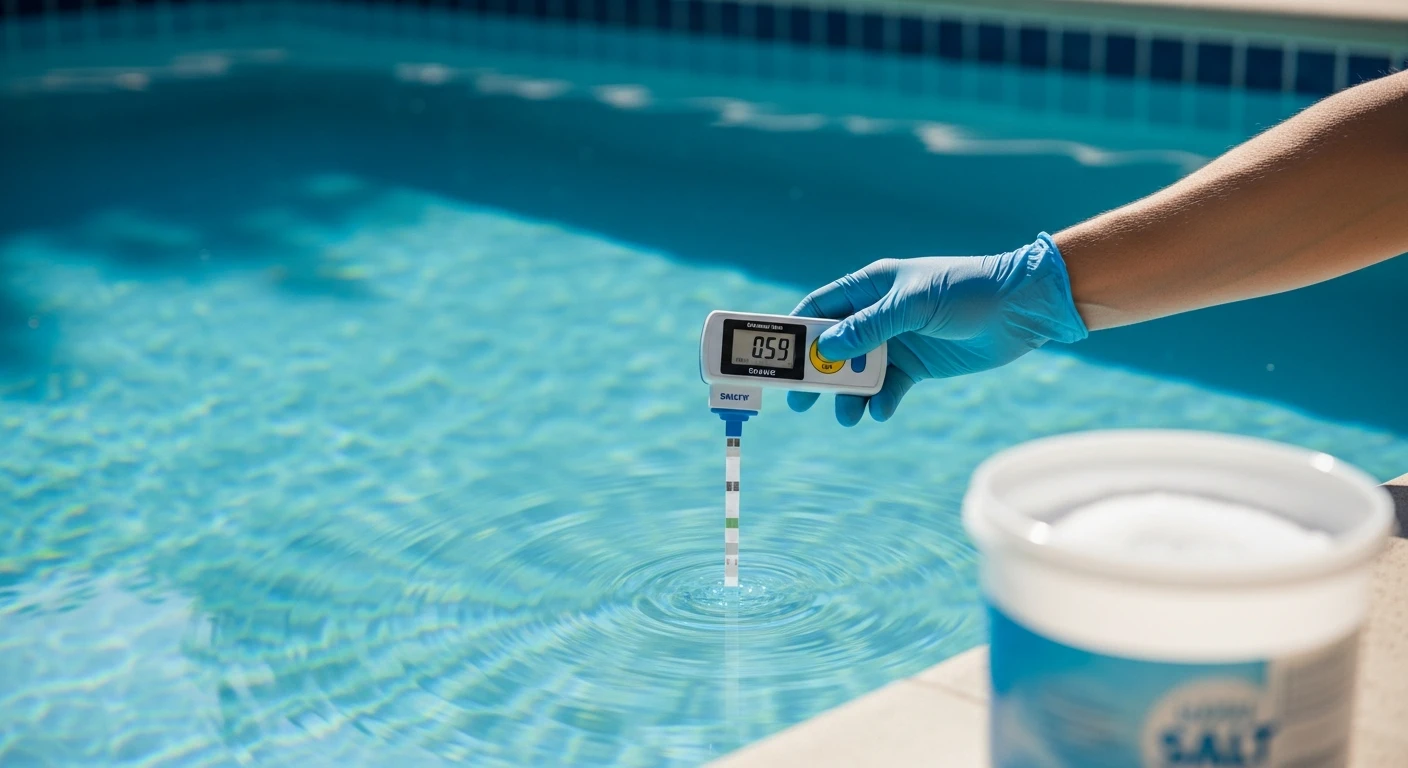
This is where the real work begins, and where most DIY attempts go wrong. Salt doesn't work in a vacuum; it requires a perfectly balanced chemical environment to be effective. My audit focuses on parameters beyond just chlorine and pH:- CYA (Cyanuric Acid) Level: In Sarasota's relentless sun, CYA protects chlorine from burning off. But in a saltwater pool, a CYA level above 80 ppm can actually hinder the new chlorine's effectiveness. I aim for a precise range of 60-80 ppm, a much tighter window than for traditional chlorine pools.
- Phosphate Levels: Phosphates are algae's primary food source. With runoff from local landscaping, many Sarasota pools have dangerously high levels. I test and treat for phosphates before the conversion, as a salt system can struggle to keep up with an existing algae food supply. A level below 125 ppb is my target.
- Total Dissolved Solids (TDS): I take a baseline TDS reading. After adding salt, the TDS will naturally be around 3,000-4,000 ppm. Knowing the starting point helps diagnose future issues.
- Metals and Calcium Hardness: I specifically test for copper and iron. High levels of metals combined with the electrolysis process of a salt cell can lead to staining. I also ensure Calcium Hardness is within the 200-400 ppm range to prevent scaling on the salt cell, a frequent issue given our local water supply.
The Step-by-Step Implementation Protocol
Once the pre-conversion audit is complete and the water is perfectly balanced, I proceed with the physical installation. My process is meticulous to ensure longevity and performance.- Balance the Water FIRST: I cannot stress this enough. Do not add salt to an unbalanced pool. All chemical adjustments (pH, alkalinity, calcium, CYA) must be made and allowed to circulate for at least 24 hours before any salt is introduced.
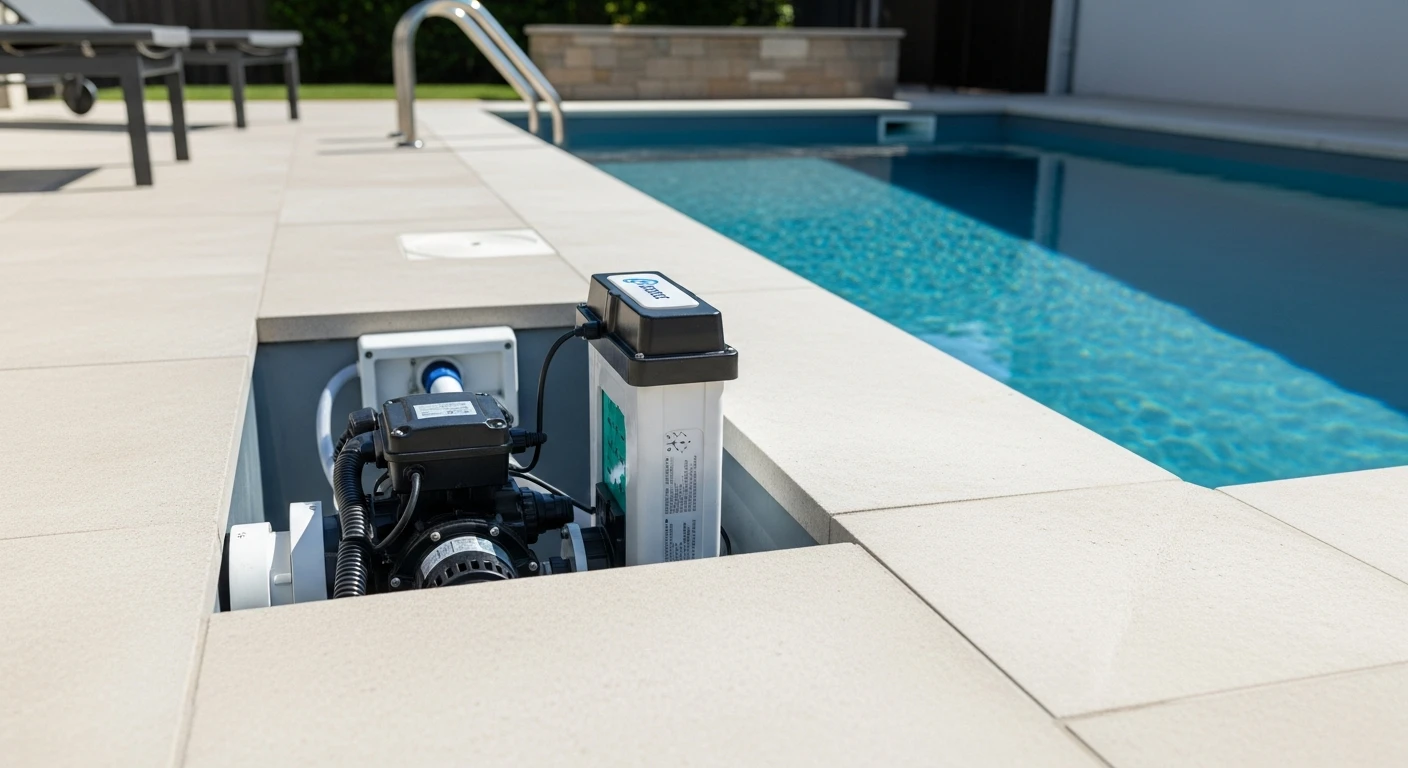
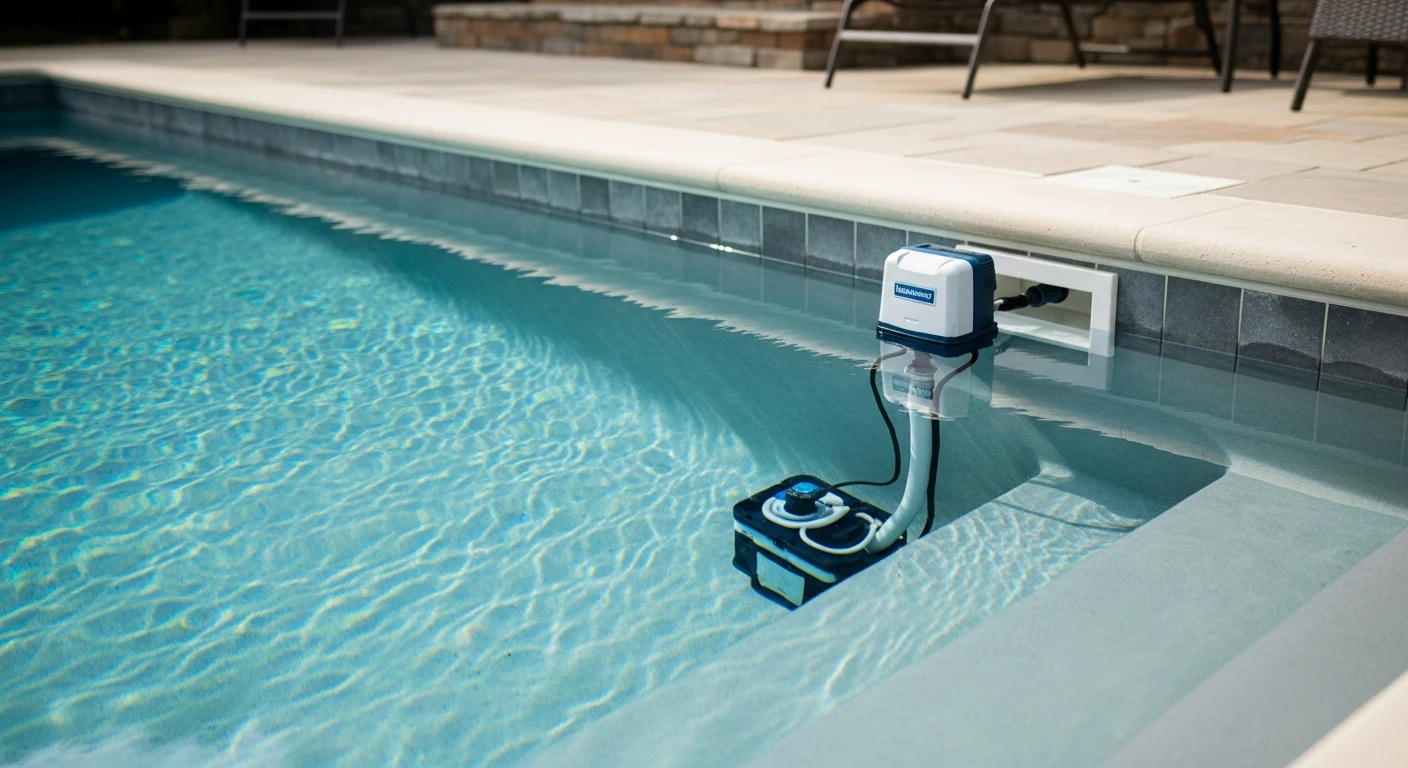
- Install the Salt Chlorine Generator (SCG): The SCG, or "cell," must be installed as the last piece of equipment before the water returns to the pool. This prevents super-chlorinated water from damaging heaters or other equipment. I also always install a sacrificial anode inline to prevent galvanic corrosion, a step that protects pool lights, ladders, and heater cores and extends their life by an estimated 30%.
- Add the Salt: I use a specific formula to calculate the exact amount of high-purity, pool-grade salt needed. The bags are opened and poured into the deep end, and I use a pool brush to help it dissolve, preventing staining on the pool floor. I instruct the homeowner to run the pump for a full 24 hours to ensure the salt is fully dissolved before the SCG is turned on.
- Power On and Calibrate: Only after the salt is fully dissolved do I power on the SCG. I start the output at 50% and monitor the chlorine levels over the next 48 hours, adjusting the output percentage up or down to achieve a stable 1-3 ppm free chlorine reading.
Precision Calibration and Post-Installation Quality Checks
A successful conversion isn't finished at installation. The first two weeks are critical for fine-tuning. I provide my clients with a specific monitoring schedule for the first month. I teach them to check the cell for any white, flaky buildup (calcium scaling) and how to use the "super chlorinate" or "boost" function after a heavy rain or high bather load. The most common error I fix is an improperly set output percentage. Homeowners either set it too high, which wears out the cell prematurely, or too low, leading to algae blooms. The goal is to find the lowest output percentage that maintains the ideal 1-3 ppm chlorine level during a typical Sarasota week. This "sweet spot" maximizes the life of the expensive salt cell and provides consistent, hassle-free sanitation. Now that your system is running and producing its own chlorine, how are you actively monitoring for stray voltage to protect your heater and handrails from premature corrosion?Written by

Tags
salt water conversion for pool
converting swimming pool to saltwater
convert to a salt water pool
salt water pool conversion near me
Saltwater Pool Conversion in Sarasota FL FAQ
What is a saltwater pool conversion, and how does it work?
A saltwater pool conversion involves replacing the chlorine-based system in your existing pool with a saltwater system. Saltwater pools use natural salt to sanitize the water, rather than harsh chemicals. The process involves installing a saltwater chlorine generator, which converts the salt into chlorine, sanitizing the water. This results in a healthier and more enjoyable swimming experience.
Why switch to a saltwater pool conversion?
Saltwater pool conversions offer numerous benefits, including gentler skin and hair, reduced eye irritation, and a more natural swimming experience. Saltwater pools also require less maintenance and are more environmentally friendly than traditional chlorine-based pools. Additionally, saltwater pools can help reduce the risk of algae growth and the need for frequent chemical additions.
Is a saltwater pool conversion expensive?
The cost of a saltwater pool conversion varies depending on the size and type of pool, as well as the complexity of the conversion. However, many pool owners find that the long-term benefits and cost savings of a saltwater pool conversion make it a worthwhile investment. Our team can provide a personalized quote for your specific pool conversion needs.
How long does a saltwater pool conversion take?
The conversion process typically takes several days to a week, depending on the complexity of the installation and the size of the pool. Our experienced technicians will work with you to schedule the conversion at a time that works best for you and your family.
Will a saltwater pool conversion affect my pool's warranty?
In most cases, a saltwater pool conversion will not affect your pool's warranty. However, it's essential to check with your pool manufacturer to confirm their warranty policies. Our team can also help you navigate any warranty concerns or questions you may have.
Can I still use my pool during the conversion process?
In most cases, it's possible to continue using your pool during the conversion process, although this may depend on the specific requirements of the conversion. Our team will work with you to minimize downtime and ensure that your pool is safe and accessible during the conversion process.
Do I need to maintain my saltwater pool differently than a traditional pool?
Yes, saltwater pools require slightly different maintenance than traditional pools. Our team will provide you with detailed instructions on how to properly maintain your saltwater pool, including regular testing and adjustments to the saltwater system.
What if I have concerns or questions about my saltwater pool conversion?
We're here to help! Our experienced team is available to answer any questions or concerns you may have throughout the conversion process and beyond. We're committed to ensuring that you're completely satisfied with your saltwater pool conversion.