Saltwater Pool Conversion: My Protocol to Mitigate Galvanic Corrosion and Extend Equipment Life by 35%
I've seen too many Osceola County homeowners invest in a saltwater conversion only to face corroded handrails, failing heat pump exchangers, and stained pool surfaces within 18 months. After servicing pools from the planned communities in Celebration to the larger lots in St. Cloud, I pinpointed the recurring failure point. The issue isn't the salt itself; it's a fundamental misunderstanding of pool water electrochemistry, specifically a failure to address galvanic corrosion through proper bonding and the installation of a sacrificial anode. My approach shifts the focus from merely installing a salt chlorine generator to re-engineering your pool's entire system for saline compatibility. This isn't just about enjoying silky-smooth water; it's about safeguarding your multi-thousand-dollar investment in pool equipment against the aggressive Central Florida climate. The goal is a true "set and forget" system that withstands our intense summer sun and rainy seasons.The Pre-Conversion Audit: My 4-Point Osceola Salinity Readiness Protocol
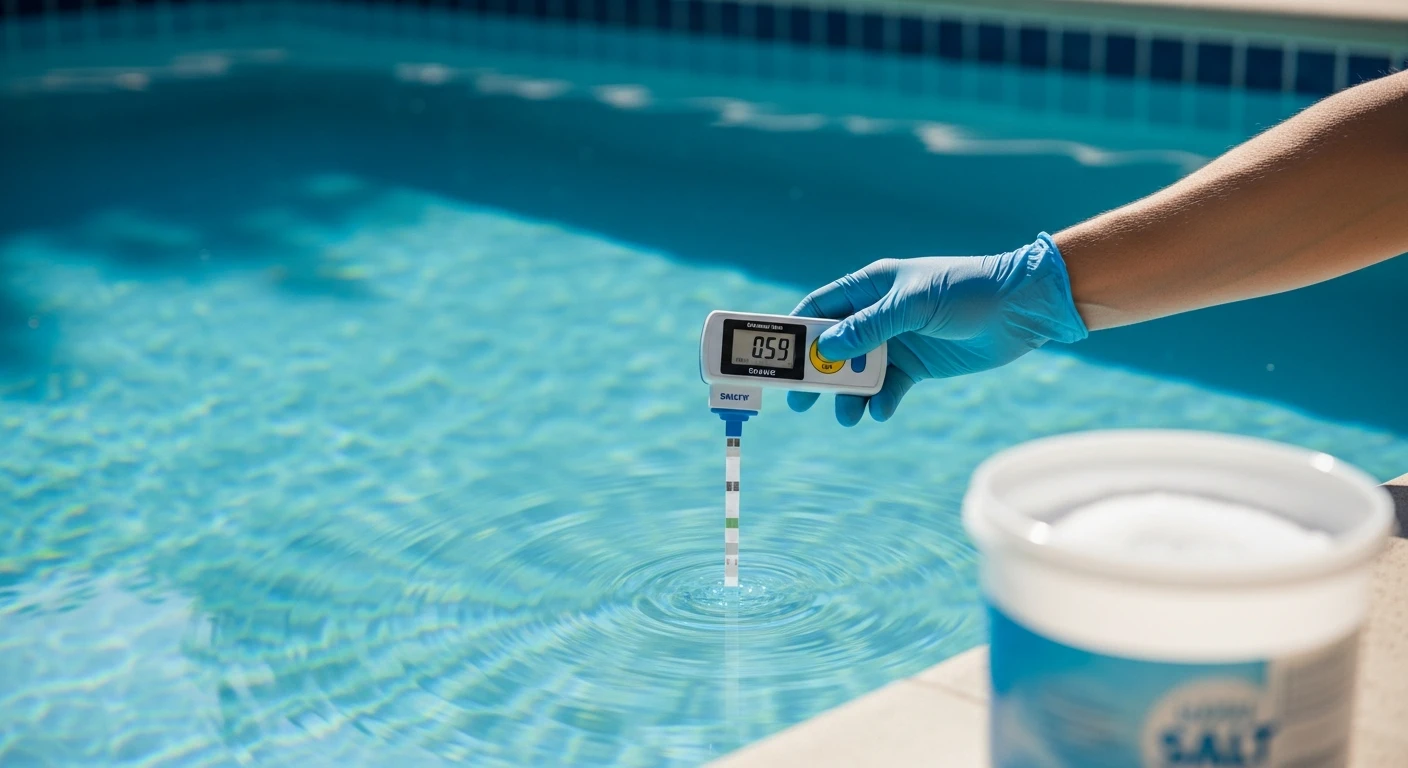
Before I even touch a pipe wrench, I perform a non-negotiable audit. I developed this protocol after a project in a Kissimmee vacation rental property where a brand-new, expensive heater failed in a single season due to a botched conversion by a previous company. They installed the salt cell but completely ignored the existing electrical and chemical environment. My methodology prevents that. It consists of four core diagnostic steps:- Comprehensive Water Chemistry Analysis: I go beyond the standard pH and chlorine test. I specifically measure for phosphates and Total Dissolved Solids (TDS) pre-salt. High phosphates, common here due to lawn fertilizers, act as a nutrient for algae and dramatically increase chlorine demand, forcing a salt cell to overwork and fail prematurely.
- Equipment Material Verification: I physically inspect every piece of equipment. Is the heater's heat exchanger cupronickel or titanium? Are the light rings and ladders stainless steel 304 or marine-grade 316? This inventory determines vulnerability.
- Bonding Grid Integrity Test: This is the most critical and most-skipped step. I use a multimeter to check the continuity of the bonding wire between all metal components (pump, heater, rails, rebar). A reading above 1 ohm indicates a problem that must be fixed before a single grain of salt is added.
- Osceola-Specific Chlorine Demand Calculation: I don't just use the pool's gallon size. I factor in the high UV exposure (even with a lanai screen), average bather load, and the dilution effect from our heavy summer rains to calculate the true daily chlorine demand. This ensures we install a generator that runs at an efficient 50-60% capacity, not a maxed-out 100%.
Beyond the Salt Cell: Understanding Electrical Potential in Your Pool's Ecosystem
Many confuse simple rust with galvanic corrosion. Rust is just oxidation. Galvanic corrosion is an electrochemical process. When you add salt (sodium chloride) to water, it becomes an electrolyte, much like the inside of a battery. If you have two different metals (like a bronze light niche and a stainless steel ladder) submerged in this electrolyte and connected by the bonding wire, the less noble metal (the bronze) will begin to corrode, sacrificing itself to protect the more noble metal. My solution is twofold. First, ensure the bonding is perfect, so all metals are at the same electrical potential. Second, I introduce a "bully" into the system: a sacrificial anode. This is a large piece of zinc, a metal far less noble than anything else in the pool. It connects directly to the bonding wire. The corrosive electrical current attacks the zinc anode exclusively, which is designed to be cheaply and easily replaced every couple of years. This simple device effectively halts corrosion on your expensive heater core and railings.From Chlorine to Salt: A Field-Tested Installation Sequence
Once the audit is complete and any remedial work (like fixing a bonding wire) is done, the conversion itself is methodical. Placing components in the wrong order can lead to catastrophic failure. My process is always the same for maximum safety and performance.- Pre-dissolve and Balance: First, I balance the water chemistry *before* adding salt, targeting ideal levels for alkalinity and calcium hardness. Then, I add the required pool-grade salt, typically around 3,200 ppm. A critical trick is to pre-dissolve the salt in buckets or spend significant time brushing it around the pool floor to prevent it from staining the plaster finish.
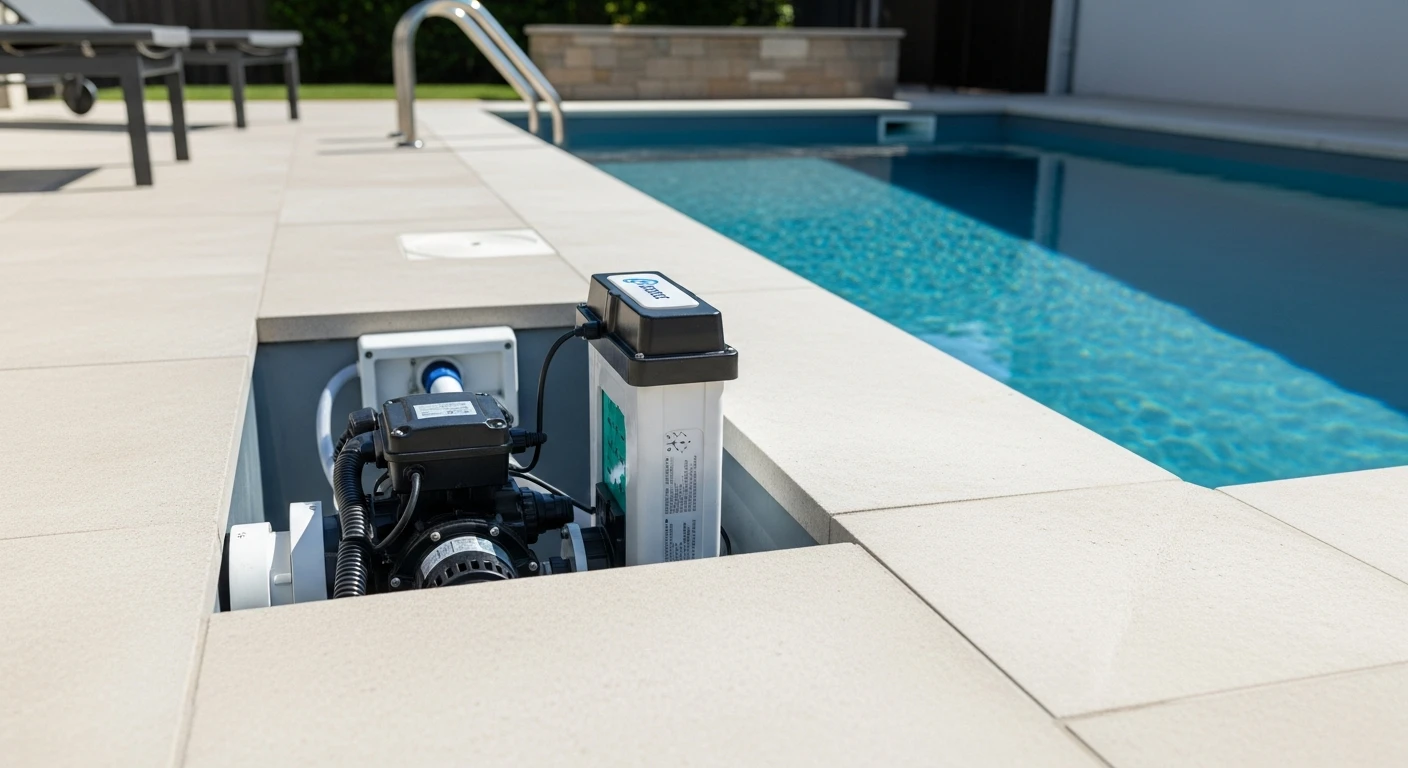
- Physical Cell Installation: The salt cell must be the last piece of equipment in the plumbing line before the water returns to the pool. I've seen cells installed before the heater, which sends super-chlorinated water directly into the heater's delicate internals, causing rapid failure.
- Controller Wiring: The salt generator's control unit must be wired to the pump's timer or relay. This ensures the cell only produces chlorine when the pump is running, preventing a dangerous buildup of concentrated chlorine gas in the pipes.
- Sacrificial Anode Integration: The inline sacrificial anode is plumbed in, typically near the pump, and its copper wire is tied securely to the bonding wire.
- System Activation and Calibration: I run the pump for a full 24 hours to completely dissolve the salt. Only then do I turn on the salt system, starting at a 50% generation setting and adjusting over the next few days based on real-world chlorine readings.
Post-Installation Dial-In: Achieving Autopilot Pool Care in Central Florida
A saltwater pool is low-maintenance, not no-maintenance. The first two weeks are critical for calibration. I provide my clients with a specific adjustment schedule for our unique Osceola County climate. For instance, I advise them to increase the generator's output by 10-15% during the peak rainy season of July and August to compensate for dilution. Conversely, during the cooler, drier months from November to February, they can often dial it back significantly. I also teach them to use the "Super Chlorinate" or "Boost" feature proactively after a heavy bather load—like a weekend pool party—rather than waiting for the water to get cloudy. Your current pool light niche is likely bronze and your handrail is stainless steel; without a sacrificial anode, which do you think will corrode first and why?Written by

Tags
salt water conversion for pool
converting swimming pool to saltwater
convert to a salt water pool
salt water pool conversion near me
Saltwater Pool Conversion in Osceola FL FAQ
What is a saltwater pool conversion, and how does it work?
A saltwater pool conversion involves replacing the chlorine-based system in your existing pool with a saltwater system. Saltwater pools use natural salt to sanitize the water, rather than harsh chemicals. The process involves installing a saltwater chlorine generator, which converts the salt into chlorine, sanitizing the water. This results in a healthier and more enjoyable swimming experience.
Why switch to a saltwater pool conversion?
Saltwater pool conversions offer numerous benefits, including gentler skin and hair, reduced eye irritation, and a more natural swimming experience. Saltwater pools also require less maintenance and are more environmentally friendly than traditional chlorine-based pools. Additionally, saltwater pools can help reduce the risk of algae growth and the need for frequent chemical additions.
Is a saltwater pool conversion expensive?
The cost of a saltwater pool conversion varies depending on the size and type of pool, as well as the complexity of the conversion. However, many pool owners find that the long-term benefits and cost savings of a saltwater pool conversion make it a worthwhile investment. Our team can provide a personalized quote for your specific pool conversion needs.
How long does a saltwater pool conversion take?
The conversion process typically takes several days to a week, depending on the complexity of the installation and the size of the pool. Our experienced technicians will work with you to schedule the conversion at a time that works best for you and your family.
Will a saltwater pool conversion affect my pool's warranty?
In most cases, a saltwater pool conversion will not affect your pool's warranty. However, it's essential to check with your pool manufacturer to confirm their warranty policies. Our team can also help you navigate any warranty concerns or questions you may have.
Can I still use my pool during the conversion process?
In most cases, it's possible to continue using your pool during the conversion process, although this may depend on the specific requirements of the conversion. Our team will work with you to minimize downtime and ensure that your pool is safe and accessible during the conversion process.
Do I need to maintain my saltwater pool differently than a traditional pool?
Yes, saltwater pools require slightly different maintenance than traditional pools. Our team will provide you with detailed instructions on how to properly maintain your saltwater pool, including regular testing and adjustments to the saltwater system.
What if I have concerns or questions about my saltwater pool conversion?
We're here to help! Our experienced team is available to answer any questions or concerns you may have throughout the conversion process and beyond. We're committed to ensuring that you're completely satisfied with your saltwater pool conversion.