Saltwater Pools Osceola County: My Protocol for Eliminating Algae Bloom Cycles & Extending Salt Cell Life by 30%
As a pool specialist focusing on Osceola County for over a decade, I've seen a recurring and expensive mistake homeowners make when converting to or maintaining a saltwater pool. The primary focus is always on the salt chlorinator itself, while the true performance driver—the water's chemical stability against our unique climate—is almost completely ignored. My entire approach is built on correcting this fundamental error, a system I perfected after diagnosing a series of premature cell failures in vacation rental properties in the Kissimmee and Celebration area, where pool uptime is non-negotiable. The problem isn't the salt system; it's the environment. The intense Osceola sun rapidly degrades chlorine, and our sudden, heavy summer downpours constantly dilute the water, throwing salinity and stabilizer levels into chaos. This forces the salt cell to work at 100% output just to keep up, drastically shortening its lifespan and creating the perfect conditions for mustard and green algae blooms. My methodology focuses on creating a highly buffered water environment that acts as a fortress for your salt system, ensuring consistent performance and clarity with minimal intervention.The Core Misdiagnosis in Osceola Saltwater Conversions
The prevailing belief is that a saltwater pool is a "set it and forget it" system. This is a myth that costs Osceola residents thousands in replacement parts and emergency chemical treatments. I identified the pattern after analyzing water logs from dozens of pools, from single-family homes in St. Cloud to high-traffic pools in Reunion. The common denominator wasn't a faulty salt cell; it was a complete neglect of the symbiotic relationship between three key metrics that are particularly volatile in our region. My proprietary method, the Dynamic Stability Protocol, shifts the focus from chasing chlorine levels to proactively managing the chemical buffers that protect it. Instead of reacting to a green pool, we engineer the water to resist the very factors that cause it to turn green in the first place. This means maintaining slightly different chemical ranges than the generic advice found on pool store pamphlets, specifically tailored for Central Florida's high UV index and rainfall patterns.The Chemistry Triad: Salinity, CYA, and Total Alkalinity
Understanding how these three elements interact is the key to unlocking the true low-maintenance potential of a saltwater pool in this climate. I insist my clients master this, as it's the foundation of long-term success.- Salinity (Parts Per Million - PPM): Most salt systems recommend 3,000-3,400 ppm. For Osceola County, I have found that maintaining a baseline of 3,400-3,600 ppm provides a critical buffer. When a 2-inch downpour hits your Poinciana home, this slightly higher concentration prevents the salinity from dropping below the cell's minimum operating threshold, avoiding a system shutdown and the subsequent algae bloom.
- Cyanuric Acid (CYA): This is the 'sunscreen' for your chlorine. The intense Florida sun will destroy unstabilized chlorine in hours. I’ve seen pools with perfect salinity and new cells turn green because the CYA was below 50 ppm. My protocol mandates a CYA level of 70-80 ppm for saltwater pools here, a range often considered high elsewhere but essential for protecting the chlorine generated by your cell from our relentless UV exposure.
- Total Alkalinity (TA): This is the buffer for your pH. Our rain is often acidic, causing sharp drops in pH that increase corrosion and reduce chlorine effectiveness. I’ve traced equipment corrosion on lanais back to unstable TA. Maintaining a TA of 90-110 ppm creates a stable environment, preventing pH swings and protecting your pool surface and equipment.
Implementation: My 4-Step System for a Resilient Osceola Pool
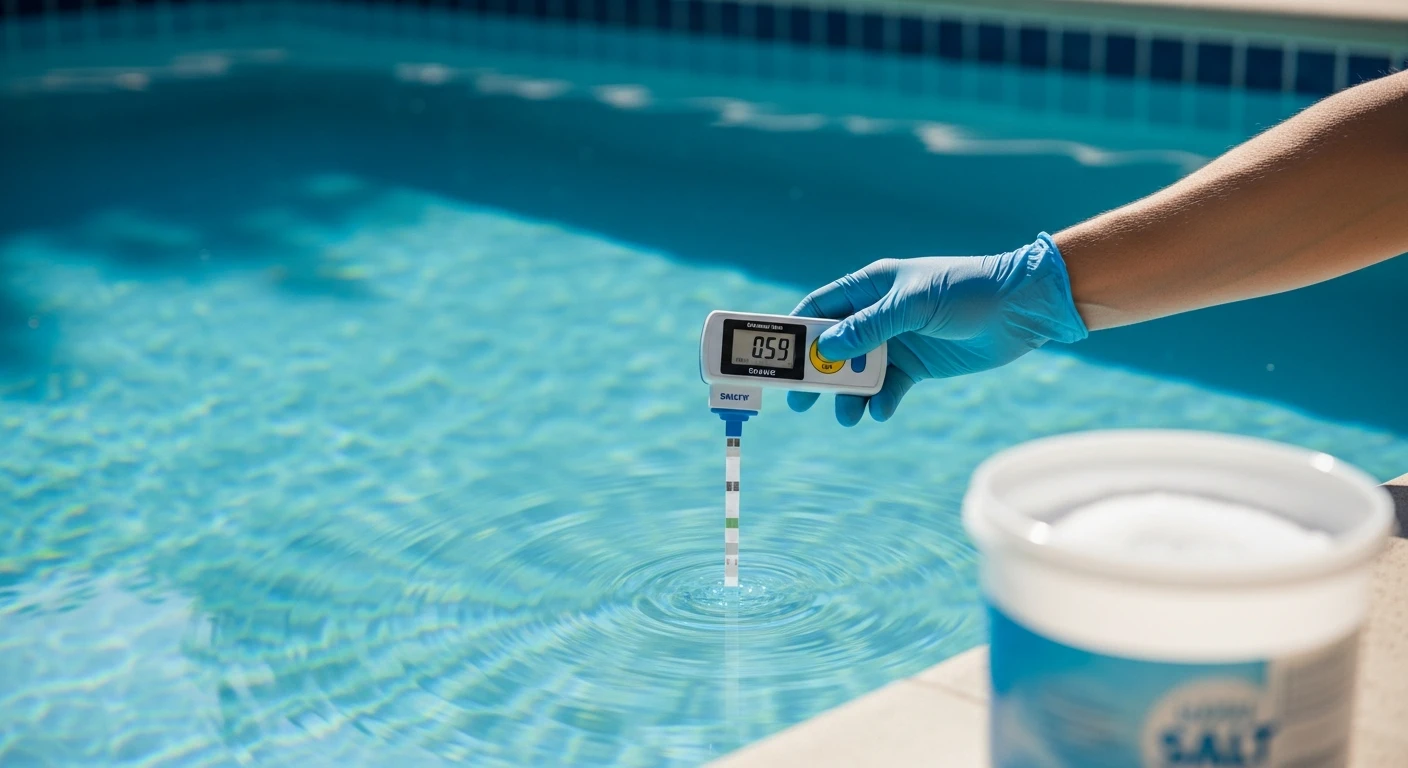
Bringing a pool into compliance with the Dynamic Stability Protocol is a precise, ordered process. Skipping a step or getting the order wrong will yield poor results. This is the exact sequence I use on-site.- Perform a Baseline Chemical Audit: Before adding a single grain of salt, I conduct a full test using a professional-grade kit like the Taylor K-2006, not simple test strips. We need exact readings for Free Chlorine, Combined Chlorine, pH, Total Alkalinity, Calcium Hardness, and Cyanuric Acid. This gives us the starting point.
- Balance Buffers First, Salt Last: The most common error is adding salt to unbalanced water. First, I adjust Total Alkalinity using sodium bicarbonate. Second, I adjust pH. Third, and critically, I raise CYA to the 70-80 ppm target range. Only when these foundational elements are stable do I calculate and add the required salt to reach the 3,400-3,600 ppm target.
- Calibrate the Salt Chlorinator: Once the water is perfectly balanced and the salt is dissolved, you must re-calibrate your salt system. The control module needs to read the new, correct salinity level to function efficiently. Failing to do this can cause inaccurate readings and either under- or over-production of chlorine.
- Establish a Hyper-Local Testing Cadence: I instruct clients to abandon the generic "test once a week" advice. During the rainy season (May-September), you must test salinity and pH after every major rainstorm. This 5-minute check is what separates a sparkling pool from a swamp.
Precision Tuning for Longevity and Performance
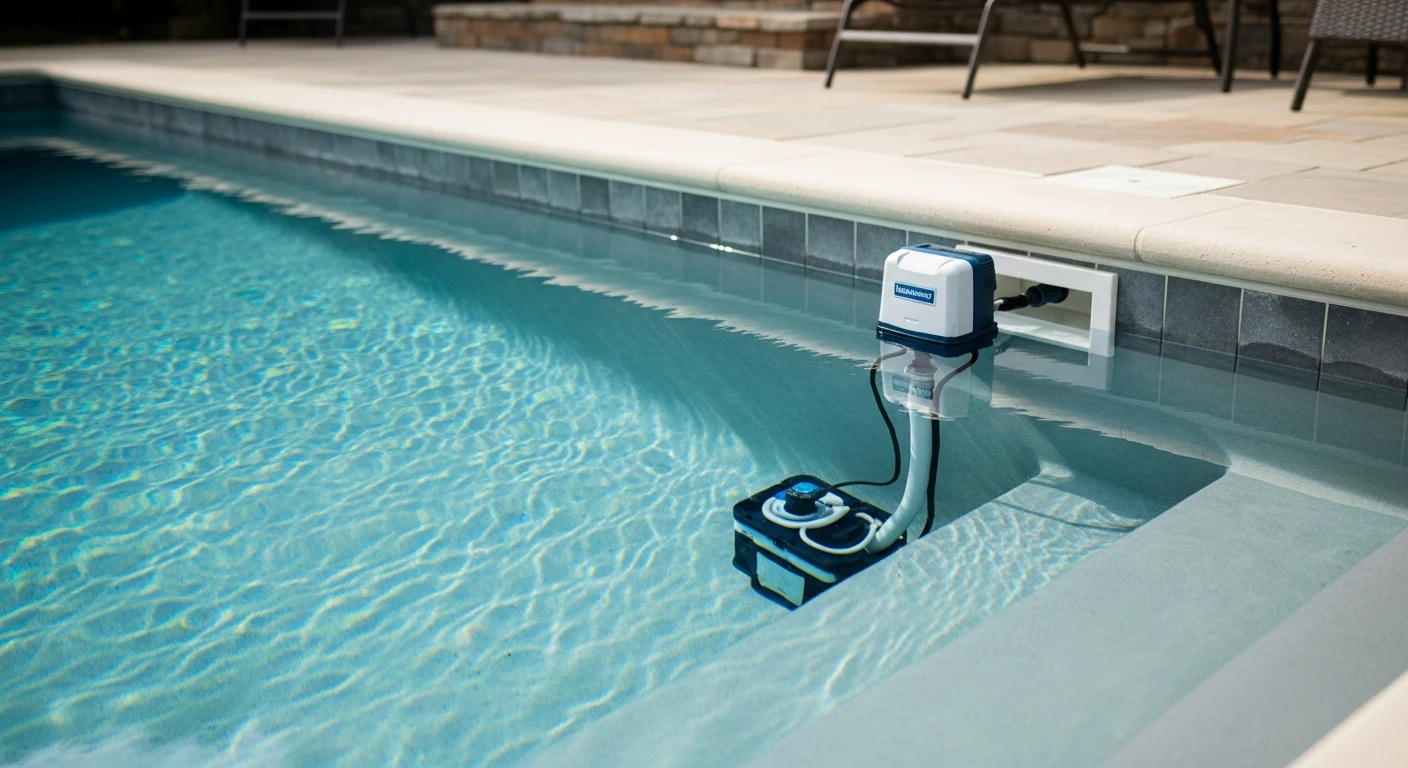
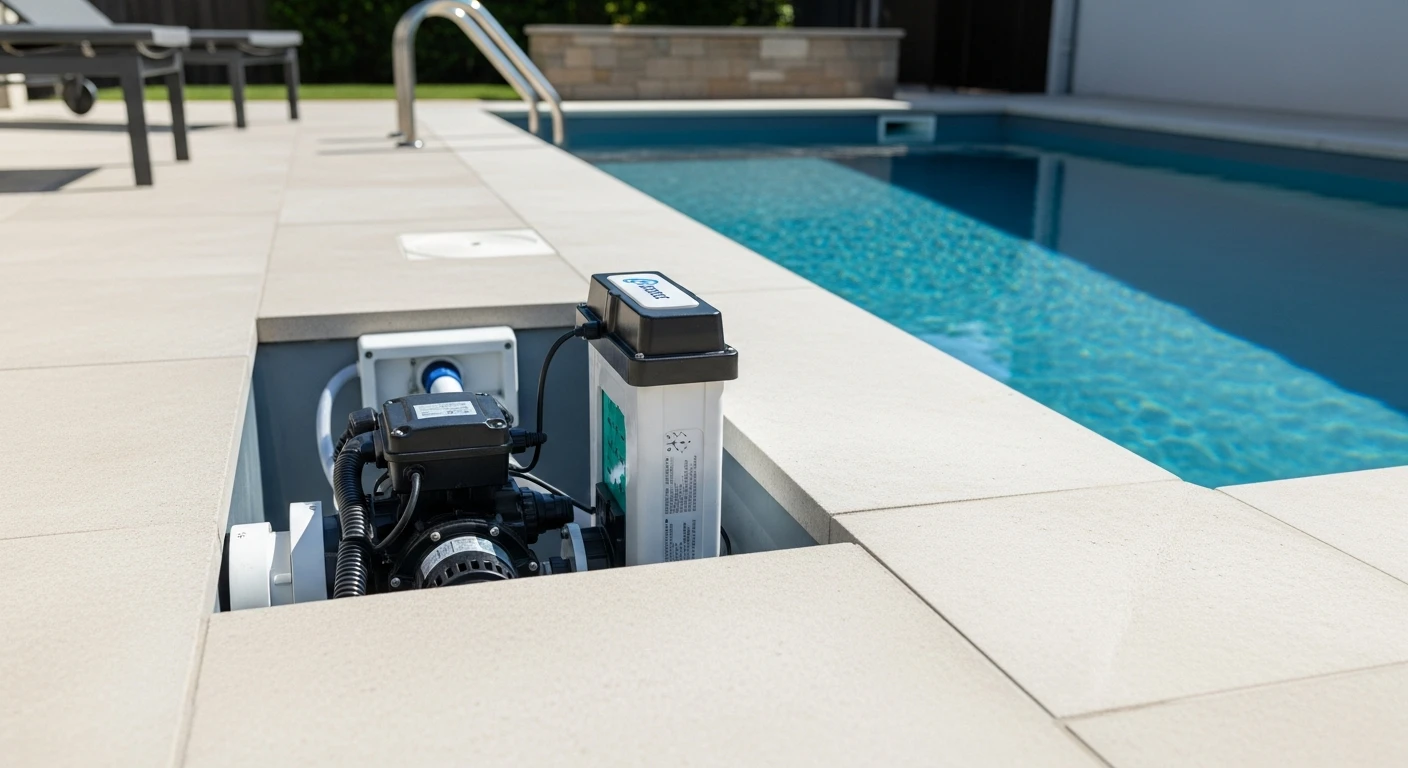
With the water chemistry stabilized, the final step is optimizing the equipment itself. A properly balanced pool should not require the salt cell to run at high percentages. I always check the chlorinator's output percentage. In a pool balanced with my protocol, the cell should typically run at 20-50% output to maintain a 2-4 ppm free chlorine level. If it's constantly running at 80% or higher, it’s a red flag that the CYA is too low or the salinity has dropped. Furthermore, I mandate a bi-annual inspection and cleaning of the cell plates. The calcium buildup common in our water supply can insulate the plates, crippling chlorine production. A simple acid wash can restore a cell to full functionality and is a core part of preventative maintenance. Now that your water chemistry is fortified against Osceola's climate and your equipment is calibrated, have you analyzed how your variable-speed pump's flow rate and runtime schedule are directly impacting the efficiency and lifespan of your salt cell?Written by

Tags
best salt water pool system
best pool salt system
salt water system
Switching to a saltwater system
Saltwater Pools in Osceola FL FAQ
Is a saltwater pool really chlorine-free and better for my skin?
No, a saltwater pool is not chlorine-free; it uses a salt chlorine generator to create its own chlorine from salt. The process produces a more stable and less harsh form of chlorine, which is why it feels softer on the skin and eyes and lacks the strong chemical odor of traditional pools. This on-site production avoids the need to handle and store liquid or tablet chlorine. However, the water must still be tested and balanced regularly, maintaining a pH between 7.2 and 7.6 to ensure the chlorine produced is effective and non-corrosive.
Will the salt damage my concrete pool deck, coping, and equipment?
Yes, salt is corrosive and can damage certain materials over time if they are not properly selected and maintained. Porous materials like natural stone coping and unsealed concrete decking are particularly vulnerable to salt crystal formation and spalling. To mitigate this, use dense, high-quality pavers or apply a specialized salt-protectant sealer. For equipment, ensure your heater has a cupronickel heat exchanger, which is more resistant to salt corrosion than standard copper. Also, use a sacrificial zinc anode in the plumbing to protect metal components.
My 'Check Salt' light is on, but my salt level tests fine. What's wrong?
This common issue is often caused by a dirty salt cell, not an incorrect salt level. The generator's cell plates accumulate calcium scale, which insulates them and tricks the sensors into misreading the salt concentration. Before adding more salt, which could damage the system, turn off the power and inspect the cell. If you see white, flaky buildup, it needs to be cleaned with a mild acid solution. Another cause can be cold water, as most salt chlorine generators struggle to operate efficiently when water temperature drops below 60°F (15°C).
Why is my saltwater pool still turning green or cloudy?
Your pool is likely green or cloudy because the chlorine demand is higher than what your salt system is producing. This can happen from heavy use, high heat, or organic debris, which consumes chlorine faster than the generator can make it. Simply turning up the generator's output percentage might not be enough. You may need to use the 'super chlorinate' or 'boost' function for 24 hours. Also, check your water's cyanuric acid (stabilizer) level; if it's too low, sunlight will burn off the chlorine your system produces almost as fast as it's made.
Can I convert my existing vinyl liner or fiberglass pool to salt?
Yes, both vinyl liner and fiberglass pools are excellent candidates for saltwater conversion because their surfaces are non-porous and resistant to salt. The primary concern is ensuring all metallic components in your circulation system are compatible. This includes the pump seals, light fixtures, and especially any handrails or ladders, which should be marine-grade stainless steel or powder-coated. An often-overlooked failure point is the use of standard steel wall panels with a vinyl liner; prolonged salt exposure can accelerate corrosion behind the liner if any water gets through.
How often do I need to add more salt to the pool?
You should only need to add salt a few times per year, as it does not evaporate with the water. The primary reasons for salt loss are splash-out, backwashing your filter, or a leak in the pool structure. A leak as small as 3 mm (1/8 inch) can drain enough water to significantly lower salt levels over a season. Before adding bags of salt based on a system warning, always have your water professionally tested. Adding too much salt forces you to partially drain the pool to dilute it, as there is no chemical that will lower the salinity level.