Saltwater Pool Systems in Pinellas County: A Protocol to Prevent Catastrophic Galvanic Corrosion
For years, I've seen Pinellas County homeowners make the switch to saltwater pools thinking it's a "set it and forget it" solution. The appeal is understandable, especially in places like Dunedin or Treasure Island where the goal is maximum relaxation. However, this misconception often leads to a silent, costly failure I've had to mitigate on countless projects: galvanic corrosion. This electrochemical process, supercharged by our salty air and specific water chemistry, can destroy heaters, ladders, and even rebar within your pool's shell. My entire approach isn't just about creating soft, silky water; it's about building a balanced ecosystem that protects the expensive infrastructure around it. The standard advice you'll find online is dangerously incomplete for our unique coastal environment. My methodology focuses on preemptively neutralizing the corrosive nature of a saltwater system in a high-humidity, salt-air region like ours.My Diagnostic Framework for Pinellas County's Unique Pool Environment
Before I even discuss a salt chlorinator, I perform a site-specific audit. A pool in a waterfront St. Pete home has a fundamentally different environmental load than one tucked away in a Largo subdivision. The biggest error I see is applying a one-size-fits-all approach. My proprietary diagnostic focuses on three core variables that dictate the long-term success of a saltwater system here. First, I assess the Atmospheric Salinity Impact. The salt from the Gulf air acts as a constant, low-level corrosive agent on all metal components, especially in unscreened pools in Clearwater Beach. This creates a baseline of electrical potential that most installers ignore. Second, I model the Water Chemistry Drift. Our intense sun and heavy afternoon thunderstorms create a volatile environment. The sun burns off chlorine, demanding more from your cell, while rain constantly dilutes salinity levels, causing wild fluctuations. Finally, I audit the Equipment Material Integrity, checking for dissimilar metals (like a stainless steel ladder and a bronze pump housing) that create a natural battery, accelerating corrosion.Decoding Salinity, CYA, and Calcium Hardness Under the Florida Sun
Getting the water chemistry right is more than just adding salt. It's a precise balancing act tuned for our climate. The magic number for salinity levels isn't a wide range; for most modern cells operating in our heat, I target a precise 3,400 ppm (parts per million). Dropping below 3,000 ppm strains the cell, while going over 4,000 ppm dramatically increases the water's conductivity and corrosion risk. The most critical, and often misunderstood, component is cyanuric acid (CYA), the stabilizer. Without it, the Pinellas sun will destroy the chlorine your salt cell produces in a matter of hours. While inland pools might get away with 30-50 ppm, I maintain a level of 70-80 ppm for pools with high sun exposure. This provides a crucial shield, allowing your salt cell to run at a lower, more efficient percentage, extending its lifespan by a potential 25-30%. For calcium, the target for our plaster and pebble surfaces is 200-400 ppm to prevent scaling inside the expensive salt chlorinator cell.The Step-by-Step Implementation for a Corrosion-Proof System
Once the diagnostics are complete, the implementation follows a strict protocol I developed after repairing systems that failed within two years. This isn't just about plumbing; it's about electrical bonding and material science.- Install a Sacrificial Anode: This is non-negotiable in my installations. A zinc anode is plumbed directly into the circulation system. Because zinc is a less noble metal than the steel or copper in your equipment, corrosion will attack the cheap, replaceable anode first, sacrificing itself to protect your multi-thousand-dollar heater.
- Verify Proper Bonding: I use a multimeter to check the electrical bond between all metal components—handrails, lights, pump, filter, and heater. A poor or broken bond wire is the primary cause of stray voltage, which turns your pool into a corrosive soup. The water itself must be bonded to this grid.
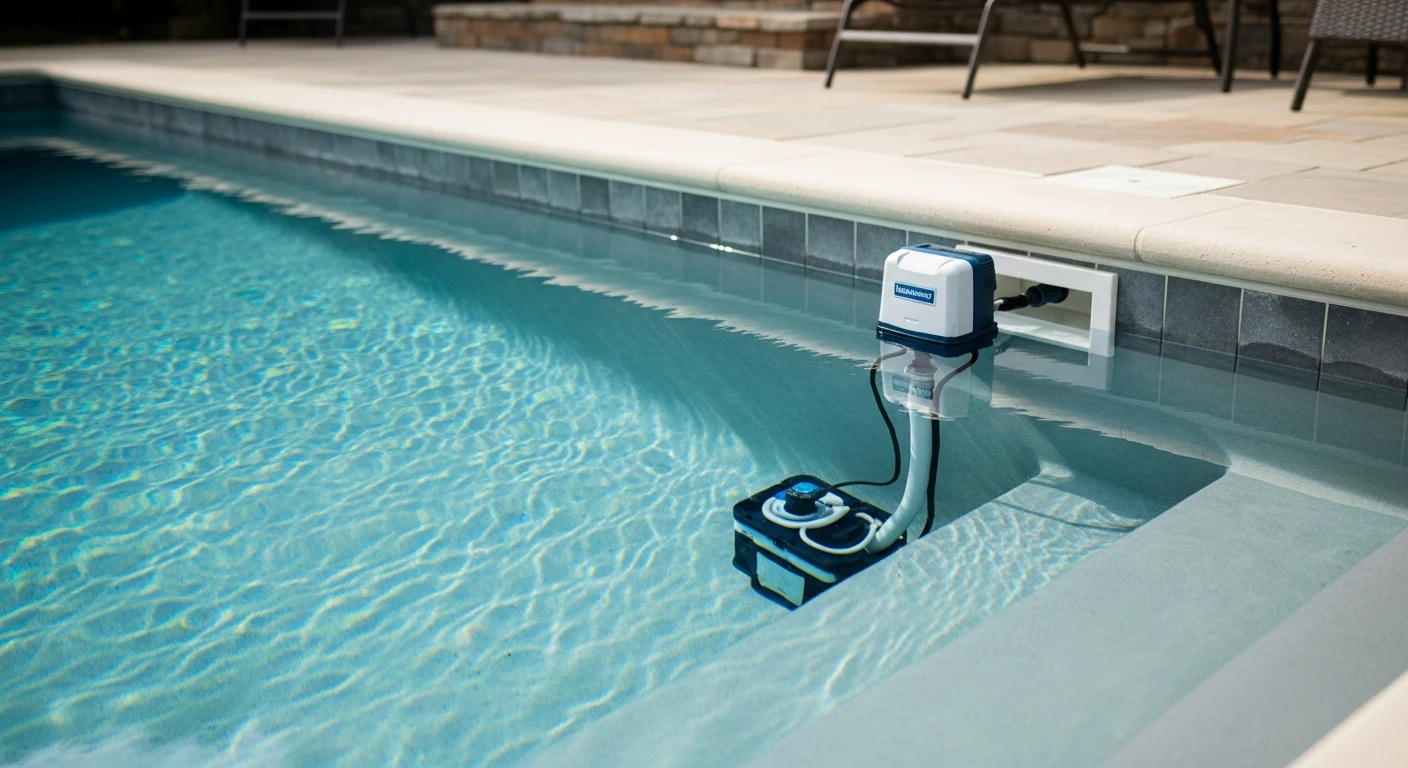
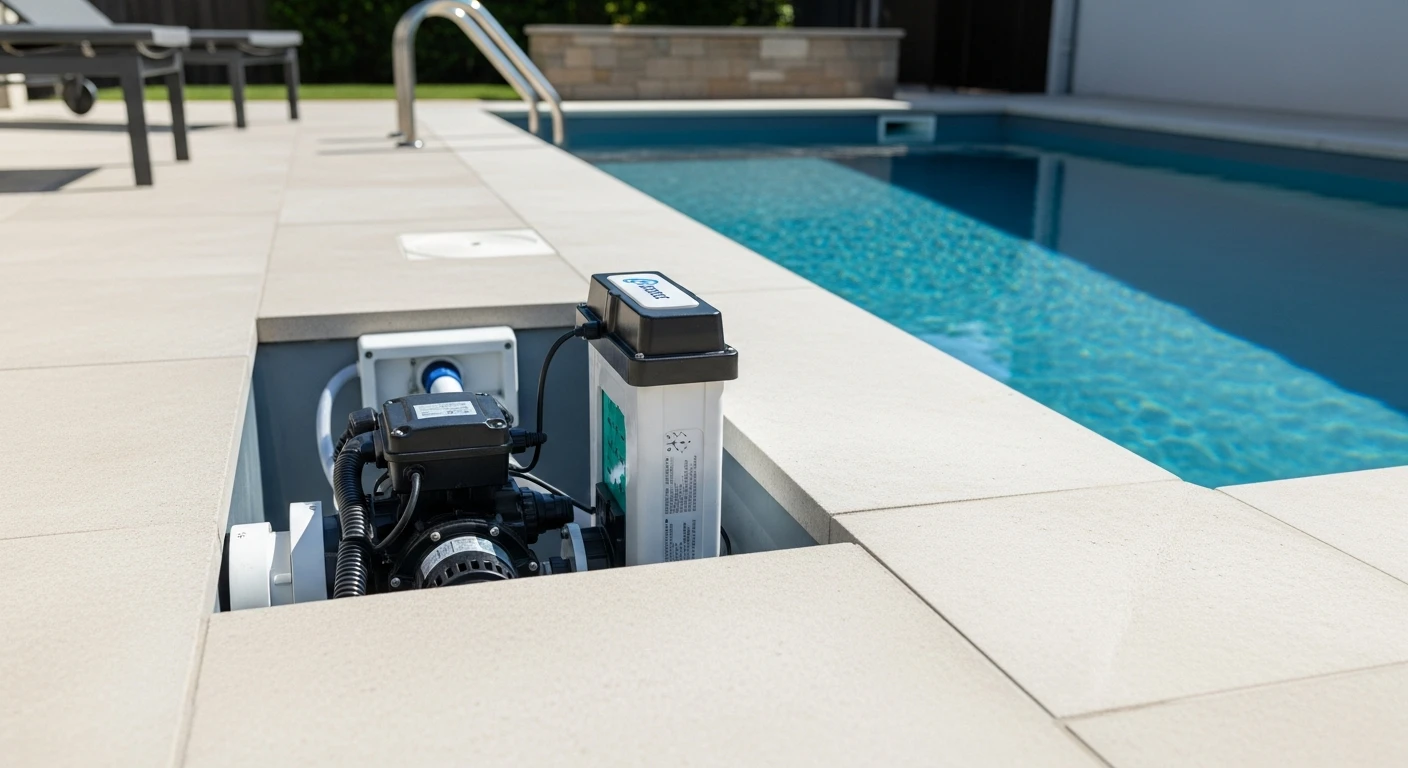
- Select a Properly Sized Salt Cell: A common cost-cutting measure is to install an undersized cell. For a typical pool in Pinellas, I recommend a cell rated for at least 1.5 times the actual gallonage of the pool. This allows the unit to run at lower power settings for fewer hours, drastically increasing its functional lifespan.
- Strategic Water Flow Configuration: I ensure the salt cell is the last piece of equipment in the chain before the water returns to the pool. This prevents super-chlorinated water from sitting in and degrading expensive heater components when the pump is off.
Fine-Tuning for Peak Performance: My Quality Assurance Checklist
After installation, the work is about precision and monitoring. My clients receive a specific checklist that moves beyond basic water testing. It's about maintaining the system's integrity against our demanding local conditions.- Cell Inspection Frequency: In Pinellas, with our water's calcium levels, I mandate a visual inspection of the salt cell blades every 60 days, not the 90 days often suggested. This catches calcium buildup before it becomes a major blockage that damages the cell's coating.
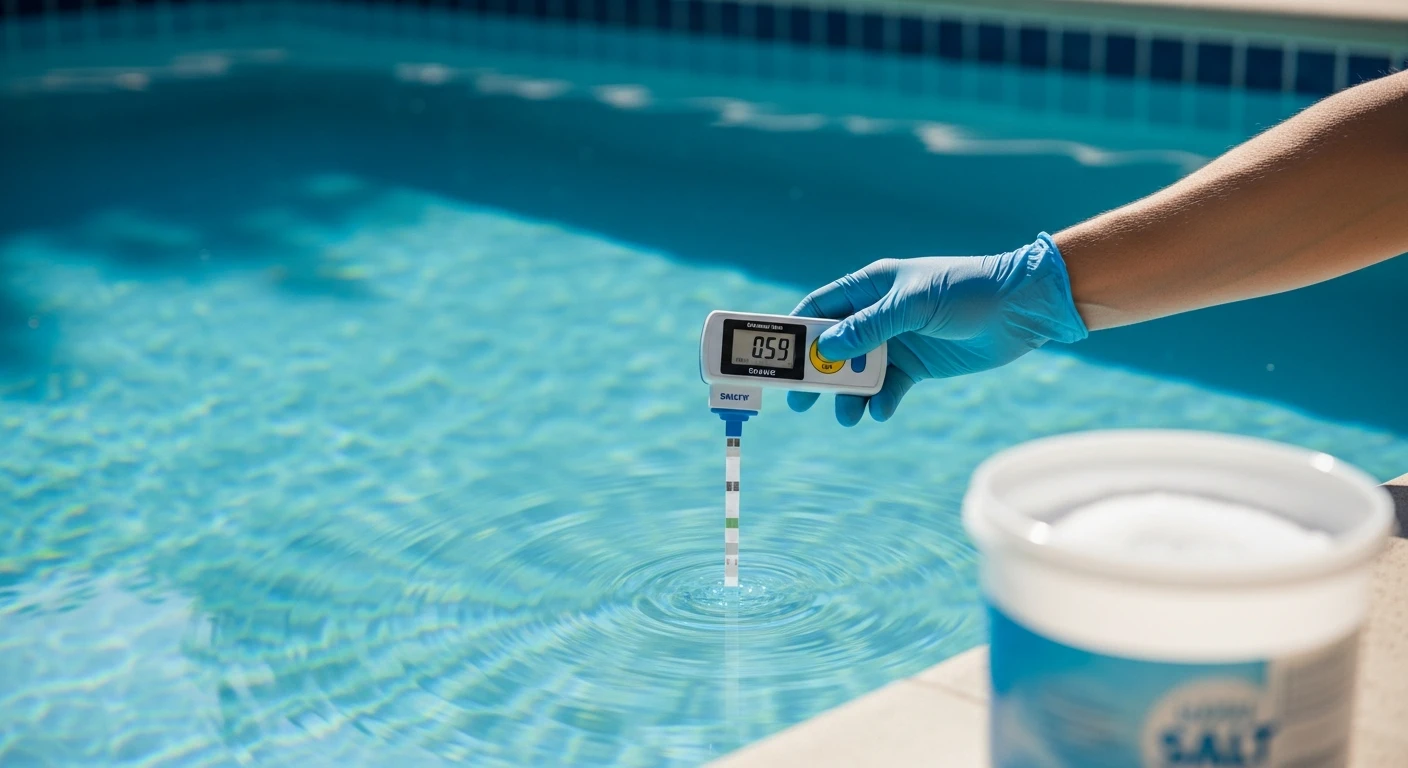
- Salinity Cross-Verification: Never trust the cell's digital readout alone. I teach clients to use an independent digital salinity tester or test strips once a month to ensure the electronic sensor hasn't drifted. A common error I identified in a large-scale project was a fleet of miscalibrated sensors, leading to widespread low-level corrosion.
- Monitor Your Anode: The sacrificial anode's erosion rate tells a story. I have clients check it every six months. If it's eroding rapidly, it indicates a deeper bonding or stray voltage issue that needs to be addressed immediately.
Written by

Tags
above ground salt water pool
pool salt system
salt for salt water pool
saltwater pool systems
Saltwater Pool Systems in Pinellas FL FAQ
What is a saltwater pool system?
A saltwater pool system is a type of pool sanitation system that uses saltwater instead of traditional chlorine to sanitize the pool water. Saltwater pool systems are designed to provide a more comfortable and healthier swimming experience, with benefits such as reduced eye irritation and softer skin.
How does a saltwater pool system work?
A saltwater pool system works by converting salt into chlorine, which is then used to sanitize the pool water. The system uses a specialized saltwater chlorine generator, which is typically connected to the pool's filtration system. As the pool water flows through the generator, the salt is converted into chlorine, providing a consistent and reliable level of sanitization.
What are the benefits of a saltwater pool system?
Saltwater pool systems offer several benefits, including reduced eye irritation and softer skin, due to the gentler sanitizing properties of saltwater. They also reduce the need for frequent additions of chlorine, and can help to eliminate the unpleasant odors and tastes associated with traditional chlorine-based systems.
How do I maintain my saltwater pool system?
To maintain your saltwater pool system, it's essential to regularly test and adjust the salt levels, as well as perform routine cleaning and maintenance tasks. It's also important to follow the manufacturer's guidelines for the saltwater chlorine generator, and to schedule regular servicing with a qualified professional.
What are the costs associated with a saltwater pool system?
The costs associated with a saltwater pool system can vary depending on the size and complexity of the system, as well as the type and quality of the equipment. However, in general, saltwater pool systems can be more expensive to install than traditional chlorine-based systems, but they can also provide long-term cost savings due to reduced chlorine consumption.
Can I convert my existing pool to a saltwater system?
Yes, it is possible to convert your existing pool to a saltwater system. However, this may require additional equipment and modifications to your pool's plumbing and filtration system. It's recommended to consult with a qualified professional to determine the best approach for your specific pool and to ensure a successful conversion.
What are some common issues with saltwater pool systems?
Some common issues with saltwater pool systems include salt buildup on pool surfaces, scaling and corrosion of equipment, and inconsistent chlorine levels. Regular maintenance and monitoring are essential to prevent these issues and ensure the optimal performance of your saltwater pool system.
How do I choose the right saltwater pool system for my needs?
To choose the right saltwater pool system for your needs, consider factors such as the size and type of your pool, your budget, and your desired level of maintenance. It's also important to research different products and systems, and to consult with a qualified professional to ensure you select the best system for your specific needs.