Saltwater Pools in Pinellas County: My Protocol for Mitigating Coastal Corrosion and Scaling
Most homeowners in Pinellas County are sold on the luxurious, soft-water feel of a saltwater pool, but they are almost never warned about the unique environmental accelerator that destroys their investment: our coastal humidity combined with ambient salt spray. I’ve seen brand-new, expensive heaters in St. Pete Beach homes fail in under two years from corrosion that was entirely preventable. The common belief is that the salt is contained within the pool, but that's a critical misunderstanding of our local atmosphere. My entire approach is built on a principle I call **Atmospheric Corrosion Preemption**. It's not just about managing the water chemistry inside the pool; it's about creating a protective shield for all the metal components around it. The real ROI isn't just in avoiding chlorine jugs; it's in adding an estimated 30-40% to the lifespan of your pool equipment, from the pump seals to the deck anchors, in our challenging Gulf Coast environment.The Salinity-Humidity Blind Spot: A Common Pinellas County Failure Point
The biggest mistake I consistently uncover, from older homes in Dunedin to new builds in Clearwater, is focusing solely on the salt cell (the chlorine generator) and ignoring the secondary effects. I once consulted on a project on a Treasure Island waterfront property where the owner had a top-of-the-line system, yet their stainless steel ladder anchors and heat exchanger were disintegrating. The pool company had balanced the water perfectly, but they completely missed the airborne electrochemical reaction happening 24/7. My proprietary methodology starts with diagnosing the property's specific microclimate. A home on the Intracoastal has a different level of salt spray exposure than a home in inland Largo. This analysis dictates the necessary level of preventative hardware and chemical balancing, moving beyond the generic "3200 ppm" salt level recommendation.The Technical Breakdown: Why Standard Saltwater Systems Fail Here
In Pinellas County, we fight three primary battles that other regions don't face with the same intensity. First is the interaction between the pool's **Total Dissolved Solids (TDS)** and the salty, humid air. This creates a low-grade, constant electrolytic environment on every metal surface. Second, our intense, year-round sun rapidly degrades unstabilized chlorine and requires a very precise level of **cyanuric acid (CYA)**. Too much CYA, a common issue I see, forces the salt cell to run longer and harder, shortening its life. Third, and most critically, is **galvanic corrosion**. When you have different metals (like a copper heat exchanger, stainless steel rails, and aluminum screen enclosures) connected by the slightly salty water splashing out of the pool, you essentially create a battery. One metal will sacrifice itself to protect the other. Without intervention, it's always the most expensive component, the heater, that corrodes first.My Implementation Protocol for a Resilient Pinellas Pool
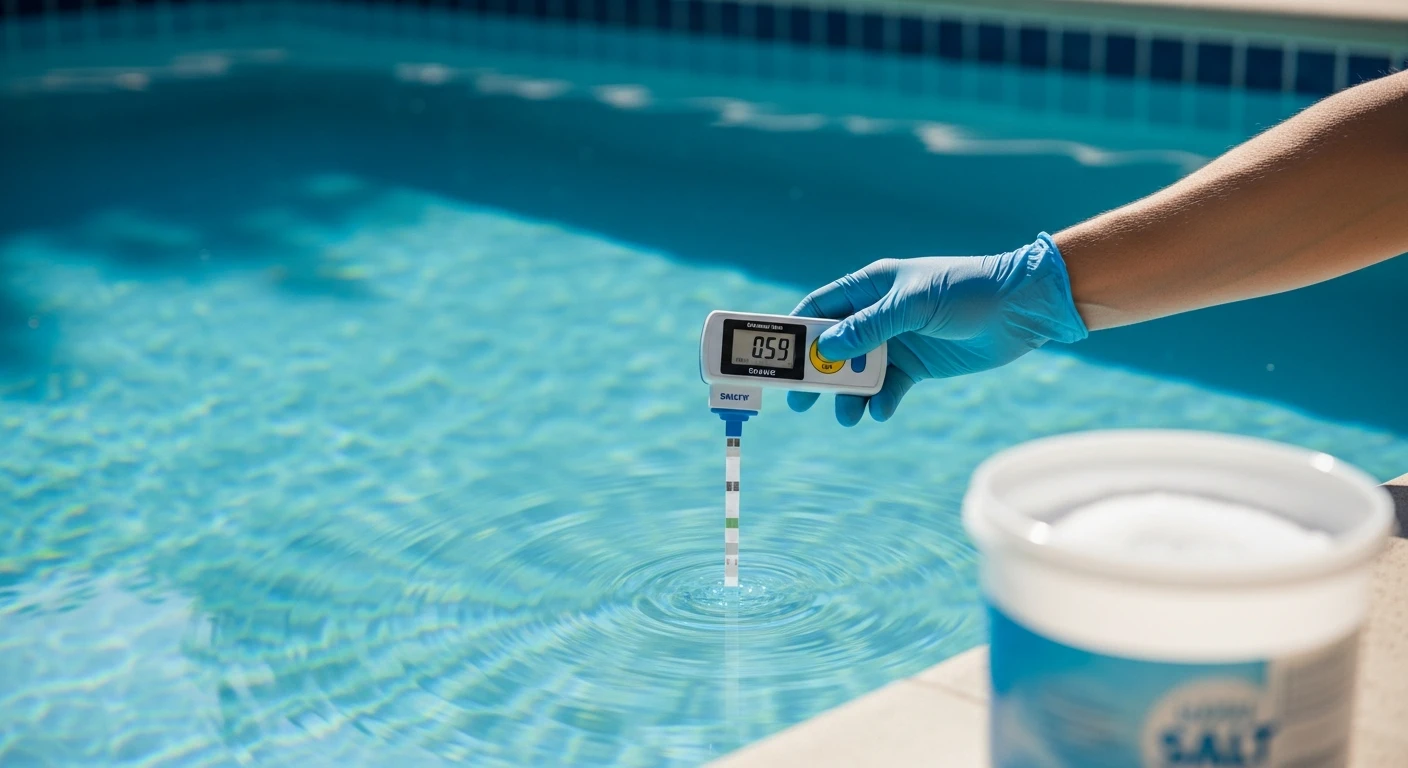
Converting to or installing a saltwater system correctly here is a precise, multi-step process. Following this checklist is non-negotiable for the longevity of the pool and its surroundings.- Step 1: Establish a Non-Salt Baseline. Before a single grain of salt is added, I perform a full water chemistry panel, with a specific focus on **calcium hardness** and phosphates. Our local water supply can be hard, leading to aggressive **calcium scaling** on the salt cell plates, which I preemptively treat.
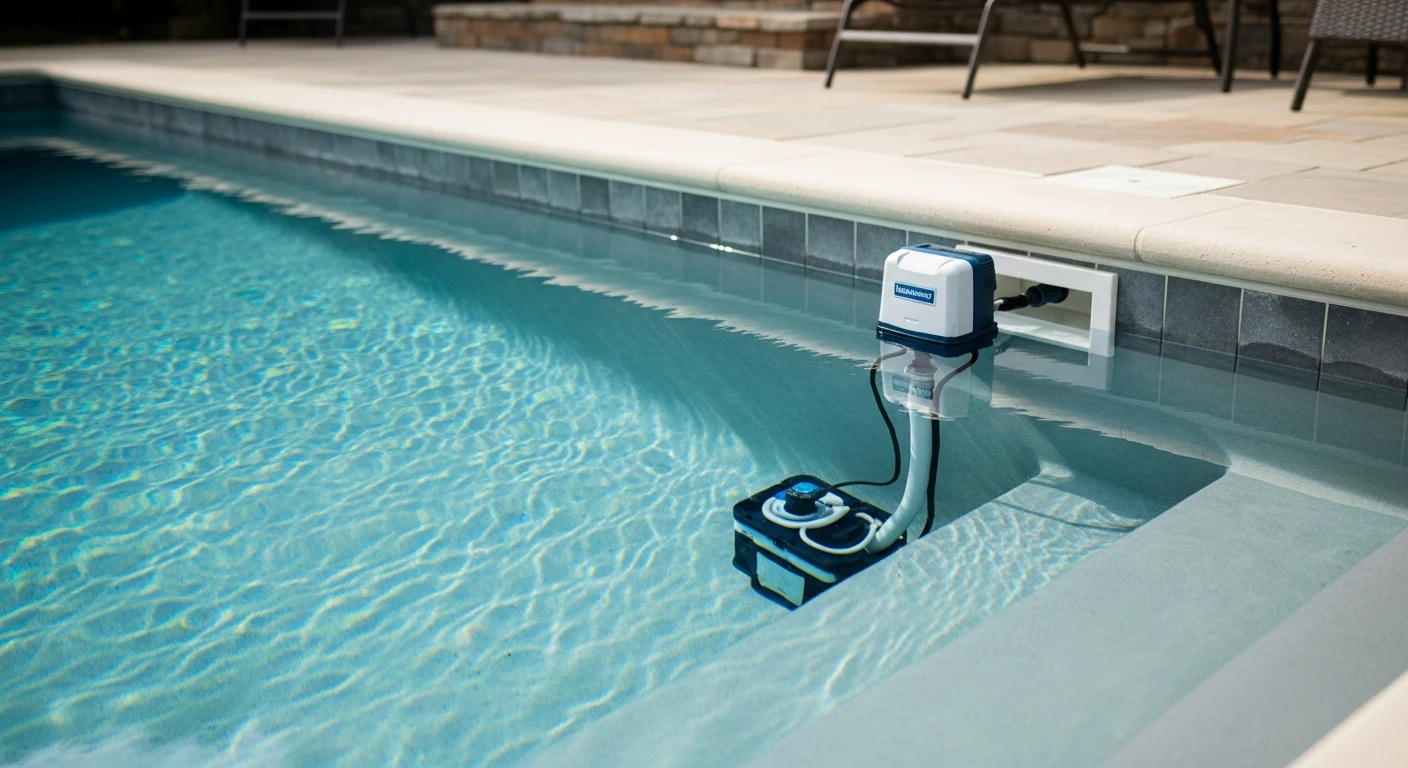
- Step 2: Install a Sacrificial Zinc Anode. This is the single most important "pulo do gato." I install a zinc anode directly into the plumbing line. This small, inexpensive part becomes the target for all galvanic corrosion, sacrificing itself over 2-3 years to save the multi-thousand-dollar heater and other metals.
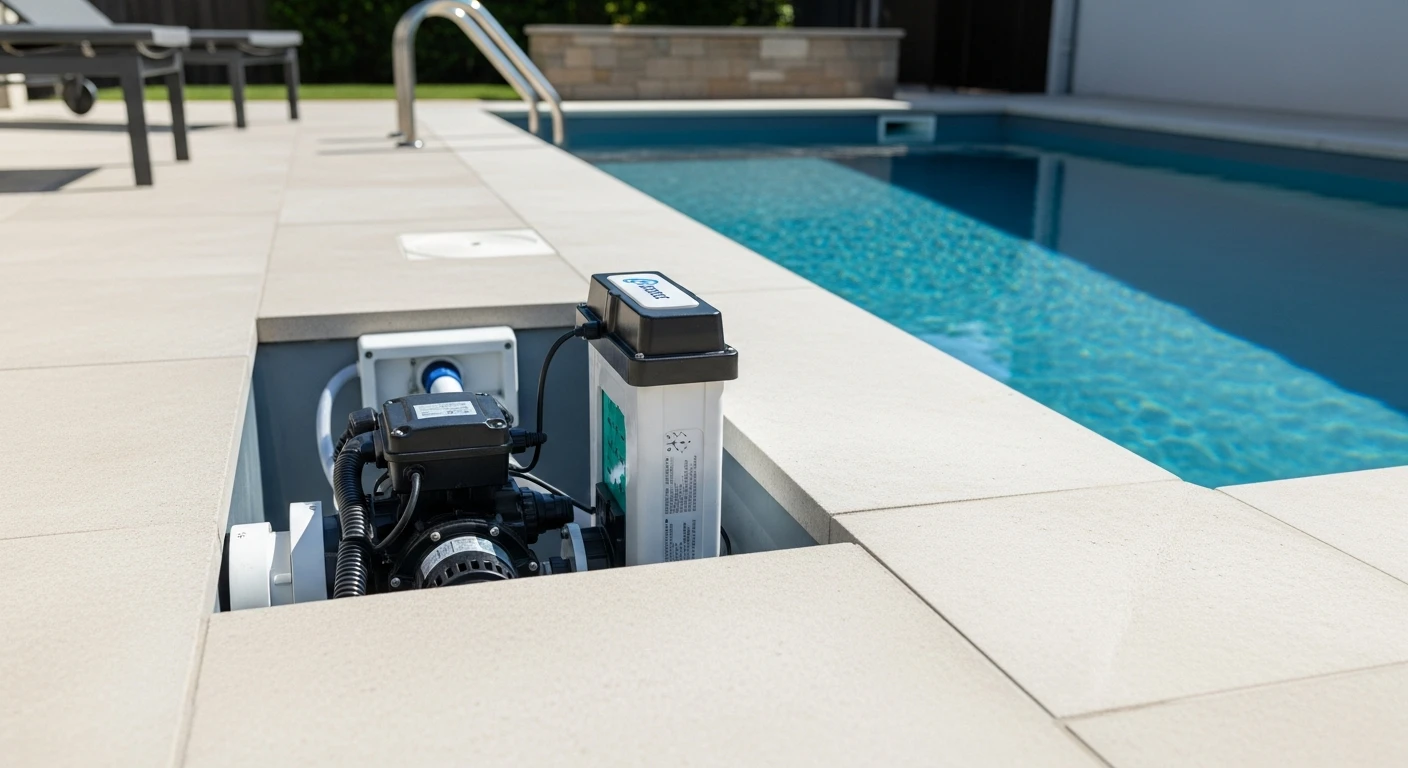
- Step 3: Oversize the Salt Chlorine Generator. The manufacturer’s recommendation is often based on a milder climate. For the heat and bather load of a typical Pinellas pool, I recommend a generator rated for at least 1.5x the pool's actual gallonage. This allows it to run at lower output percentages, dramatically extending the cell's lifespan.
- Step 4: Apply a Corrosion Inhibitor Sealant. All exposed metal components, including railing bolts, light rings, and especially the equipment pad bolts, must be treated with a marine-grade corrosion-inhibiting spray or sealant. This creates a physical barrier against the humid, salty air.
Precision Calibration and Long-Term Quality Standards
Once the system is installed, my work shifts to fine-tuning. During our rainy season, from June to September, the constant influx of fresh water requires a different salt cell output percentage and more frequent salt level testing than during the dry winter months. I teach my clients how to read their control panel not just for error codes, but for performance metrics like **cell voltage and amperage**, which are early indicators of scaling or cell failure. The quality standard isn't a "set it and forget it" system. It's a system that is seasonally adjusted and proactively maintained. I mandate a physical inspection and cleaning of the salt cell every three months and a check of the zinc anode every six months. This is the difference between a system that works and a system that endures the specific challenges of Pinellas County. So, before you proceed with your saltwater pool, have you fully calculated the long-term cost of replacing your equipment due to our unique coastal environment, or are you just focusing on the initial installation price?Written by

Tags
best salt water pool system
best pool salt system
salt water system
Switching to a saltwater system
Saltwater Pools in Pinellas FL FAQ
Is a saltwater pool really chlorine-free and better for my skin?
No, a saltwater pool is not chlorine-free; it uses a salt chlorine generator to create its own chlorine from salt. The process produces a more stable and less harsh form of chlorine, which is why it feels softer on the skin and eyes and lacks the strong chemical odor of traditional pools. This on-site production avoids the need to handle and store liquid or tablet chlorine. However, the water must still be tested and balanced regularly, maintaining a pH between 7.2 and 7.6 to ensure the chlorine produced is effective and non-corrosive.
Will the salt damage my concrete pool deck, coping, and equipment?
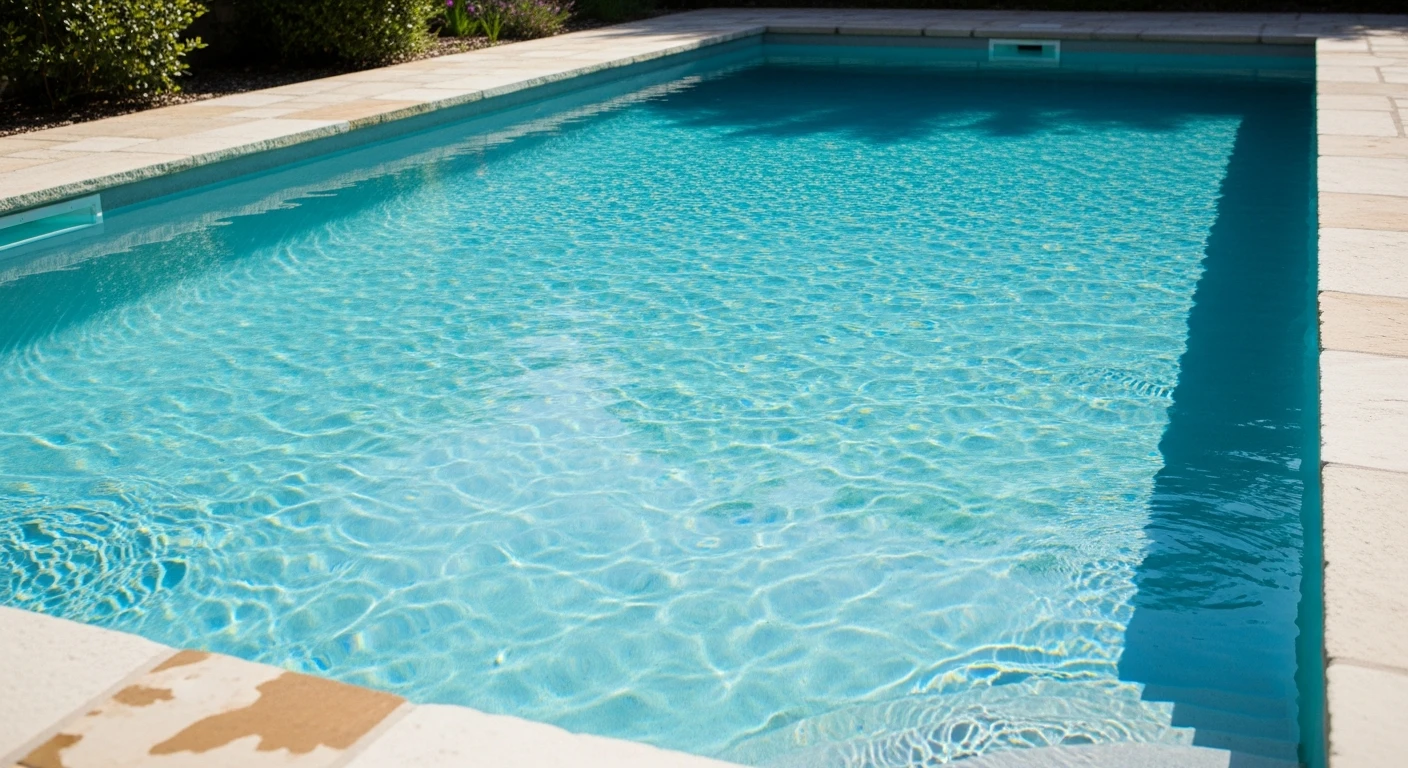
Yes, salt is corrosive and can damage certain materials over time if they are not properly selected and maintained. Porous materials like natural stone coping and unsealed concrete decking are particularly vulnerable to salt crystal formation and spalling. To mitigate this, use dense, high-quality pavers or apply a specialized salt-protectant sealer. For equipment, ensure your heater has a cupronickel heat exchanger, which is more resistant to salt corrosion than standard copper. Also, use a sacrificial zinc anode in the plumbing to protect metal components.
My 'Check Salt' light is on, but my salt level tests fine. What's wrong?
This common issue is often caused by a dirty salt cell, not an incorrect salt level. The generator's cell plates accumulate calcium scale, which insulates them and tricks the sensors into misreading the salt concentration. Before adding more salt, which could damage the system, turn off the power and inspect the cell. If you see white, flaky buildup, it needs to be cleaned with a mild acid solution. Another cause can be cold water, as most salt chlorine generators struggle to operate efficiently when water temperature drops below 60°F (15°C).
Why is my saltwater pool still turning green or cloudy?
Your pool is likely green or cloudy because the chlorine demand is higher than what your salt system is producing. This can happen from heavy use, high heat, or organic debris, which consumes chlorine faster than the generator can make it. Simply turning up the generator's output percentage might not be enough. You may need to use the 'super chlorinate' or 'boost' function for 24 hours. Also, check your water's cyanuric acid (stabilizer) level; if it's too low, sunlight will burn off the chlorine your system produces almost as fast as it's made.
Can I convert my existing vinyl liner or fiberglass pool to salt?
Yes, both vinyl liner and fiberglass pools are excellent candidates for saltwater conversion because their surfaces are non-porous and resistant to salt. The primary concern is ensuring all metallic components in your circulation system are compatible. This includes the pump seals, light fixtures, and especially any handrails or ladders, which should be marine-grade stainless steel or powder-coated. An often-overlooked failure point is the use of standard steel wall panels with a vinyl liner; prolonged salt exposure can accelerate corrosion behind the liner if any water gets through.
How often do I need to add more salt to the pool?
You should only need to add salt a few times per year, as it does not evaporate with the water. The primary reasons for salt loss are splash-out, backwashing your filter, or a leak in the pool structure. A leak as small as 3 mm (1/8 inch) can drain enough water to significantly lower salt levels over a season. Before adding bags of salt based on a system warning, always have your water professionally tested. Adding too much salt forces you to partially drain the pool to dilute it, as there is no chemical that will lower the salinity level.