Lake County Saltwater Pools: A Protocol to Double Salt Cell Lifespan in Florida's Hard Water
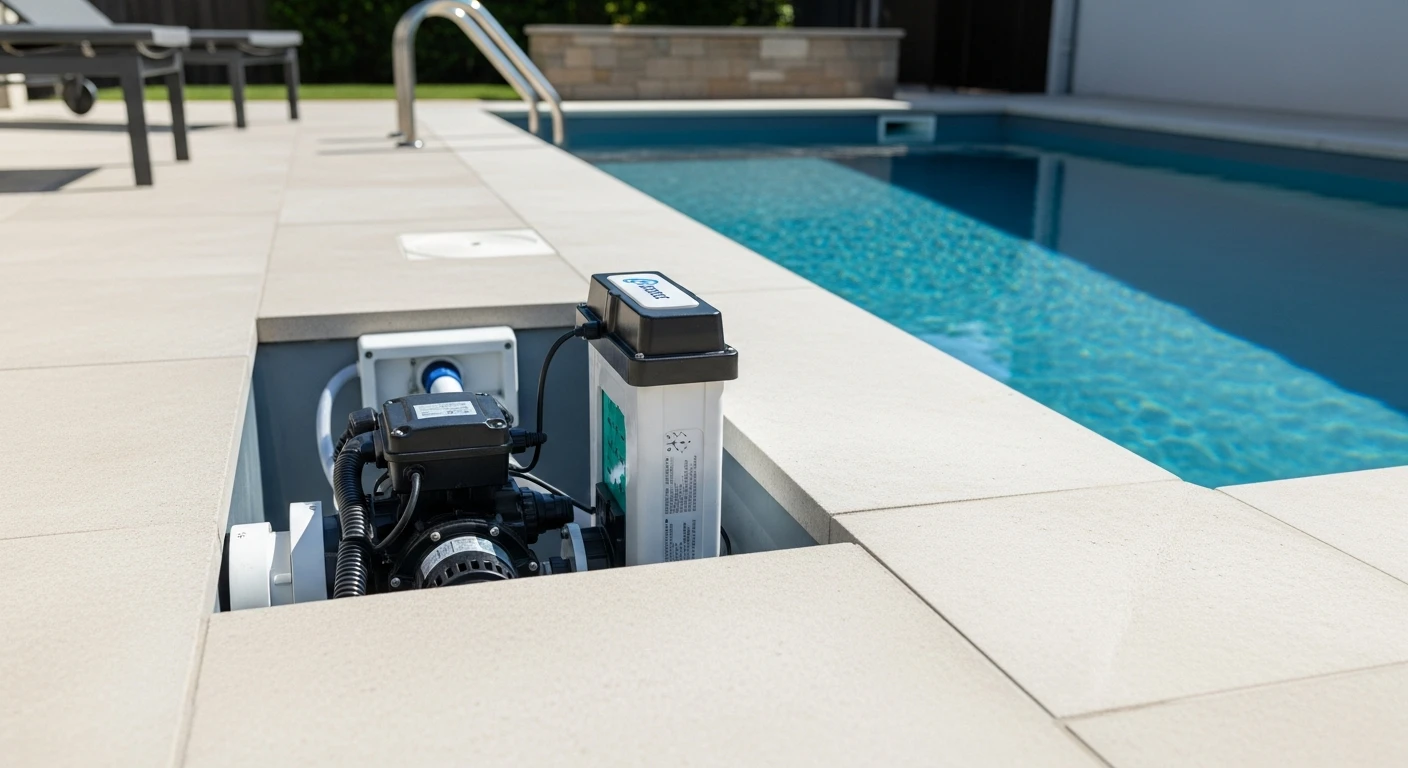
Converting to a saltwater pool in Lake County isn't just about dumping in a few bags of salt. I've seen countless homeowners in areas like Clermont and Mount Dora invest in expensive salt chlorine generators (SCGs) only to see them fail prematurely. The root cause is almost never the equipment itself; it’s a fundamental misunderstanding of how our local water chemistry, particularly the high calcium hardness and intense Florida sun, interacts with the electrolysis process. Standard pool store advice often misses these critical local nuances. My approach is built on a principle I call "Proactive Chemical Buffering," designed specifically for the challenges here. It involves setting water chemistry parameters not just to "acceptable" levels, but to optimal ranges that create a protective buffer for your SCG. This prevents the constant, aggressive scaling on the cell plates and the subtle corrosion on ladders and light fixtures that I frequently diagnose in pools from Tavares to The Villages. This isn't just maintenance; it's a strategy to drastically cut down on replacement costs and chemical adjustments.My Diagnostic Framework: The Salinity-Balance Protocol
Most saltwater pool issues I'm called to fix stem from a single failure point: treating the pool like a traditional chlorine pool, but with salt. This is a critical error. A saltwater system is a miniature chlorine factory operating in a unique environment. My Salinity-Balance Protocol begins by analyzing four key metrics that are often overlooked or mismanaged in our region. I developed this after tracking cell failures across dozens of properties and finding a direct correlation with specific water balance neglect.Technical Deep Dive: The Four Pillars of SCG Longevity in Lake County
The success of a saltwater system here hinges on mastering elements far beyond just the salt level.- Calcium Hardness Optimization: The water throughout Lake County tends to be hard. While pool stores say anything under 400 ppm is "okay," I've found that for SCGs, maintaining a tighter range of 200-275 ppm is critical. Anything higher dramatically accelerates calcium carbonate plating on the cell, reducing chlorine production and leading to burnout. On a large residential project in a new Clermont development, I traced constant "low chlorine" alerts directly to a calcium level of 450 ppm that was "in range" but choking the system.
- Cyanuric Acid (CYA) Discipline: Our intense, year-round sun requires CYA to protect chlorine from UV degradation. However, excessive CYA (above 80 ppm) forces the SCG to work much harder to produce effective chlorine, shortening its lifespan. For pools with screened lanais, common in The Villages, I aim for 50-60 ppm. For unscreened pools, 70-80 ppm is the absolute ceiling. This is a fine line most pool owners cross without realizing the strain it puts on their equipment.
- pH and Total Alkalinity (TA) Management: The process of generating chlorine from salt naturally drives the pH of your pool water up. If your Total Alkalinity is too high, it will buffer the pH at an elevated level, leading to scaling. I establish a TA of 80-90 ppm, which allows the pH to be more easily managed and kept in the ideal 7.4-7.6 range. This single adjustment can reduce the frequency of adding muriatic acid by up to 50%.
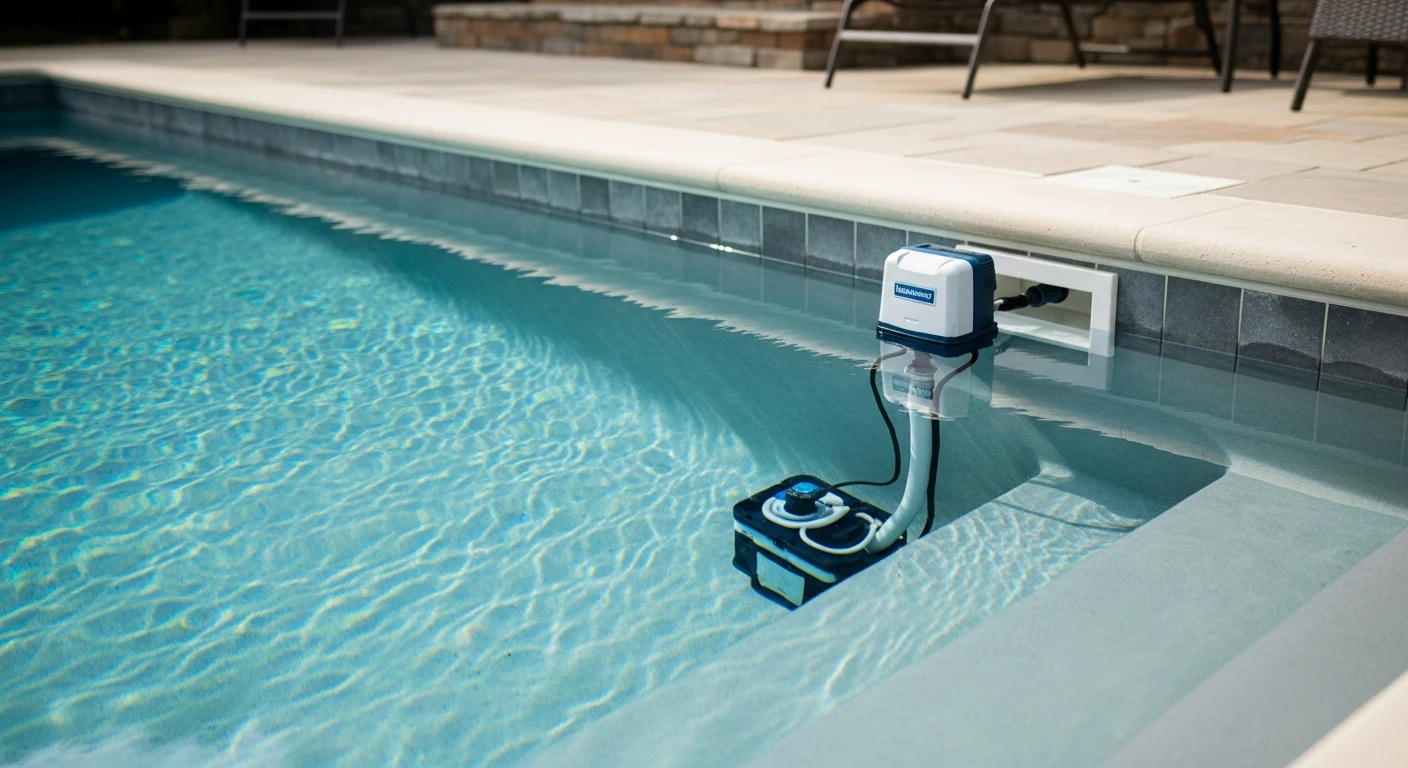
- Implementing a Sacrificial Anode: This is my number one "pulo do gato" for preventing corrosion. Galvanic corrosion is an electrochemical process that attacks metal components (handrails, light rings, heat exchangers) in a saltwater pool. A sacrificial zinc anode plumbed into the circulation system will corrode instead of your expensive pool hardware. It's a low-cost part that saves thousands in repairs, yet it's almost always missing from standard installations.
Step-by-Step Implementation for Peak Performance
Whether you are converting an existing pool or dialing in a new one, the sequence of operations is crucial for establishing a stable system. Rushing this process is the most common mistake I see.Initial Setup and Chemical Balancing Sequence
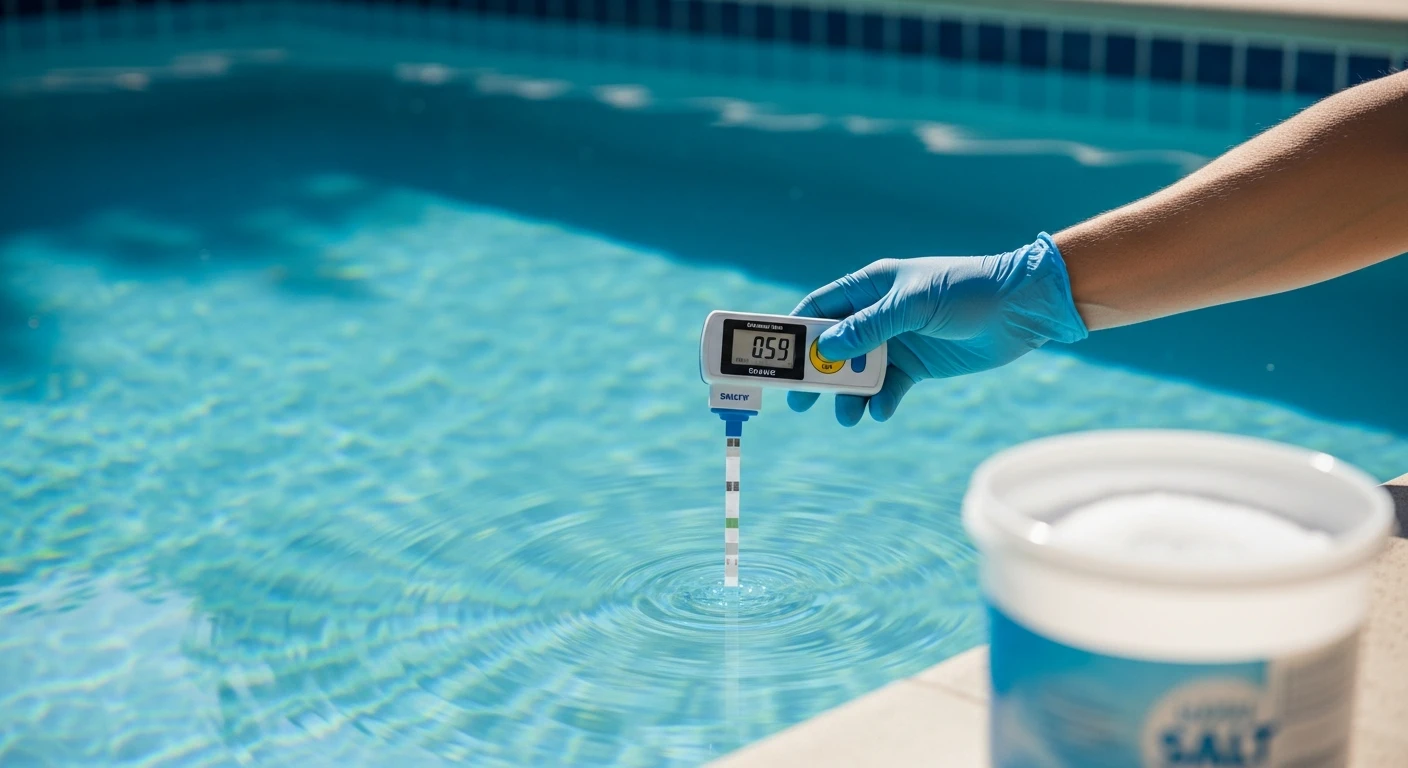
- First, obtain a professional-grade water test. Do not rely on simple test strips for this initial setup. You need precise readings for calcium hardness, CYA, TA, pH, and phosphates.
- Address phosphates first. If levels are above 200 ppb, use a phosphate remover. Phosphates are a primary food source for algae and create a massive chlorine demand that will overwork your new cell from day one.
- Adjust Total Alkalinity to the 80-90 ppm target range. Then, balance the pH to 7.4. Always adjust TA before pH.
- Next, tackle Calcium Hardness. If it's too high (a common issue here), the only effective solution is a partial drain and refill with lower-hardness water. It's a hassle, but it's non-negotiable for cell longevity.
- Add Cyanuric Acid to reach your target level based on sun exposure. Dissolve it in a bucket or sock before adding it to the pool to prevent bleaching surfaces.
- Only after all other chemistry is balanced should you add the salt. Use only pool-grade salt (99.8% pure NaCl). Calculate the required amount based on your pool's volume and the SCG manufacturer's specifications, typically aiming for 3000-3500 ppm. Pour it into the deep end and let the pump run for 24 hours to fully dissolve it before turning on the SCG.
Precision Adjustments and Quality Standards
Your system is now running, but it is not a "set it and forget it" device. Consistent, precise adjustments are key. I advise my clients to test their water weekly, paying close attention to the pH. Due to the SCG's operation, you will need to add small amounts of muriatic acid regularly to keep the pH from creeping above 7.6. Furthermore, inspect your salt cell every 3 months. In Lake County's water, you will likely see white, flaky calcium deposits forming on the plates. Clean the cell using a diluted acid solution only when necessary; over-cleaning can damage the plates' coating. Finally, monitor the sacrificial anode every 6 months and replace it when it is about half its original size. Given the variables, how are you currently measuring and counteracting the accelerated TDS (Total Dissolved Solids) creep in your saltwater pool, and what is your protocol for when it exceeds 4500 ppm?Written by

Tags
best salt water pool system
best pool salt system
salt water system
Switching to a saltwater system
Saltwater Pools in Lake FL FAQ
Is a saltwater pool really chlorine-free and better for my skin?
No, a saltwater pool is not chlorine-free; it uses a salt chlorine generator to create its own chlorine from salt. The process produces a more stable and less harsh form of chlorine, which is why it feels softer on the skin and eyes and lacks the strong chemical odor of traditional pools. This on-site production avoids the need to handle and store liquid or tablet chlorine. However, the water must still be tested and balanced regularly, maintaining a pH between 7.2 and 7.6 to ensure the chlorine produced is effective and non-corrosive.
Will the salt damage my concrete pool deck, coping, and equipment?
Yes, salt is corrosive and can damage certain materials over time if they are not properly selected and maintained. Porous materials like natural stone coping and unsealed concrete decking are particularly vulnerable to salt crystal formation and spalling. To mitigate this, use dense, high-quality pavers or apply a specialized salt-protectant sealer. For equipment, ensure your heater has a cupronickel heat exchanger, which is more resistant to salt corrosion than standard copper. Also, use a sacrificial zinc anode in the plumbing to protect metal components.
My 'Check Salt' light is on, but my salt level tests fine. What's wrong?
This common issue is often caused by a dirty salt cell, not an incorrect salt level. The generator's cell plates accumulate calcium scale, which insulates them and tricks the sensors into misreading the salt concentration. Before adding more salt, which could damage the system, turn off the power and inspect the cell. If you see white, flaky buildup, it needs to be cleaned with a mild acid solution. Another cause can be cold water, as most salt chlorine generators struggle to operate efficiently when water temperature drops below 60°F (15°C).
Why is my saltwater pool still turning green or cloudy?
Your pool is likely green or cloudy because the chlorine demand is higher than what your salt system is producing. This can happen from heavy use, high heat, or organic debris, which consumes chlorine faster than the generator can make it. Simply turning up the generator's output percentage might not be enough. You may need to use the 'super chlorinate' or 'boost' function for 24 hours. Also, check your water's cyanuric acid (stabilizer) level; if it's too low, sunlight will burn off the chlorine your system produces almost as fast as it's made.
Can I convert my existing vinyl liner or fiberglass pool to salt?
Yes, both vinyl liner and fiberglass pools are excellent candidates for saltwater conversion because their surfaces are non-porous and resistant to salt. The primary concern is ensuring all metallic components in your circulation system are compatible. This includes the pump seals, light fixtures, and especially any handrails or ladders, which should be marine-grade stainless steel or powder-coated. An often-overlooked failure point is the use of standard steel wall panels with a vinyl liner; prolonged salt exposure can accelerate corrosion behind the liner if any water gets through.
How often do I need to add more salt to the pool?
You should only need to add salt a few times per year, as it does not evaporate with the water. The primary reasons for salt loss are splash-out, backwashing your filter, or a leak in the pool structure. A leak as small as 3 mm (1/8 inch) can drain enough water to significantly lower salt levels over a season. Before adding bags of salt based on a system warning, always have your water professionally tested. Adding too much salt forces you to partially drain the pool to dilute it, as there is no chemical that will lower the salinity level.