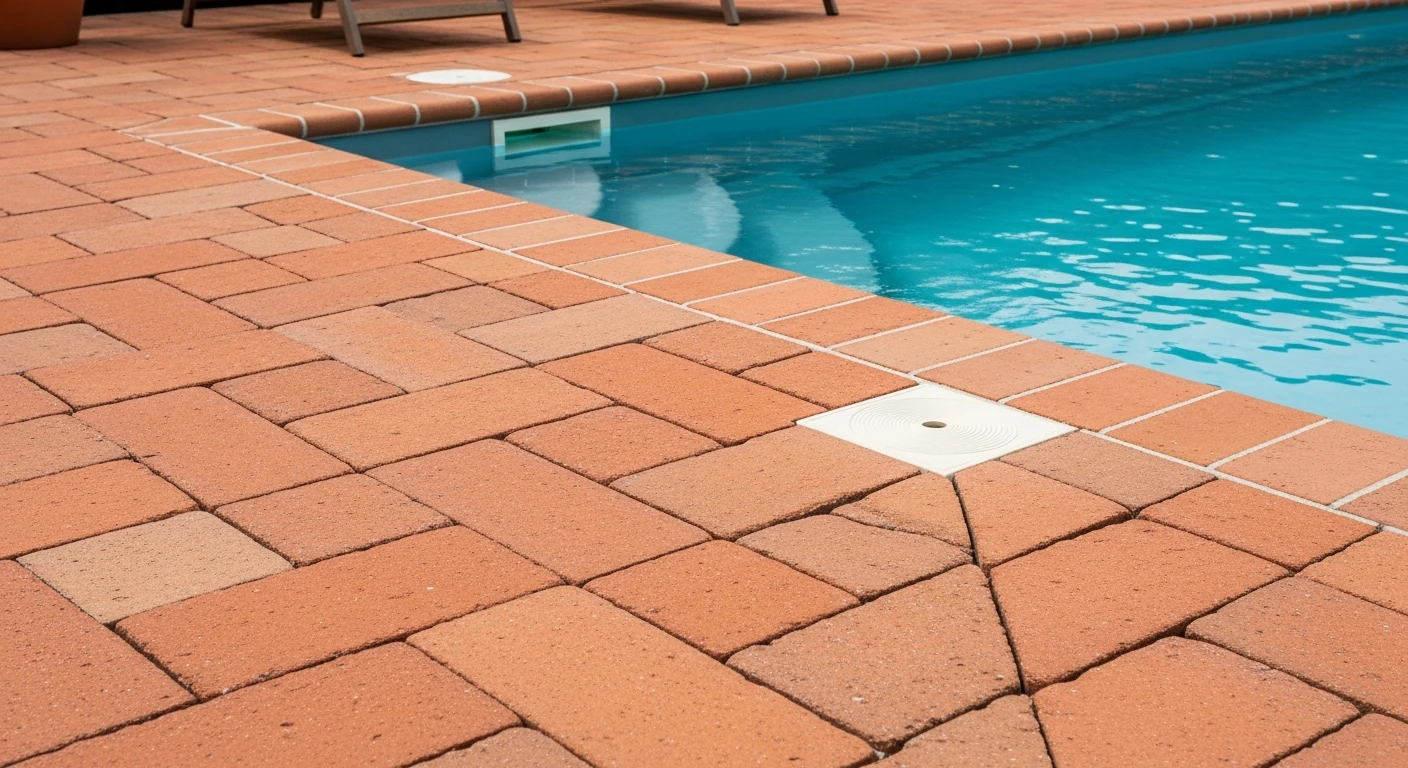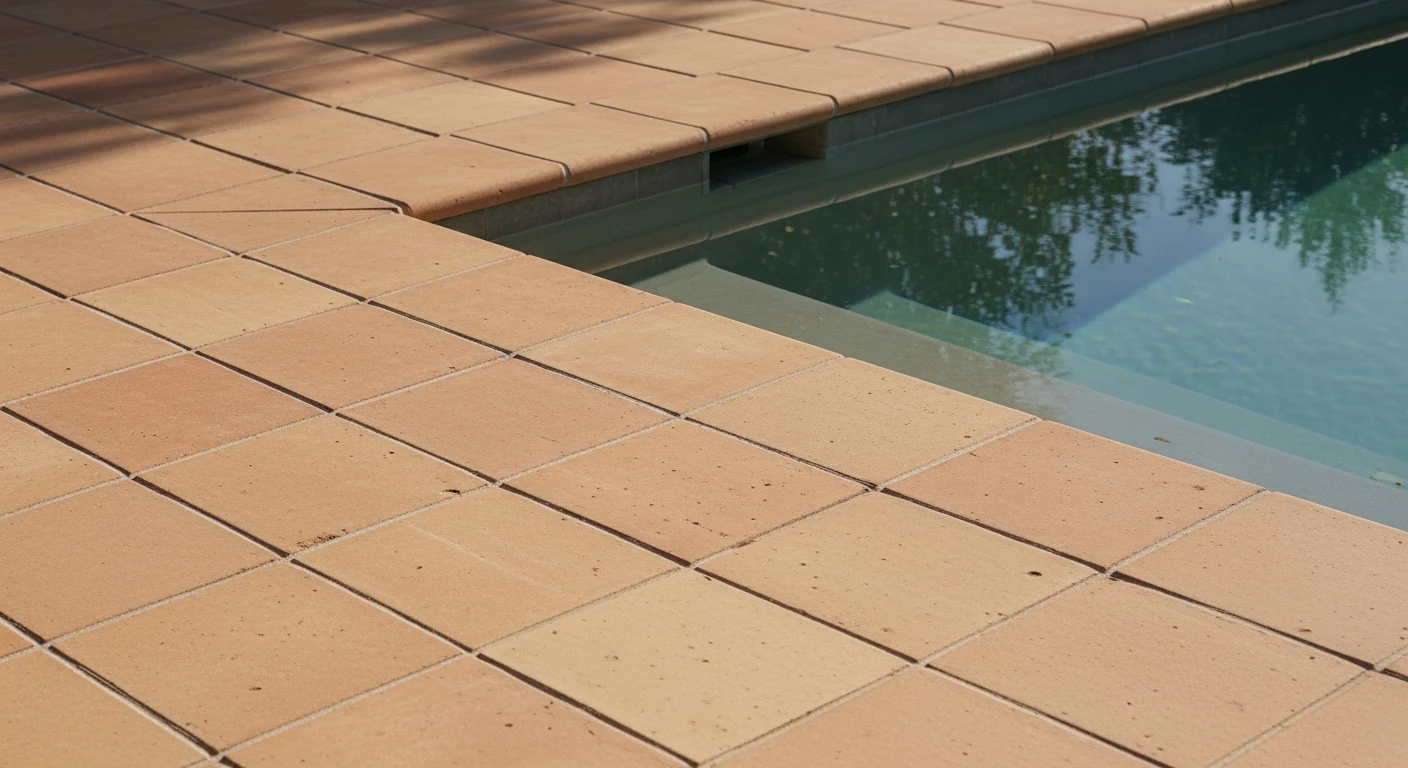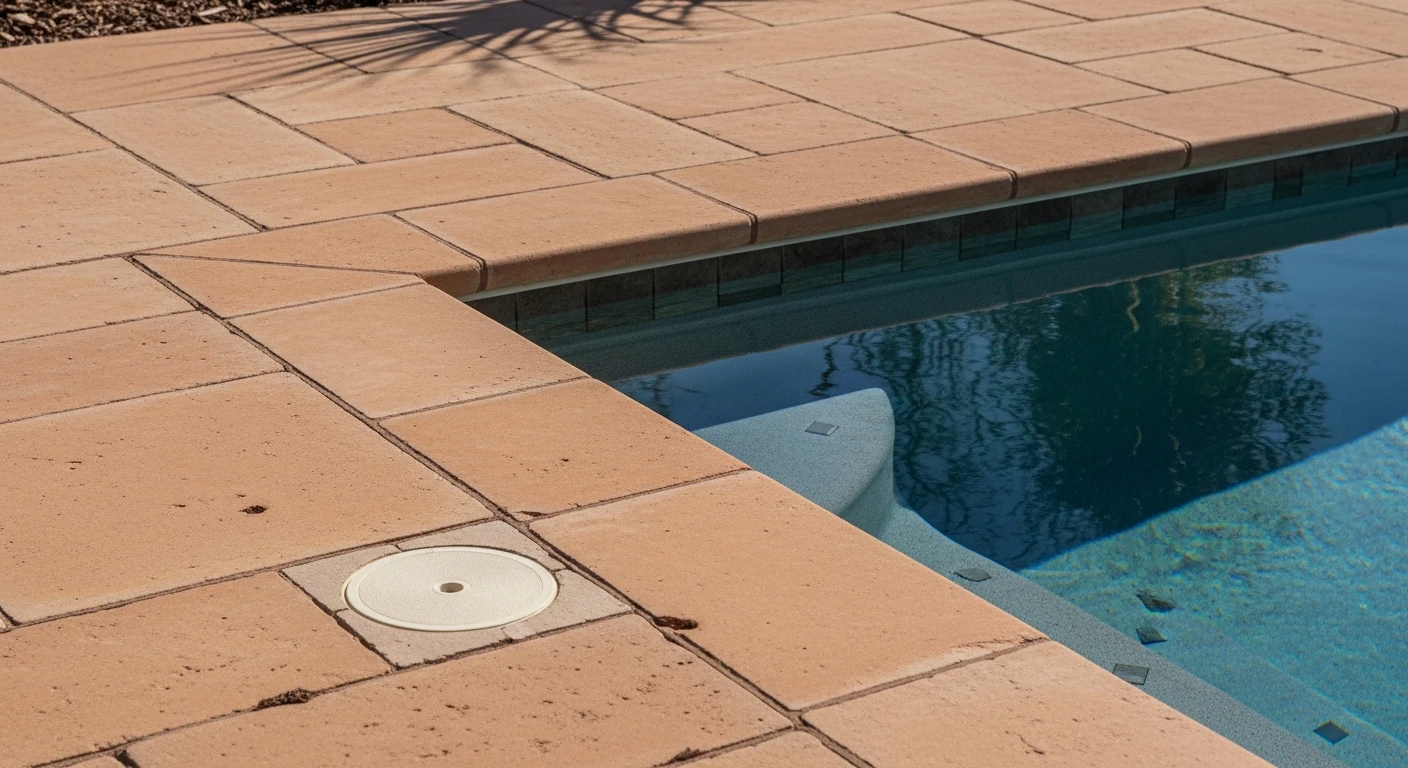
Terra Cotta Pavers Outdoor: My Sarasota Protocol for Preventing Algae and Salt Spalling
For Sarasota homeowners, the classic charm of terra cotta pavers is a perfect match for our Spanish-Mediterranean architecture, but our coastal climate is uniquely brutal on this material. I’ve been called to fix countless patios from Bird Key to Lakewood Ranch where beautiful terra cotta has turned green with algae or started flaking apart in just a few years. The common failure point isn't the paver itself; it's the lack of a system designed for Sarasota's intense humidity and salt air. My entire approach is built on a principle I call Moisture Mitigation Engineering. It’s not about just laying down pavers; it's about creating a multi-layered defense that manages water from below the surface and repels it from above. The result is a terra cotta installation that resists the notorious green algae bloom and prevents the salt-induced spalling that plagues so many properties, especially west of the Trail. This methodology has consistently increased the functional lifespan of these patios by an estimated 75%.Diagnosing Premature Failure in Sarasota's Climate
When I first assess a failing terra cotta installation, I’m not just looking at the surface. I’m diagnosing the entire system. The two most common culprits I find are efflorescence (the white, chalky residue) and sub-surface moisture retention leading to algae. Efflorescence is particularly aggressive in areas like Lido Key due to the high saline content in the air. The moisture draws salts through the porous clay, which then crystallize and physically break the paver surface apart. My diagnostic methodology starts before a single paver is ordered. It involves a site-specific drainage analysis and a deep understanding of the property's microclimate. A home on a Siesta Key canal has fundamentally different needs than one inland in a golf community. My system is designed to address this from the ground up, treating the paver installation as an integrated part of the landscape's water management plan, not just a decorative topping.The Core of My System: Paver Selection and Sub-grade Engineering
The single biggest mistake I see is the use of high-porosity, decorative terra cotta tiles meant for interior or arid climates. For an outdoor lanai or pool deck in Sarasota, this is a recipe for disaster. I exclusively specify machine-extruded, high-density terra cotta pavers that meet ASTM C902 standards for Class SX pavers, meaning they are rated for severe weather and freeze-thaw cycles (even though we don't freeze, the rating indicates low water absorption). The real technical work happens below the surface. A standard sand base is insufficient for our torrential summer rains. My sub-grade specification is non-negotiable:- Sub-grade Compaction: The native soil must be compacted to 95% proctor density to prevent settling.
- Geotextile Fabric: A non-woven geotextile fabric is laid to separate the soil from the base aggregate, preventing intermixing and preserving drainage.
- Aggregate Base: A minimum of 4 inches of compacted ASTM No. 57 stone is required. This creates a structural foundation that allows water to drain through rapidly.
- Bedding Sand: A precisely screeded 1-inch layer of coarse, washed sand (ASTM C33) provides the final leveling bed for the pavers. I ensure a minimum 2% grade away from any structures to guarantee positive drainage.
The Dual-Sealing Implementation for Coastal Longevity
Here is where my process delivers the most significant information gain. Sealing only the top of the paver after installation is a critical error in this climate; it traps moisture rising from the ground. I developed a proprietary dual-sealing protocol to create a complete moisture barrier. This is my step-by-step implementation:- Pre-Installation Sealing: Before a single paver is laid, I apply a high-quality silane-siloxane penetrating sealer to all six sides of every paver. This is the most crucial step. It deeply penetrates the clay to create an internal hydrophobic barrier, drastically reducing water absorption from the sand bed below.
- Setting and Grouting: The pavers are set, and I use a polymer-modified jointing sand. This type of sand hardens upon activation but remains flexible, accommodating thermal expansion and preventing cracks that would allow water intrusion.
- Curing Period: I enforce a strict 72-hour minimum curing period after the jointing sand is set. No foot traffic, no water. This allows all residual moisture from the installation process to evaporate.
- Final Top-Coat Sealing: Only after the assembly is fully cured do I apply the final surface sealer. I use a high-solids, UV-stable acrylic topical sealer. This provides the final barrier against surface stains, pool chemicals, and, most importantly, provides a non-porous surface that inhibits algae from taking root.
Precision Grout Lines and Post-Installation QA
The details are what guarantee performance. I maintain a consistent 3/8-inch grout line to ensure the polymer sand can properly lock the pavers together while allowing for adequate water percolation to the sub-grade. Wider or narrower joints compromise the system's integrity. My final quality assurance check is a controlled flood test. I use a low-pressure spray to saturate a section of the patio for 5 minutes. I’m looking for two things: immediate beading of water on the surface (confirming the sealer is working) and zero evidence of pooling or puddling (confirming the grading is correct). I learned this the hard way on an early project in The Meadows where a slight depression, invisible to the eye, created a persistent algae problem. Now, this test is a mandatory part of my sign-off process. For long-term maintenance, I advise clients to perform a simple "water drop test" every 24 months; if a drop of water absorbs in under 60 seconds instead of beading, it's time for a maintenance re-seal. Given the importance of a properly engineered sub-grade, how would you adapt the aggregate base depth for an area with a high water table, like those found in the coastal homes of St. Armands Key?Written by

Tags
terracotta pavers
terracotta concrete pavers
large terracotta pavers
large concrete pavers
terracotta driveway pavers