UV Pool Sanitation: My Protocol for Eliminating Chloramine Buildup in Pasco County Pools
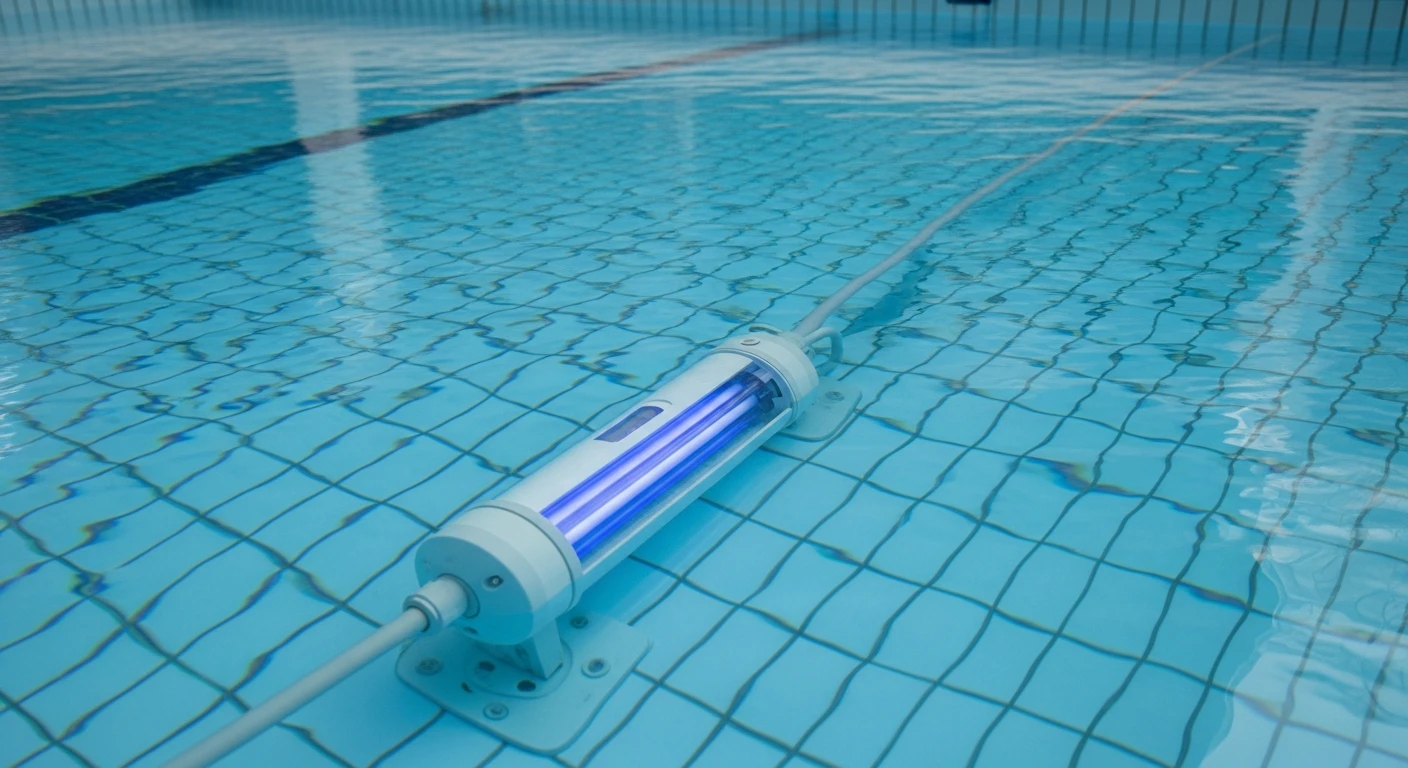
In my years specializing in pool water chemistry here in Pasco County, the most persistent complaint I hear from homeowners in Trinity and Land O' Lakes isn't algae—it's that "chlorine smell" and the red eyes that come with it. The common mistake is to blame the chlorine itself. The real culprit is a nasty byproduct called chloramines, formed when chlorine reacts with sweat, oils, and other organic matter introduced by swimmers. Given our long, hot swimming season and intense sun, Pasco pools are perfect breeding grounds for this problem, rapidly degrading free chlorine and forcing owners to overcompensate. My solution isn't just adding a UV sanitizer; it's about implementing a system sized and calibrated specifically for our local conditions. A standard, off-the-shelf installation often fails within one season because it doesn't account for the high organic load and thermal degradation unique to our area. I developed a methodology that focuses on achieving a specific germicidal dosage, effectively eradicating chloramines at the molecular level and dramatically reducing the need for shock treatments and high chlorine residuals. This transforms a pool from a chemical chore into a truly clean and comfortable swimming experience.My Diagnostic Framework for Pasco's Unique Pool Chemistry
Before I even consider a UV unit, I perform a full diagnostic. I’ve seen too many powerful UV systems installed on pools with underlying circulation or filtration issues, which completely negates the investment. My diagnostic process is built around three Pasco-specific environmental factors that conventional pool services often overlook. First is the Solar Factor. The intense Florida sun degrades free chlorine at an accelerated rate. This leads to a vicious cycle: owners in communities like Wesley Chapel add more and more chlorine, which in turn creates a higher concentration of chloramines when the pool is used. Second is the Organic Load Profile. Our pools are used nearly year-round, meaning a constant introduction of sunscreens, sweat, and environmental debris. This high-turnover organic load requires a sanitizer with a higher-than-average kill rate. Finally, the Rainwater Intrusion Effect from our daily summer thunderstorms drastically alters pH and alkalinity, creating unstable water that hinders sanitizer effectiveness. My methodology quantifies these factors to size a system not for the pool's volume, but for its actual operational demand.Calculating True Germicidal Dosage vs. Manufacturer Specs
Here's the technical secret most installers miss: the effectiveness of a UV system is measured in microwatt-seconds per square centimeter (mJ/cm²). This is the actual amount of UV-C energy delivered to the water. Manufacturers often list a maximum flow rate, but this is based on ideal lab conditions, not a humid Pasco County afternoon with high water temperatures and potential turbidity. My proprietary calculation starts with the pump's actual, measured flow rate (I always use a digital flow meter, never the label on the pump). Then, I apply a correction factor based on the bather load and sun exposure. For a typical family pool inside a screened lanai in a neighborhood like Starkey Ranch, I aim for a minimum sustained dosage of 30,000 mJ/cm² to destroy chloramines effectively. For high-exposure, unscreened pools, I increase that target to 40,000 mJ/cm² or more. This level of energy is potent enough to eradicate even chlorine-resistant pathogens like Cryptosporidium on the first pass, something standard chlorination cannot guarantee. It’s the difference between simple sanitation and true sterilization.The Critical Path for a Flawless UV System Installation
A proper UV installation is a matter of precision plumbing and electrical work. I’ve been called out to fix dozens of systems in New Port Richey that were installed incorrectly, leading to premature lamp failure or, worse, zero tangible benefit. My process is non-negotiable and follows a strict sequence.- Step 1: Flow Rate Verification. I physically measure the gallons per minute (GPM) at the equipment pad. A variable-speed pump running at a low speed may not provide enough flow for the UV unit's flow switch to activate, rendering it useless. This is a critical validation step.
- Step 2: Optimal Plumbing Integration. The UV sanitizer must be the last piece of equipment the water passes through before returning to the pool. It must be installed *after* the filter (to ensure clear water for UV penetration) and *after* the heater, but *before* any chemical injection point. Placing it before a chlorinator will cause the high UV dose to degrade the fresh chlorine instantly.
- Step 3: Electrical Safeguards. Every installation I perform is on a dedicated circuit with GFCI protection. Given Pasco County's status as the lightning capital of North America, robust surge protection and proper grounding are essential for protecting the unit's ballast and lamp.
- Step 4: System Purge and Rebalancing. After installation, I run the pump continuously for 48 hours. This ensures several full turnovers of the pool water through the new UV system. Only after this purge do I begin the process of recalibrating the pool's chemistry and dialing back the chlorine output.
Post-Installation Calibration: The 30-Day Stabilization Metric
The job isn't done after the installation. The first 30 days are crucial for stabilizing the new, healthier water chemistry. The pool's chlorine demand will plummet, and this is where most homeowners make mistakes. Simply turning off the chlorinator can lead to an algae bloom. My quality standard is to monitor the water for a stable Free Chlorine (FC) to Combined Chlorine (CC) ratio. My target is to bring the Combined Chlorine (the measure of chloramines) down to 0.2 ppm or less. To achieve this, I gradually reduce the output of the salt-chlorine generator or the number of chlorine tabs used over a two-week period. For a typical salt system, this often means reducing the output percentage by 50-75% from its previous setting. This careful reduction allows the residual free chlorine to find its new, much lower, equilibrium, providing a safe sanitizing buffer without creating irritating byproducts. The result is water that feels softer, smells cleaner, and is visibly clearer. Now that you understand the physics behind UV dosage and the critical installation sequence, are you measuring your pool's Oxidation-Reduction Potential (ORP) to truly validate your sanitizer's effectiveness, or are you still just guessing with test strips?Written by

Tags
uv pool sanitizer
uv pool system
pool ultraviolet sanitizer
uv light pool sanitizer
UV Pool Sanitation in Pasco FL FAQ
What is UV pool sanitation?
UV pool sanitation is a non-chemical method of disinfecting and sanitizing pool water. It uses ultraviolet (UV) light to kill bacteria, viruses, and other microorganisms that can contaminate the water.
How does UV pool sanitation work?
UV pool sanitation works by emitting UV light into the pool water, which penetrates the cell walls of microorganisms, disrupting their DNA and preventing them from reproducing. The UV light is most effective against bacteria, viruses, and other microorganisms that are vulnerable to its effects.
Is UV pool sanitation effective?
Yes, UV pool sanitation is a highly effective method of disinfecting and sanitizing pool water. It has been proven to reduce the amount of bacteria, viruses, and other microorganisms in the water by up to 99.9%.
What are the benefits of using UV pool sanitation?
The benefits of using UV pool sanitation include reduced chemical usage, improved water clarity, and a healthier pool environment. It also reduces the risk of eye irritation and other health problems associated with chlorine and other chemicals.
Is UV pool sanitation safe for my family and pets?
Yes, UV pool sanitation is safe for your family and pets. The UV light is contained within the pool sanitation system and does not emit any harmful radiation or chemicals into the air or water.
How often should I replace the UV lamp in my pool sanitation system?
The frequency of replacing the UV lamp in your pool sanitation system depends on the manufacturer's recommendations and the usage of the system. Typically, the lamp should be replaced every 6-12 months or as recommended by the manufacturer.
Can I use UV pool sanitation with other pool sanitizers?
Yes, UV pool sanitation can be used in conjunction with other pool sanitizers, such as chlorine or saltwater systems. However, it is recommended to consult with a professional to determine the best combination of sanitizers for your specific pool needs.
How much does it cost to install a UV pool sanitation system?
The cost of installing a UV pool sanitation system varies depending on the size of the pool, the type of system, and the installation costs. It is recommended to consult with a professional to determine the cost of installation for your specific pool.
Can I install a UV pool sanitation system myself?
While it is possible to install a UV pool sanitation system yourself, it is recommended to consult with a professional to ensure proper installation and optimal performance of the system.
What is the maintenance required for a UV pool sanitation system?
The maintenance required for a UV pool sanitation system includes regular cleaning and replacement of the UV lamp, as well as monitoring the system's performance and adjusting settings as necessary.