UV & Ozonation in Pasco County: A Protocol for Neutralizing 99.9% of Chlorine-Resistant Microbes
For years, I've serviced water systems across Pasco County, and I’ve seen a recurring issue from the newer developments in Trinity to the established homes in New Port Richey: an over-reliance on traditional chemicals for water purification. The problem is that chlorine alone doesn't effectively handle certain resilient pathogens like Cryptosporidium, a significant concern in our warm, humid climate which is a breeding ground for microbial growth. This isn't just about pools; it's about the point-of-entry water for your entire home. My approach shifts the focus from chemical saturation to targeted, physical disinfection. By integrating UV-C germicidal irradiation and ozone (O3) injection, I’ve developed a methodology that achieves a level of water purity that chemicals alone cannot match. This isn't theoretical; it’s a proven system that reduces chemical dependency by up to 80% and provides a superior barrier against waterborne contaminants specific to Florida's unique aquifer characteristics.My Pasco-Specific Water Purity Protocol
The biggest mistake I see is a "one-size-fits-all" installation. A system that works for a small bungalow in Holiday will fail miserably in a large family home with a pool in a Wesley Chapel community. My proprietary protocol begins not with a product, but with a precise diagnostic of your property's specific water conditions, which is especially critical given Pasco's notoriously hard water from the Floridan Aquifer. I once consulted on a project in Land O' Lakes where a high-end UV system failed within a year. The installer completely ignored the water's mineral content. The quartz sleeve protecting the UV lamp was caked in scale, rendering it useless. My protocol prevents this by starting with two critical data points: the water’s hardness in grains per gallon (GPG) and the system's peak flow rate in gallons per minute (GPM). Ignoring these is the single most common point of failure.UV-C Wavelength vs. Ozone (O3) Injection: A Technical Breakdown
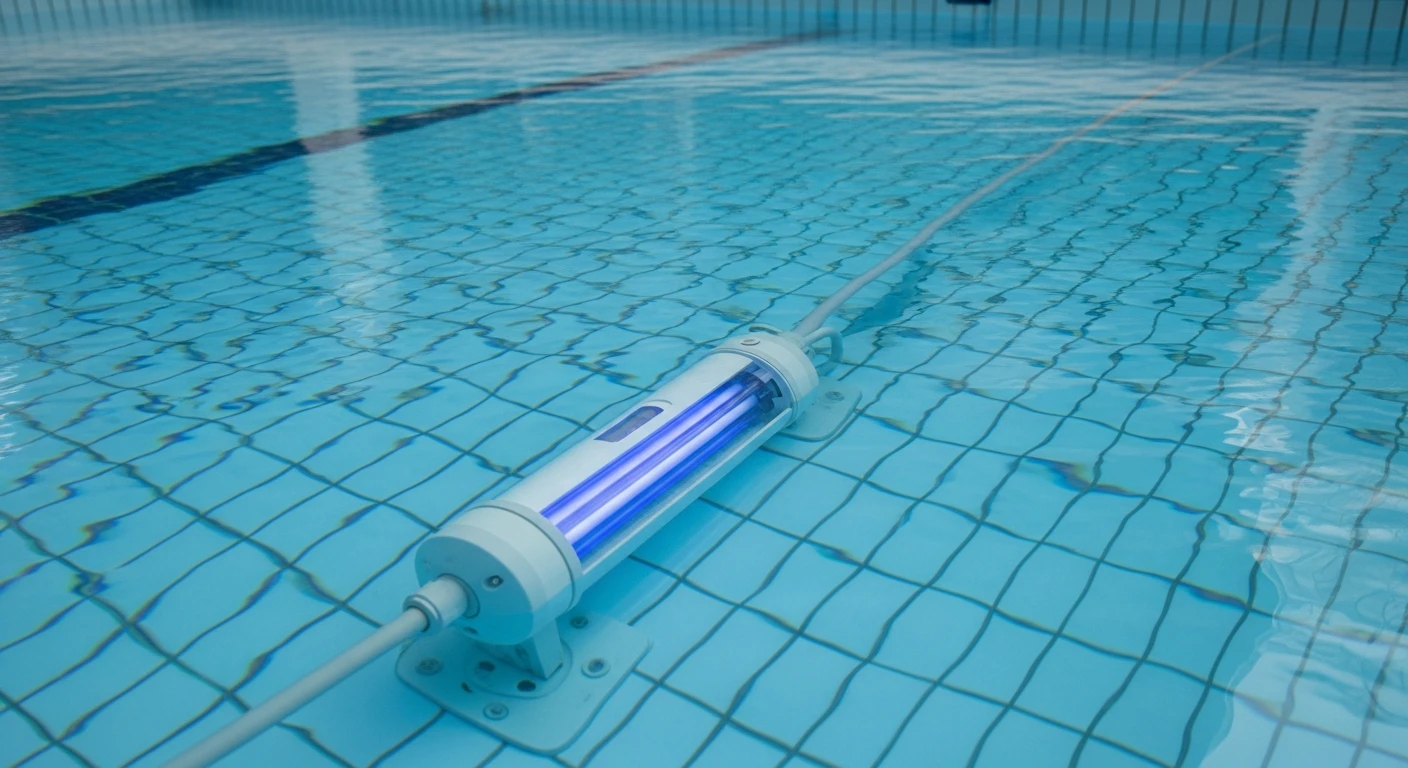
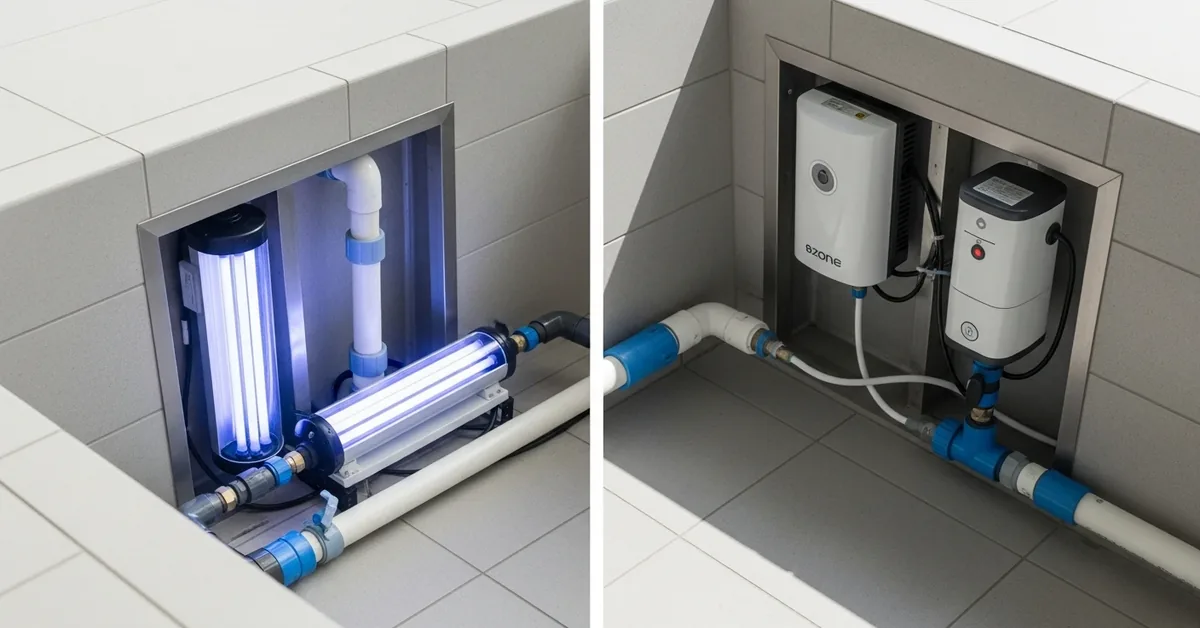
Understanding how these technologies work is key to appreciating their combined power. They are not interchangeable. UV-C sanitation is a physical process. As water passes the lamp, light at the 254-nanometer wavelength scrambles the DNA of microorganisms, making them unable to reproduce. It's incredibly effective, but it has no residual effect; it only treats the water as it passes the lamp. It is a line-of-sight technology, meaning shadows or turbidity can hinder its performance. Ozonation, on the other hand, is an oxidative process. An ozone generator creates O3 molecules, a powerful oxidizer that destroys contaminants on contact. It has a much higher oxidation-reduction potential (ORP) than chlorine. The "pulo do gato" here is that ozone also provides a short-lived residual effect in the water, continuing to sanitize for a brief period after injection. This is perfect for complex plumbing systems or large pools where immediate, system-wide oxidation is needed to break down organic waste like sweat and sunscreens. For Pasco homes, I often recommend a hybrid or AOP (Advanced Oxidation Process) system. We use ozone as the primary oxidizer to clarify the water and reduce the chemical load, followed by a correctly sized UV unit as a final germicidal barrier. This dual-stage approach provides total protection.System Sizing and Implementation for Pasco County Homes
Proper implementation is more critical than the brand of equipment you choose. After my initial diagnostic, the installation follows a strict sequence of operations. This isn't just bolting a unit to the wall; it's about integrating it into your existing plumbing for maximum efficacy.- Step 1: Pre-Filtration. This is non-negotiable in Pasco County. I install a sediment filter and a water softener or scale-inhibiting system before the UV unit. This protects the quartz sleeve from mineral buildup, ensuring the UV-C light can penetrate the water effectively for the entire service life of the lamp.
- Step 2: Flow Rate Verification. I perform a real-world test to confirm the home's maximum flow rate. The UV unit must be sized to handle this peak demand; otherwise, water will pass through too quickly for the necessary contact time (CT) to achieve a 99.9% kill rate.
- Step 3: Ozone Injector Placement. The Venturi injector for the ozone system must be placed correctly within the plumbing loop to create the suction needed to draw the O3 gas into the water stream. Incorrect placement results in zero ozone delivery.
- Step 4: UV Chamber Installation. I always install the UV chamber vertically, with the inlet at the bottom. This is a small detail that many installers miss. It ensures the chamber remains full of water and purges any air, preventing lamp overheating and guaranteeing full contact.
Post-Installation Calibration: The Difference Between Effective and Ineffective
My job isn't done after the last pipe is tightened. The final 10% of the work provides 50% of the long-term value. This involves precision calibration. I use a handheld ORP meter to verify that the ozone system is elevating the water’s oxidative potential to the target range of 650-750 mV. This confirms active sanitation. For the UV system, I check the intensity sensor (if equipped) and educate the homeowner on the lamp's effective lifespan, which is typically 9,000 hours or about one year of continuous operation. The lamp may still light up after this period, but its germicidal wavelength output will have degraded by over 30%, falling below the effective dosage. Marking the calendar for a replacement is a critical action for maintaining water safety. Given the intense sunlight and high organic load in Pasco County pools and homes, is your current purification method truly addressing the full microbial threat, or is it just masking problems with an endless cycle of chemicals?Written by

Tags
uv pools
swimming pool uv system
uv light pool sanitizer
ultraviolet pool system
UV and Ozonation Technology in Pasco FL FAQ
Can I completely stop using chlorine if I install a UV or ozone system?
No, you cannot eliminate chlorine entirely, but you can significantly reduce its use by 50-80%. UV and ozone systems are powerful sanitizers that destroy contaminants as water passes through them, but they do not leave a lasting residual sanitizer in the main body of the pool. A low level of chlorine, typically 0.5-1.0 parts per million, is still required to act as a residual sanitizer, ensuring that any new bacteria or algae introduced by swimmers or debris are neutralized before they can multiply. Relying solely on UV or ozone would leave the pool water unprotected once it returns from the equipment pad.
My pool installer said ozone will damage my cover and equipment. Is that true?
This is a valid concern, but modern systems are designed to prevent it. High concentrations of ozone gas can indeed degrade certain materials, but properly installed systems use a degassing unit or a mixing chamber that ensures excess ozone is neutralized before the water returns to the pool. This process prevents harmful off-gassing that could damage a vinyl liner or a solar cover. When choosing a system, verify it includes an effective method for ozone destruction or containment, which is a critical feature often overlooked in cheaper, less-engineered units.
What's the real difference between a UV system and an ozonator? Do I need both?
UV systems use ultraviolet light to inactivate microorganisms, while ozonators inject ozone gas to oxidize and destroy them. The key difference is that ozone also acts as a powerful oxidizer, breaking down non-living organic waste like lotions and oils, which improves water clarity. Combining them, often in a single unit, provides a multi-layered sanitation barrier. This dual approach is highly effective at destroying chloramines—the compounds responsible for the 'chlorine smell' and irritation—which neither system can eliminate as effectively on its own. While not strictly necessary, having both offers the most robust, low-chemical water treatment.
How often do I need to replace the bulb in my UV system or the chip in my ozonator?
UV lamps typically require replacement every 9,000 to 14,000 operating hours, which usually translates to every 12 to 24 months depending on usage. Ozone generators using corona discharge technology have components, like a chip or cartridge, that last from 2 to 5 years. It is critical to replace these on schedule, even if they still appear to be working. A UV bulb's germicidal effectiveness drops significantly after its rated lifespan, even though it still emits visible light, leaving your pool under-sanitized and vulnerable to outbreaks like black algae.
Will adding a UV or ozone system affect my pool's pH level?
Ozone systems can have a minor effect, tending to slightly raise the pool's pH over time. This is because the process of injecting and mixing ozone gas can cause some carbon dioxide to off-gas from the water, which reduces acidity. In contrast, a UV sterilizer has virtually no impact on water balance, as it is a physical process that does not add or remove any substances. In either case, the effect is gradual and easily managed with routine chemical testing and adjustments, ensuring you maintain the crucial pH range of 7.2 to 7.6 for bather comfort and equipment protection.
I have a salt chlorine generator. Is it redundant or even harmful to add UV or ozone?
It is not redundant; in fact, it creates a highly effective and synergistic system. A salt chlorine generator (SCG) produces chlorine, which provides the necessary residual sanitizer, while the UV or ozone unit handles the primary sanitation load and destroys chloramines. This combination allows you to run your salt cell at a much lower output setting, significantly extending its lifespan, which can be a costly replacement. The systems do not conflict; they complement each other by targeting different sanitation tasks, resulting in exceptionally clean water with a minimal chemical feel and reduced wear on your equipment.