Custom Pool Design in Manatee County: My Framework for Mitigating Hydrostatic Lift and Saltwater Corrosion
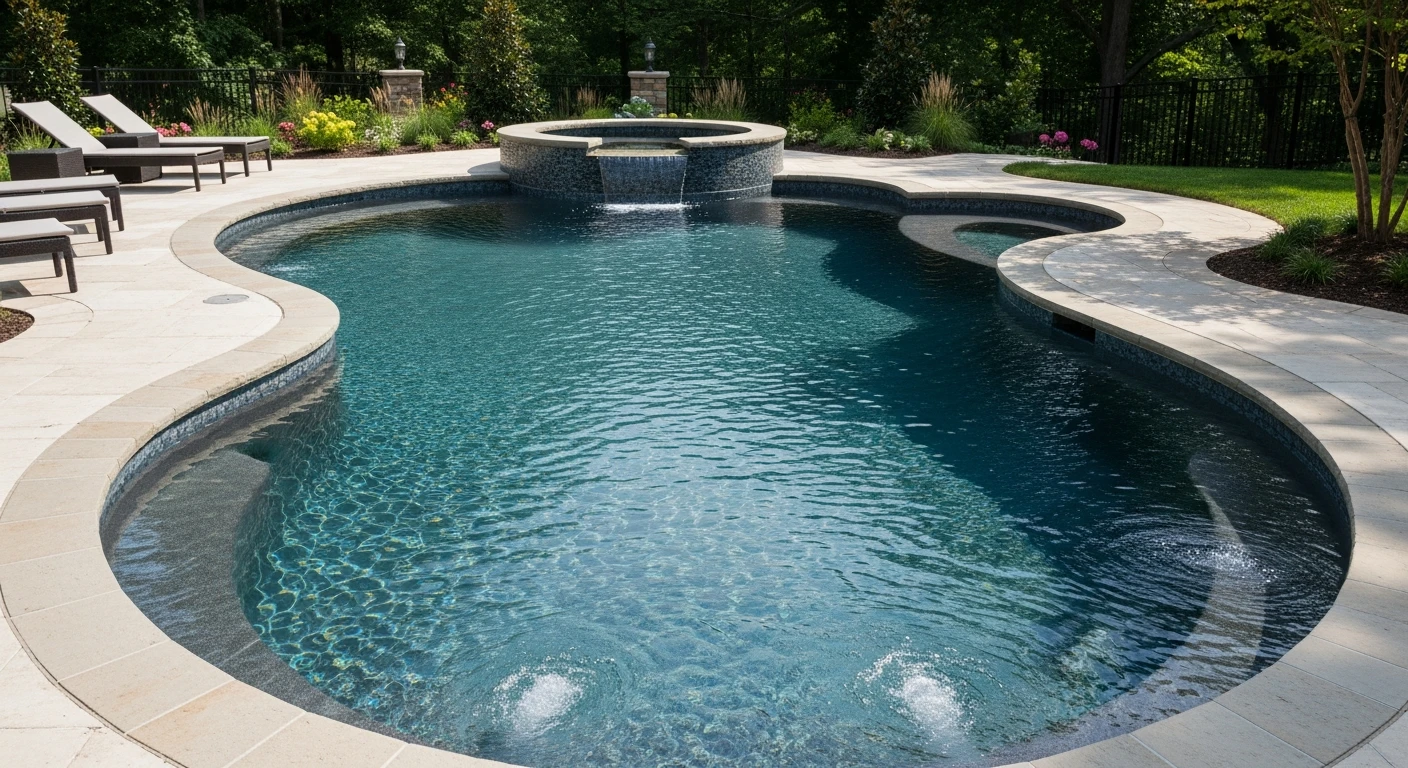
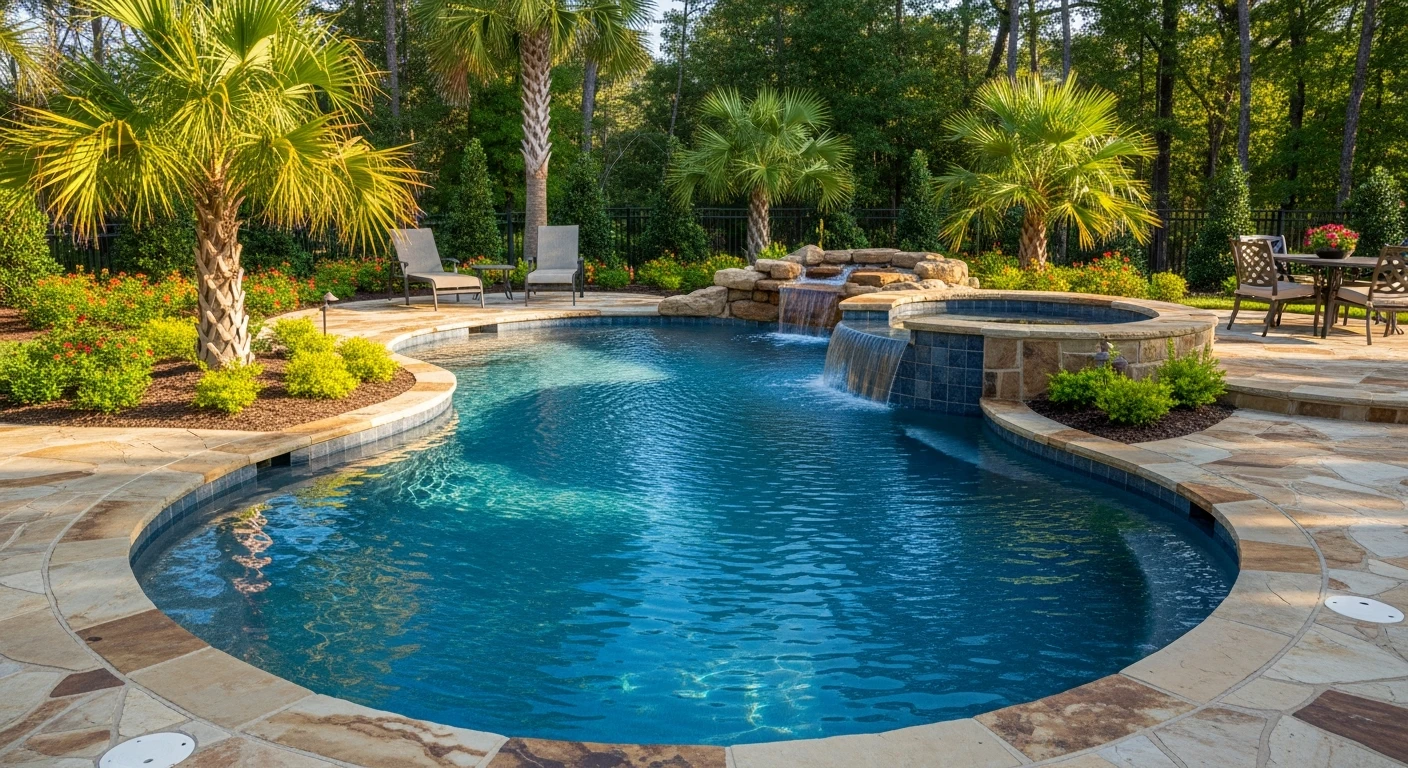
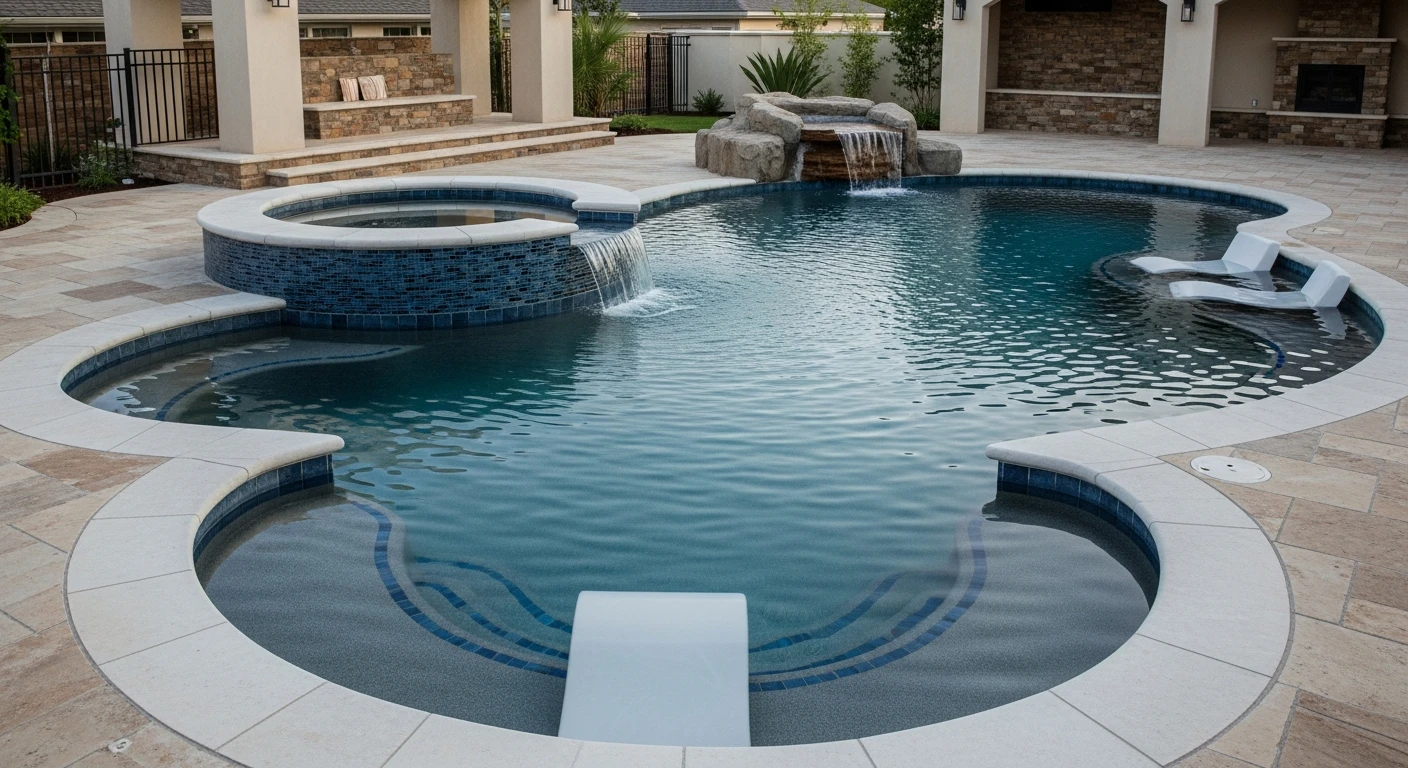
When I consult on custom pool projects in Manatee County, I find most homeowners are focused on aesthetics—the infinity edge overlooking the Manatee River or the perfect sun shelf for their Lakewood Ranch home. The critical failure point, however, isn't the tile choice; it's the unseen battle against our local environment: high water tables and corrosive salt air. A standard pool design, often copied from a drier climate, is a ticking time bomb here, leading to structural cracks and equipment failure within years, not decades. My entire approach is built on preempting these failures. I’ve seen pools near Anna Maria Island where the saltwater environment ate through standard rebar, causing concrete spalling that cost more to fix than the initial installation. My methodology directly addresses the geotechnical and atmospheric challenges unique to our coastal and inland communities, ensuring the pool’s structural integrity is the primary, non-negotiable foundation of the design.Decoding Manatee County's Unique Pool Failure Points
The most expensive mistake I see is a builder treating all of Florida's ground the same. The sandy, porous soil and high water table, especially during our rainy season, create immense hydrostatic pressure. This upward force from groundwater can literally lift a poorly designed pool shell out of the ground or cause catastrophic cracks. I once diagnosed a pool in a Bradenton golf community that was losing inches of water a week; the cause was a hairline fracture from hydrostatic stress that a standard inspection missed. My proprietary methodology, the "Coastal Resilience Blueprint," begins with a mandatory geotechnical soil report for every project. This isn't an optional upgrade; it's the core of the design process. It tells me exactly what I'm building on, the seasonal water table height, and the soil's load-bearing capacity. This data dictates the shell thickness, the rebar specification, and, most importantly, the drainage and hydrostatic relief system required to guarantee a 30-year structural lifespan.My Coastal Resilience Blueprint: Material Selection & Geotechnical Analysis
A beautiful design is worthless if the materials fail. For any property east of I-75, the concern is primarily hydrostatic pressure. For anything west, particularly on the islands or in waterfront communities, saltwater aerosol corrosion becomes an equally powerful threat. My blueprint specifies material and engineering protocols based on the project's precise location. A key element is moving beyond standard 3000 PSI shotcrete. For high-water-table areas, I specify a minimum of 4000 PSI shotcrete with a waterproofing admixture. This isn't just stronger; it's significantly less porous, reducing water ingress that can reach the rebar. For rebar itself, the standard steel is a non-starter in coastal zones. I mandate epoxy-coated or fiberglass rebar to completely eliminate the risk of rust and subsequent concrete cancer. This small upfront investment increases the structural longevity by at least 40%.The Phased Implementation Protocol for a Zero-Failure Pool
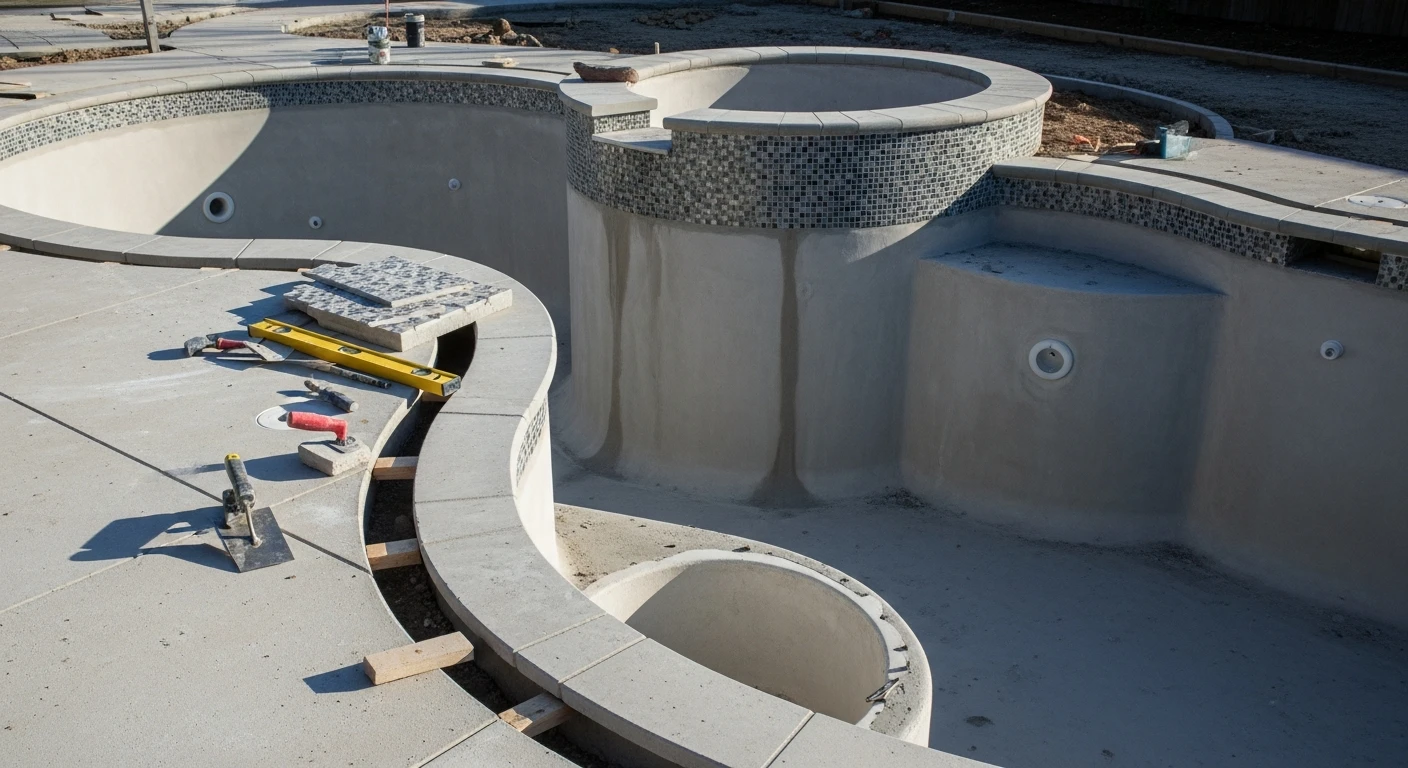
Building a resilient pool isn't about one single trick; it's about a sequence of operations executed with precision. Deviating from this sequence is where hidden flaws are introduced. I personally oversee these phases to ensure compliance.- Phase 1: Geotechnical Validation & Site Engineering. We don't just dig a hole. We de-water the site and install a robust French drain system connected to a hydrostatic relief valve at the pool's main drain. This is the single most critical action to protect the pool shell.
- Phase 2: Structural Cage & Plumbing Stub-Out. Every piece of rebar is tied, not welded, and spaced according to the engineer's report, not a generic template. All plumbing lines are pressure-tested to 35 PSI for 24 hours *before* any concrete is applied. I caught a pinhole leak on a Palma Sola project at this stage that would have been a nightmare to locate later.
- Phase 3: Shotcrete Application & Curing. The concrete must be applied monolithically to avoid cold joints. The critical part is the cure; the shell must be consistently hydrated for a minimum of 7 to 10 days to reach its design strength. Rushing this is the most common shortcut I see.
- Phase 4: Waterproofing & Equipment Installation. We apply a two-part cementitious waterproofing membrane before the final finish. For equipment, I use sealed, corrosion-resistant motors and heat exchangers, specifically rated for saline environments, to prevent premature failure.
Post-Cure Quality Control: My Non-Negotiable Benchmarks
The job isn't done when the pool is full of water. The final adjustments are what separate a good build from an exceptional one. My final sign-off depends on clearing several benchmarks. The interior finish must be free of all mottling or streaks, which indicates an improper chemical startup. All plumbing must be balanced, ensuring the skimmer and main drain have the correct suction ratio for optimal filtration and safety. I perform a final equipment calibration to optimize flow rates and turnover time, which can reduce daily energy consumption by up to 15%. This isn't just about turning it on; it's about tuning the system for Manatee County's high-demand summer climate, ensuring the pump isn't overworked and the filter operates at peak efficiency. This meticulous final check is what guarantees the performance matches the design's promise. Before you approve your final pool design, have you asked the builder to specify their hydrostatic relief valve strategy and the grade of rebar they intend to use for our unique Manatee County environment?Written by

Tags
custom inground pool
luxurious pool designs
design your own pool
design my own pool
Custom Pool Design in Manatee FL FAQ
What is custom pool design?
Custom pool design is a process of creating a unique and personalized swimming pool design tailored to an individual's specific needs, preferences, and lifestyle. Our experienced team of designers and engineers work closely with clients to understand their requirements and bring their vision to life.
Why choose custom pool design over pre-made designs?
Custom pool design offers numerous benefits, including increased functionality, improved aesthetics, and enhanced overall swimming experience. Pre-made designs may not fully incorporate your specific needs, resulting in a pool that doesn't meet your expectations. With custom design, you have complete control over the process and can ensure your pool is tailored to your unique requirements.
What factors do you consider during the design process?
Our team considers various factors during the design process, including climate and weather conditions, surrounding landscape, architectural style of your home, desired functionality, budget, and personal preferences. We also take into account any specific requirements or constraints, such as space limitations or local building codes.
Can I make changes to the design during the process?
Yes, you can make changes to the design during the process. We encourage clients to provide feedback and suggestions throughout the design phase. Our team is committed to ensuring that your final design meets your expectations and is tailored to your specific needs.
How long does the design process typically take?
The design process typically takes around 2-6 weeks, depending on the complexity of the design and the level of customization required. We work closely with clients to ensure that the design is completed efficiently and effectively, while still meeting their specific needs and expectations.
What are the benefits of a custom-designed pool?
A custom-designed pool offers numerous benefits, including increased functionality, improved aesthetics, and enhanced overall swimming experience. A custom-designed pool can also increase your home's value, provide a unique selling point, and offer a unique feature that sets your home apart from others.
Can I integrate my custom pool design with my existing outdoor space?
Yes, we can integrate your custom pool design with your existing outdoor space. Our team works closely with clients to ensure that the pool design complements and enhances the surrounding landscape, creating a seamless transition between indoor and outdoor living areas.
Do you offer 3D visualization and rendering services?
Yes, we offer 3D visualization and rendering services as part of our design process. Our team uses state-of-the-art software to create realistic and detailed 3D models of your custom pool design, allowing you to visualize and interact with your design before construction begins.
Can I get a quote for my custom pool design?
Yes, we'd be happy to provide a quote for your custom pool design. Please contact us with your design requirements and specifications, and we'll be in touch with a detailed quote and project timeline.
What is the typical cost range for custom pool design services?
The typical cost range for custom pool design services varies depending on the complexity of the design, the location, and the level of customization required. On average, our custom pool design services can range from $5,000 to $20,000 or more, depending on the scope of the project.