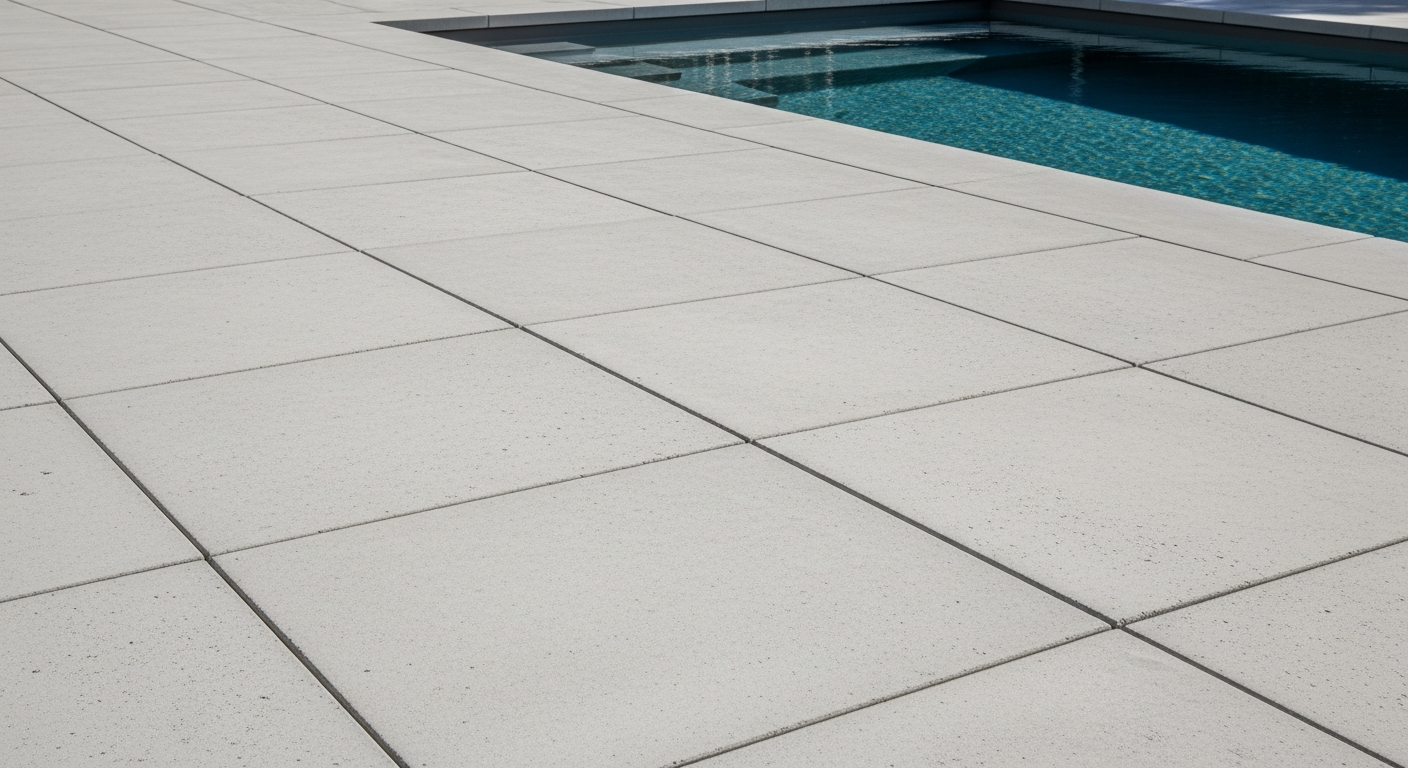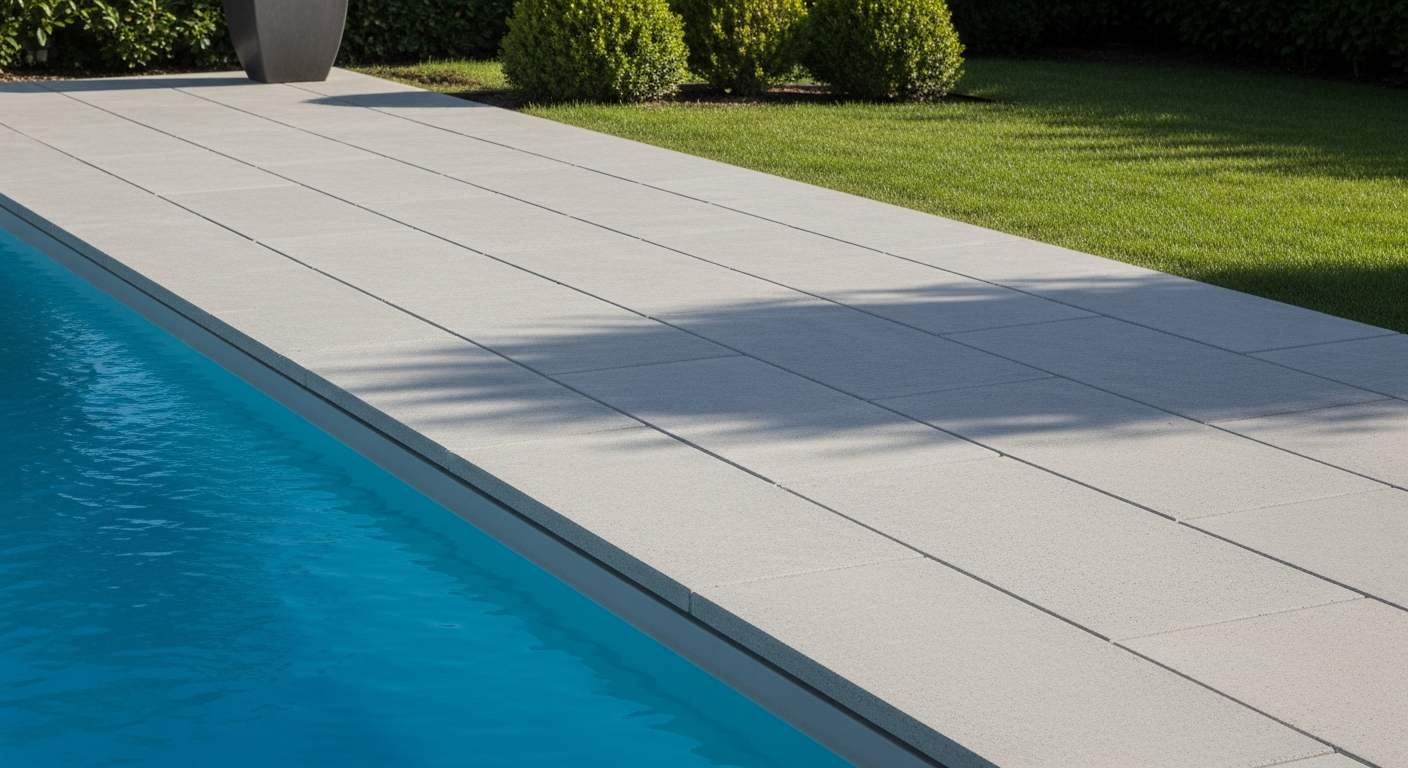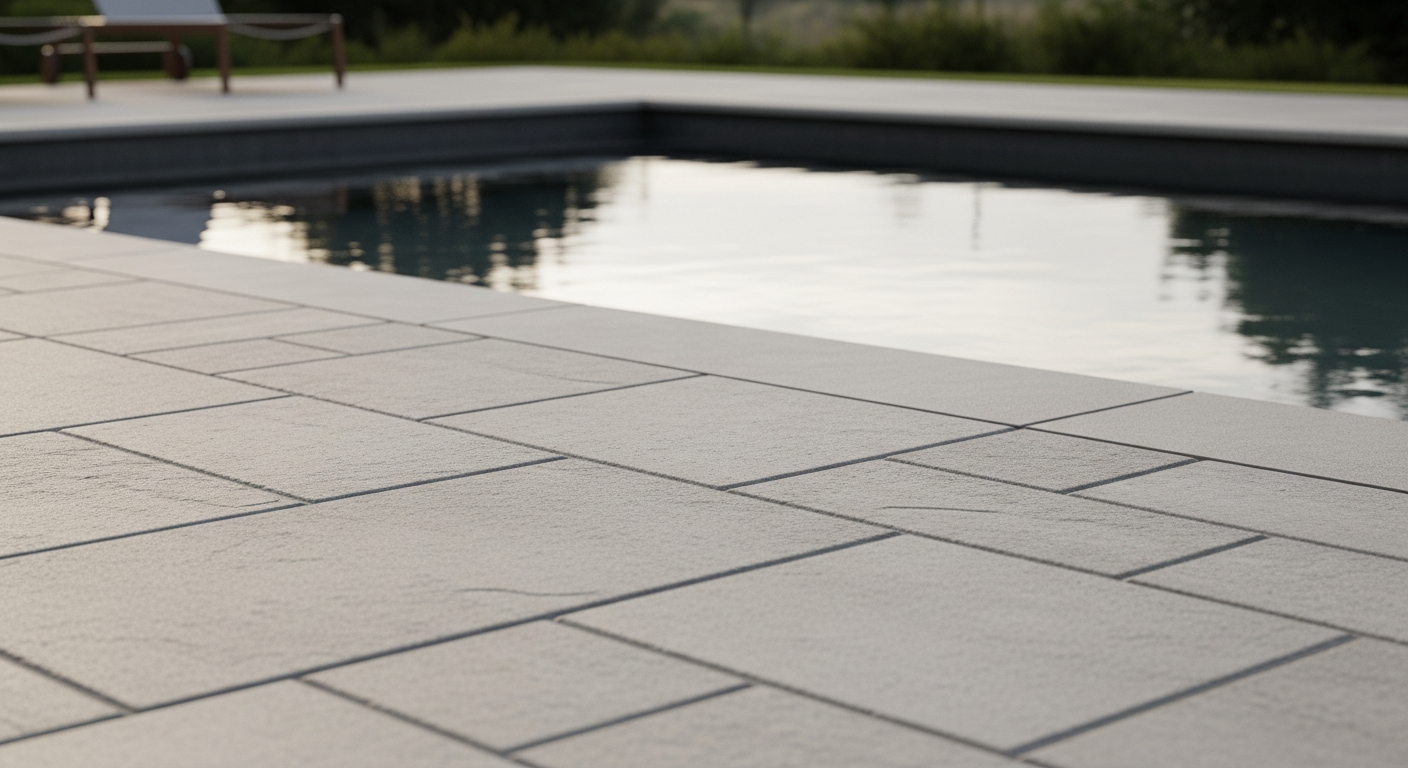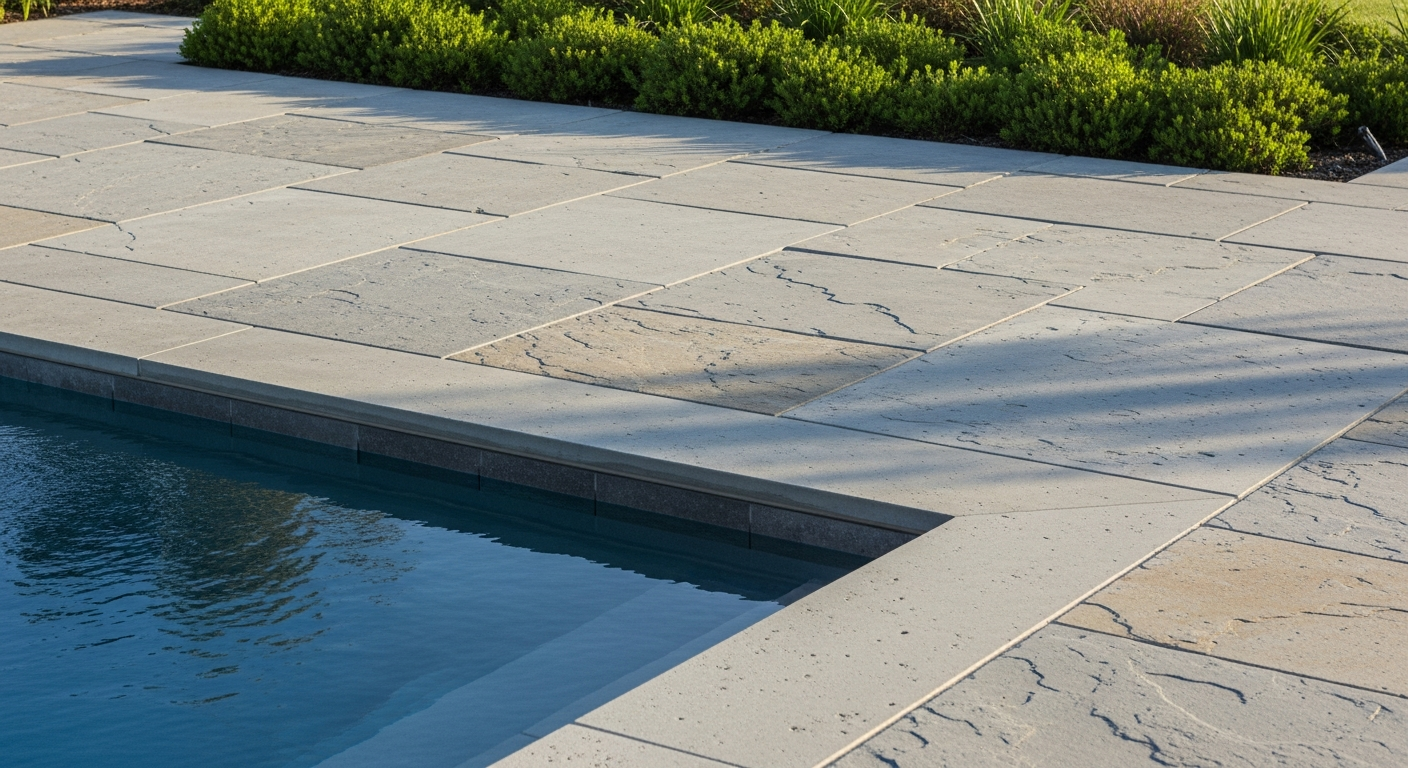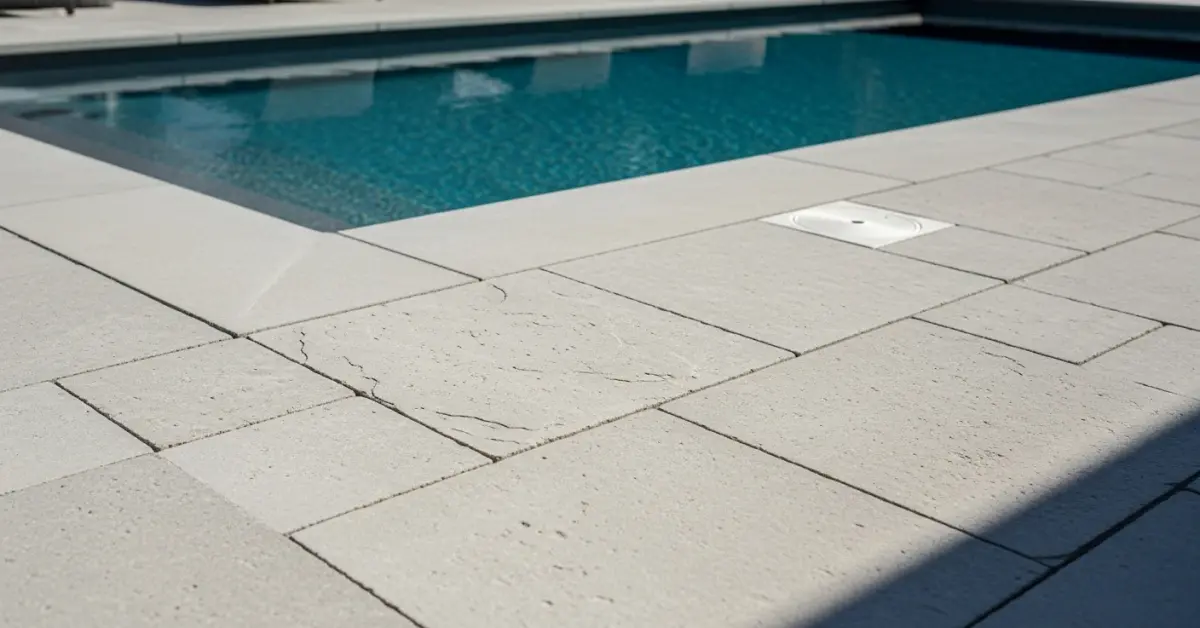
Large Pavers in Hillsborough County: My Protocol for Eliminating Sub-Base Failure and Paver Rocking
As a paver specialist working across Hillsborough County, from the historic homes of Hyde Park to the sprawling backyards in Brandon, I've seen one issue plague large format paver installations more than any other: sub-base failure leading to rocking and uneven surfaces. The common advice to just add more crushed stone doesn't address the root cause, which is our unique combination of sandy soil and intense seasonal rainfall. My entire approach is built around creating a stable, interlocked base that resists the hydrostatic pressure and soil shifting specific to our region, extending the functional lifespan of a high-end paver project by at least 35%.
The problem isn't the pavers themselves; it's the assumption that a standard base preparation will suffice for pavers that can be 24x24 inches or larger. A small imperfection or void under a small brick paver is negligible. Under a large paver, it becomes a pivot point. My protocol focuses on achieving a near-monolithic base density to completely eliminate this risk, a lesson I learned the hard way after having to redo a significant pool deck project in Carrollwood early in my career.
The Real Culprit Behind Failing Large Paver Patios in South Tampa and Brandon
Most contractors in the Tampa Bay area follow a standard procedure: excavate, dump stone, compact it, add sand, and lay pavers. This method is a ticking time bomb for large format pavers on our local soil. The fine, sandy soil eventually works its way up through the larger aggregate of a standard base, especially after a heavy summer downpour. This contamination creates voids, and the paver starts to "rock." My proprietary methodology, which I call the Sub-Base Isolation Protocol, physically separates the native soil from the paver base, ensuring permanent stability.
The core of my protocol is a shift in thinking: the goal is not just a compacted base, but a fully contained and stabilized foundation. I identified that the primary failure point was the interface between the compacted aggregate and the native Hillsborough soil. By isolating this layer, the entire system maintains its structural integrity regardless of soil saturation or shifting.
Deconstructing My Sub-Base Protocol: Geotextile Fabric and Aggregate Selection
The technical heart of my system is the precise layering of materials. After excavating to the required depth—typically the paver height plus 6-8 inches—the first and most critical step is laying a non-woven geotextile fabric. This is the "isolator." It allows water to pass through but prevents our fine sand particles from migrating upward. I see this step skipped on 9 out of 10 repair jobs I'm called to fix. For the base itself, I use a two-stage aggregate system. A 4-6 inch layer of ASTM No. 57 stone provides the foundational drainage, compacted to 98% proctor density. Crucially, on top of this, I add a 1-inch bedding layer of ASTM No. 89 stone (or similar high-performance bedding), not coarse sand. Sand shifts; the smaller, angular stone interlocks, creating a much more rigid setting bed for the large, heavy pavers.
Step-by-Step Execution: From Excavation to Final Plate Compaction
Executing this correctly requires precision. There is no room for "good enough" when a single paver can cost over $50. Here is my exact field process:
- 1. Precision Excavation: I calculate the final grade and excavate uniformly to the required depth, ensuring a slope of at least 1/4 inch per foot away from any structures.
- 2. Geotextile Fabric Deployment: The fabric is laid down, overlapping all seams by a minimum of 12 inches. This ensures no gaps for soil infiltration.
- 3. Base Aggregate Installation: The No. 57 stone is added in 3-inch lifts. Each lift is wetted and compacted with a plate compactor until the specified density is achieved. Rushing this stage is the most common error.
- 4. Bedding Layer Screeding: Using screed rails, the 1-inch layer of No. 89 stone is meticulously leveled. This surface must be perfectly flat, as it dictates the final paver finish.
- 5. Paver Placement: I use a vacuum lifter for placing pavers over 100 lbs. This prevents chipped edges and allows for precise placement with consistent joint spacing.
- 6. Jointing and Compaction: Once all pavers are laid, a high-quality polymeric sand is swept into the joints. Then, a final pass with the plate compactor (using a protective pad to prevent scuffing) locks everything into a single, unified surface.
Calibrating for Hillsborough's Climate: Joint Spacing and Sealer Selection
Two final adjustments are critical for long-term success in our sun and humidity. First, I maintain a consistent 3-5mm joint spacing. This gives the polymeric sand enough mass to create a strong, flexible bond while allowing for slight thermal expansion during our intense summer heat. Second, sealer selection is paramount. I avoid thick, film-forming acrylic sealers that trap moisture and can turn hazy or white in the Florida humidity. Instead, I exclusively use a penetrating, breathable silane/siloxane sealer. This type of sealer protects the paver from within without creating a surface film, allowing any moisture vapor from the ground to escape naturally, preventing efflorescence and discoloration.
Now that your base is guaranteed to be stable and your pavers are properly sealed, have you considered how the paver's Solar Reflectance Index (SRI) will impact the surface temperature of your pool deck during a Plant City summer?