Ozone Pool Systems: My Blueprint for a Stable 750mV ORP and a 90% Reduction in Chloramine Load
I've audited dozens of high-end residential and commercial pools where the owner invested heavily in an ozone system, only to be frustrated by inconsistent water clarity and a lingering "pool smell." The core issue is almost never the ozone generator itself; it's a fundamental misunderstanding of its role. They treat it as a chlorine replacement, when its true power lies in being a master oxidizer that works in synergy with a minimal halogen residual. My entire approach is built around a single, non-negotiable Key Performance Indicator: Oxidation-Reduction Potential (ORP).
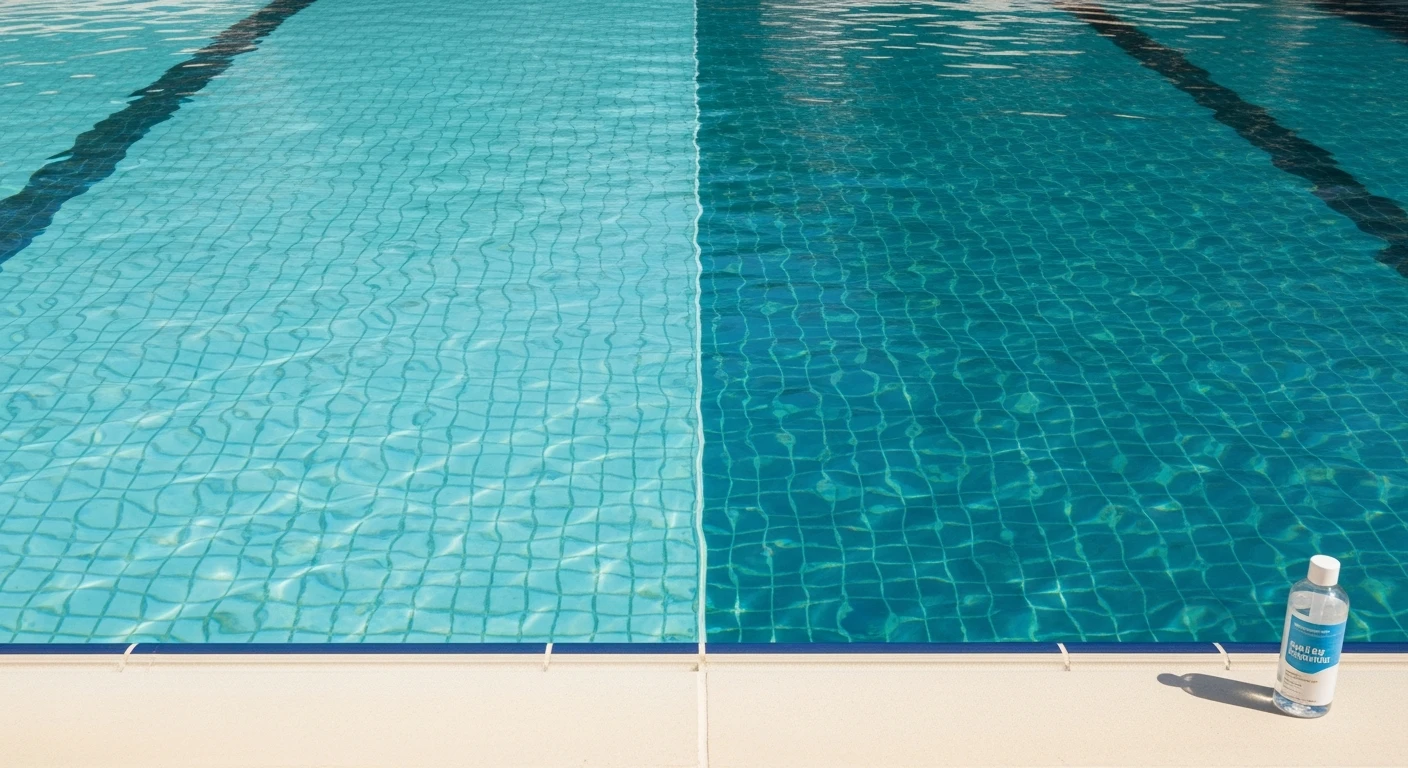
Forget generic advice. The key to unlocking an ozone system's potential is to stop thinking about ozone output in grams per hour and start managing the pool's ORP in millivolts (mV). A properly integrated ozone system isn't just about sanitation; it's about creating an aquatic environment with such a high oxidative state that contaminants like lotions, oils, and nitrogen compounds are obliterated on contact. This process is what leads to a 90% reduction in combined chlorine (chloramines) and delivers that "crystal clear" water that feels soft on the skin, a goal I consistently achieve for my clients by focusing on the ORP feedback loop.
My ORP-Centric Diagnostic Protocol for Ozone Systems
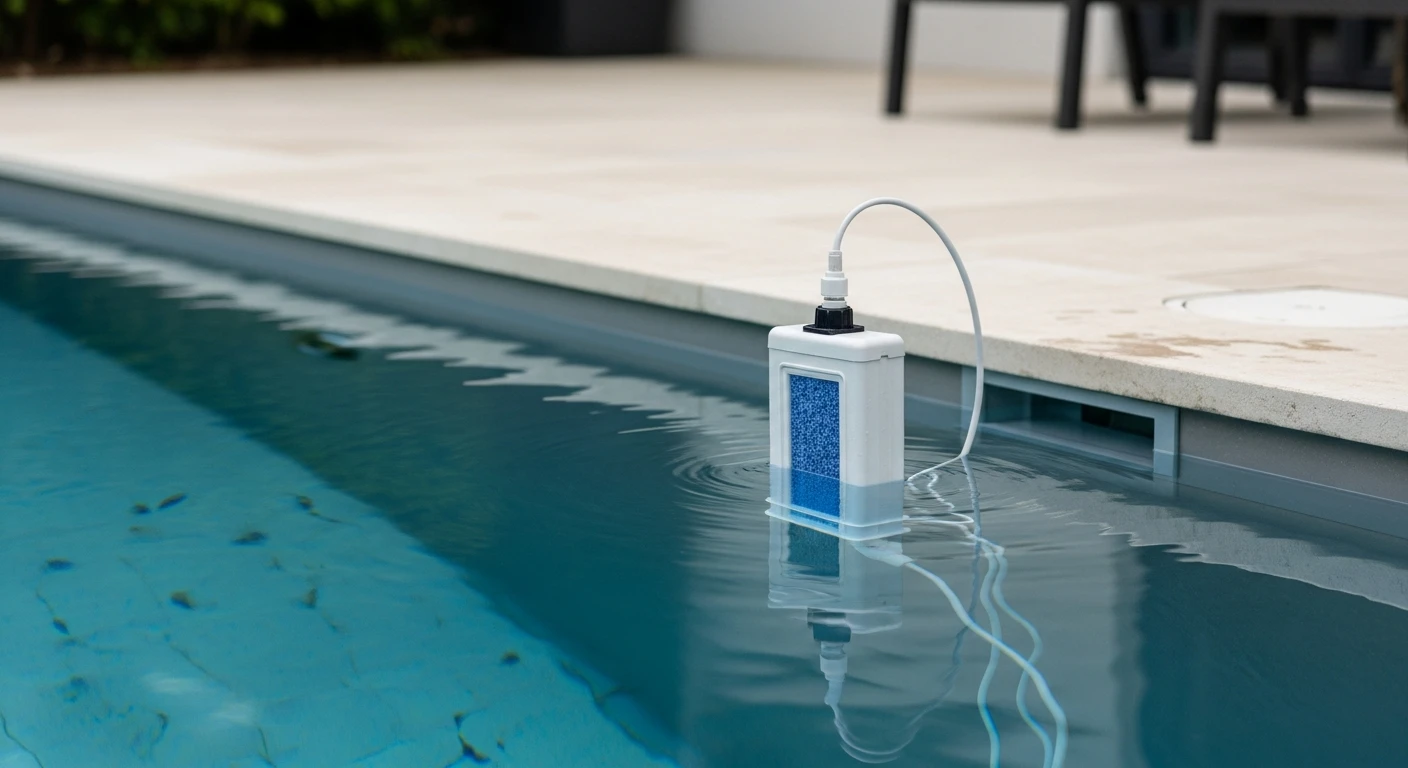
Before I even touch an ozone generator, my first step is to establish an ORP baseline of the existing pool water. I’ve found that most pool maintenance routines are reactive, adding chemicals when the water looks bad. My methodology is predictive. I use a calibrated digital ORP meter to measure the water's "oxidizer demand." A pool struggling below 500mV has a high demand, meaning organic waste is winning the battle. A system that can’t sustain a reading above 650mV is either undersized, improperly installed, or both. This diagnostic tells me exactly how hard the new ozone system will have to work. The most common error I find, even in architect-designed projects, is a focus on the generator's rated output without accounting for the efficiency of the ozone injection and mixing method.
The Technical Divide: Why Corona Discharge (CD) is Non-Negotiable
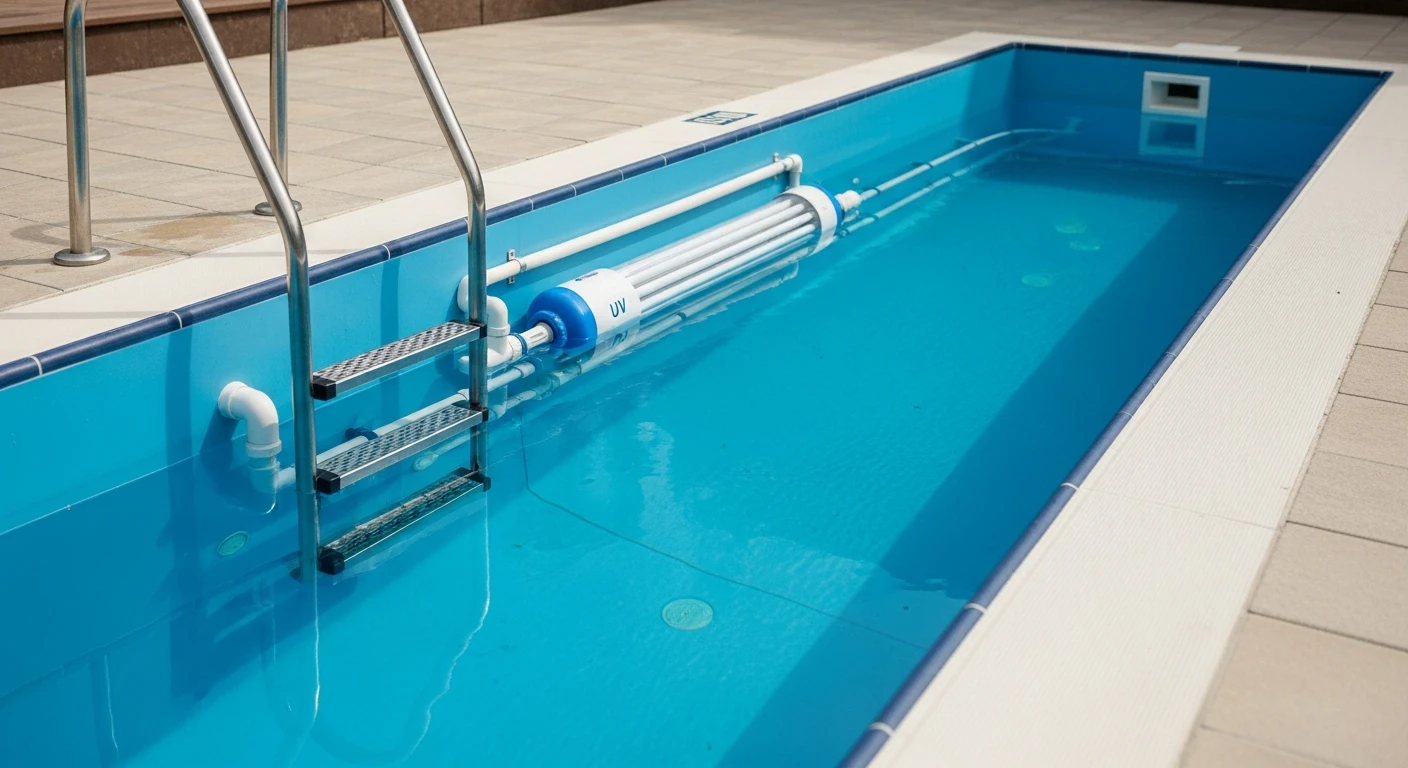
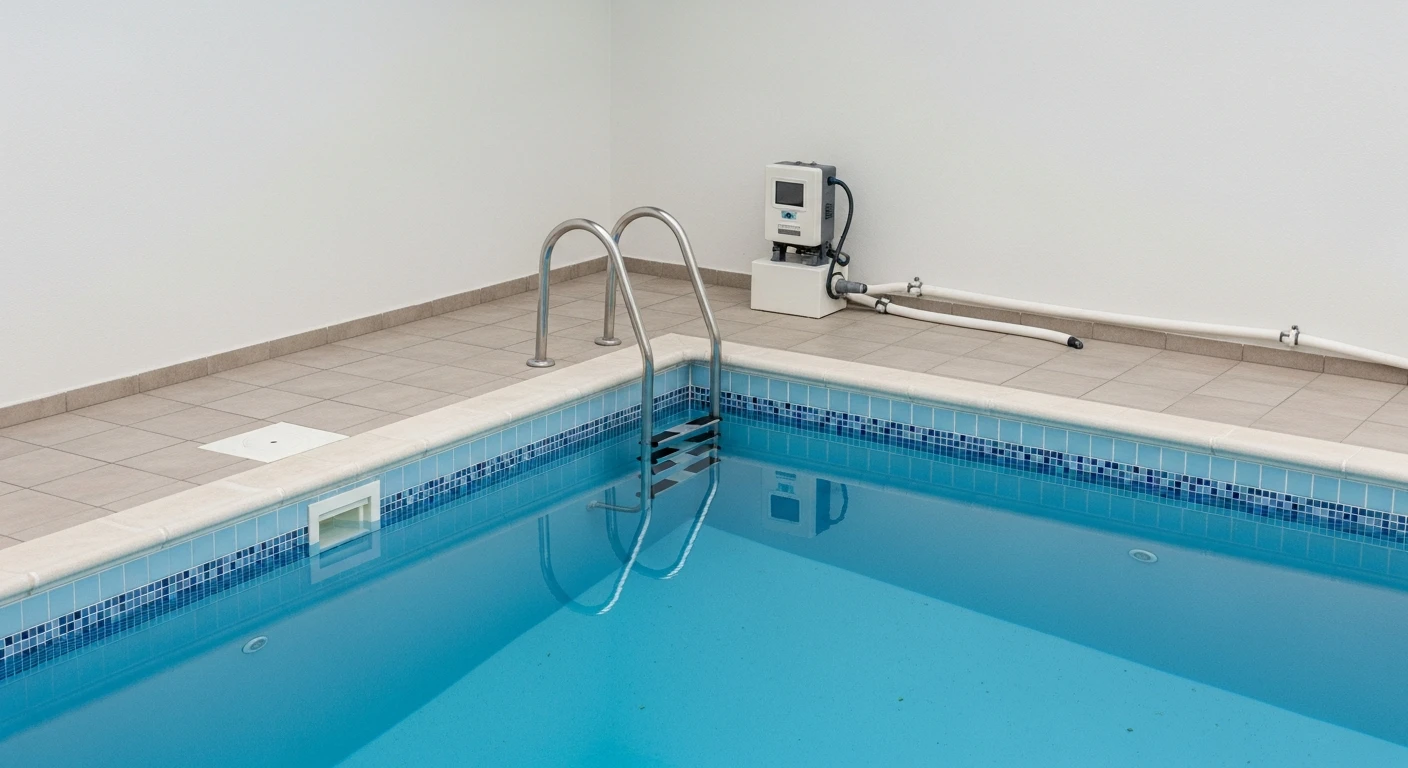
Let's get technical. There are two primary ways to generate ozone for pools: Ultraviolet (UV) light and Corona Discharge (CD). In my experience, UV-based ozone generators are fundamentally inadequate for achieving the high ORP levels required for superior water quality. They produce a lower concentration of ozone (around 0.5% by weight) and their lamps degrade over time. I learned this the hard way on an early project where we couldn't break the 600mV ORP ceiling, leading to recurring algae issues. In contrast, a modern CD generator with a dielectric barrier discharge chamber produces ozone at concentrations of 3% to 6%. This high concentration is critical because it more effectively overcomes the pool's inherent oxidizer demand, allowing the ORP to climb rapidly and remain stable. When I specify a system, it is always a CD unit fed with air passed through an air dryer, as moisture is the primary enemy of efficient CD ozone production.
System Integration: A Blueprint for Maximum Ozone Efficacy
A powerful CD generator is useless if the ozone isn't properly dissolved into the water. My proprietary installation blueprint focuses on maximizing mass transfer efficiency. This isn't just a recommendation; it's a set of mandatory steps for any system I commission.
- Step 1: Generator Sizing Protocol. I use a baseline of 1 gram/hour of ozone output for every 10,000 gallons of water, but I adjust this upward by as much as 25% for high bather loads or pools with significant sun exposure, which increases organic demand.
- Step 2: The Critical Placement of the Venturi Injector. The injector, which uses differential pressure to pull ozone gas into the water stream, must be installed in the main plumbing line *after* the filter and *before* any heater. Placing it before the filter introduces bubbles that can reduce filter efficiency. Placing it after the heater can expose the heater's internals to highly concentrated, aggressive ozone.
- Step 3: Mandating a Mixing Chamber/Contactor. Simply injecting ozone into a pipe is not enough. I insist on the installation of a contactor tank or a static mixer immediately after the venturi. This forces the ozone-rich water through a series of baffles, dramatically increasing the contact time and dissolution of O3 gas into the water before it returns to the pool. This step alone can increase ozone transfer efficiency from a dismal 50% to over 90%.
- Step 4: Calibrating the ORP Controller. The system's "brain" is the ORP controller. I perform a two-point calibration using a 475mV solution before it ever touches pool water. I then set the ORP target to 750mV. The controller will now cycle the ozone generator on and off to precisely maintain this level, preventing over-oxidation and ensuring maximum efficiency.
Tags
ozone for pools
uv ozone pool system
ozone and uv pool systems
ozone generator for swimming pool
Ozone Pool Systems FAQ
What is an ozone pool system?
An ozone pool system is a type of water treatment system that uses ozone gas to sanitize and disinfect pool water. Ozone is a natural and powerful oxidizing agent that effectively breaks down contaminants and bacteria, providing a safe and healthy swimming environment.
How does an ozone pool system work?
An ozone pool system works by generating ozone gas, which is then injected into the pool water. The ozone gas reacts with the water to break down contaminants, bacteria, and other impurities, leaving the water clean and clear.
What are the benefits of using an ozone pool system?
The benefits of using an ozone pool system include reduced chemical usage, improved water quality, and a safer swimming environment. Ozone systems also reduce chlorine usage, which can be harsh on skin and hair, and produce fewer byproducts that can affect the pool environment.
Is an ozone pool system more expensive than traditional chlorine systems?
While the initial cost of an ozone pool system may be higher than a traditional chlorine system, the long-term savings and benefits can be significant. Ozone systems require less maintenance and fewer chemicals, which can reduce operating costs over time.
Can I install an ozone pool system myself?
While it is possible to install an ozone pool system yourself, it is recommended to hire a professional pool technician to ensure proper installation and configuration. Improper installation can lead to reduced effectiveness and potential damage to the system or pool equipment.
How often should I maintain my ozone pool system?
Regular maintenance is essential to ensure the effectiveness and longevity of an ozone pool system. This includes regular inspections, cleaning, and replacement of components as needed. Refer to your system's user manual for specific maintenance recommendations.
What kind of support does your company offer for ozone pool systems?
Our company offers comprehensive support for ozone pool systems, including technical assistance, repair services, and spare parts. We also provide regular maintenance and maintenance planning to help ensure the optimal performance of your system.
Is ozone pool water safe for human consumption?
While ozone pool water is safe for human consumption, it is not recommended for drinking. Ozone systems are designed for pool sanitation and disinfection, and the water may not meet drinking water standards. Always drink bottled or filtered water for human consumption.
Can ozone pool systems be used in saltwater pools?
Yes, ozone pool systems can be used in saltwater pools. However, it is recommended to consult with a professional pool technician to ensure proper configuration and installation of the system. Saltwater pools have unique requirements and may require special considerations.
How do I know if an ozone pool system is right for my pool?
To determine if an ozone pool system is right for your pool, consider the size and type of your pool, the amount of use it gets, and your desired level of water quality. A professional pool technician can also assess your pool's specific needs and recommend the best system for your situation.