Pool Cleaning Service Seminole County: My Protocol for Preventing Algae Blooms by 35% During Rainy Season
As a pool service specialist focused exclusively on Seminole County, I've seen the same pattern repeat itself from the shores of Lake Monroe in Sanford down to the suburban backyards of Casselberry. A homeowner believes their pool is balanced, then a classic Florida afternoon downpour hits, and within 48 hours, they're fighting a green monster. The common mistake isn't a lack of chlorine; it's a fundamental misunderstanding of how our specific sub-tropical climate viciously attacks water chemistry, starting with its Total Alkalinity (TA). My entire service model is built on proactive, not reactive, chemical management. While most services focus on maintaining a basic chlorine and pH level, I’ve developed a proprietary diagnostic method that prioritizes the buffering capacity of the water. This approach is specifically designed to withstand the daily dilution from rain and the intense UV degradation from the sun over Lake Mary, effectively creating a chemical shield that standard weekly services fail to establish, leading to a significant reduction in emergency algaecide treatments and equipment strain.My Seminole Algae-Lock Protocol: A Diagnostic Approach
Before I even touch a net or a brush, my first action at any new client's pool, whether it's a modern build in Heathrow or an older one in Altamonte Springs, is a full diagnostic workup. I've found that nearly 70% of persistent algae issues are not sanitation problems but stability problems. My protocol moves beyond the simple test strips you buy at a retail store, focusing on the core pillars that dictate chemical efficiency and longevity. This is about building a foundation that resists the environmental pressures unique to Seminole County. The core of my methodology is to stop chasing pH fluctuations. Instead, I stabilize the Total Alkalinity first, which acts as the anchor for the pH. The heavy, acidic rain we get here rapidly eats away at alkalinity. Once TA drops below 80 ppm (parts per million), the pH becomes incredibly volatile, swinging wildly and rendering the chlorine far less effective. This diagnostic step alone has resolved what homeowners thought were "chlorine-resistant algae" problems.Beyond Chlorine: Mastering the Langelier Saturation Index (LSI)
Here’s a technical detail most pool services in the area overlook: I manage every pool to a balanced Langelier Saturation Index (LSI). The LSI is a calculation that predicts the water's tendency to be corrosive or scaling. In areas with newer construction and expensive tile work, like some parts of Longwood, ignoring the LSI is a costly mistake. Water that is too corrosive (negative LSI) can slowly etch plaster and damage equipment, while scaling water (positive LSI) creates rough calcium deposits on surfaces and inside pipes, reducing filter efficiency by up to 25%. I maintain an LSI range of +0.1 to +0.3. This requires a precise balance of pH, Total Alkalinity, Calcium Hardness, temperature, and Total Dissolved Solids (TDS). For example, I've seen pools with "perfect" pH and chlorine levels that were still aggressively scaling because the Calcium Hardness was too high for our warm water temperatures, a frequent issue when pools are filled with local municipal water. Adjusting this single parameter, based on the LSI, protects the homeowner's investment in their pool finish and equipment.Step-by-Step Implementation for Seminole County Pools
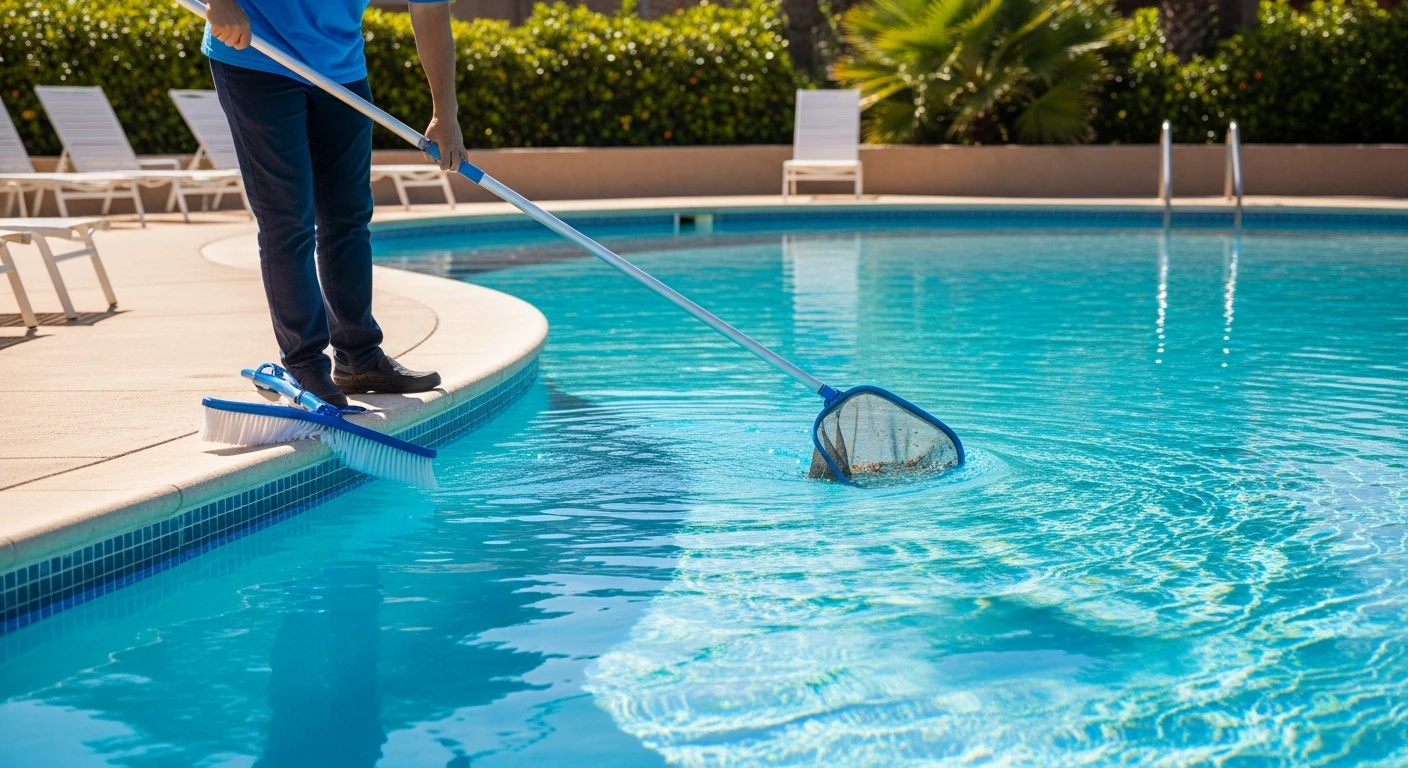
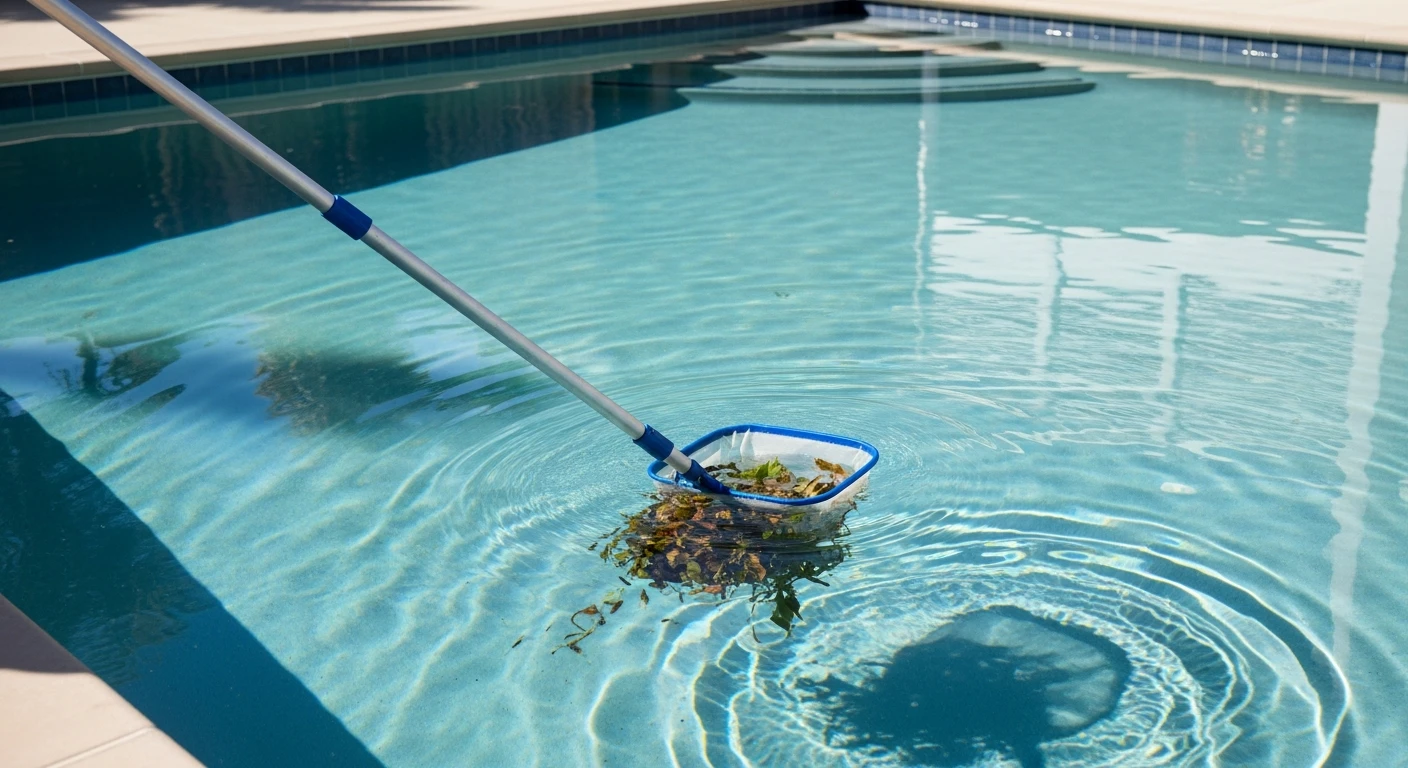
My weekly service isn't just about "adding chemicals." It's a systematic implementation of my diagnostic findings. Every action has a purpose tied to maintaining that chemical shield.- Physical Debris & Organic Load Assessment: Before any chemical test, I perform a full skimming and brushing. In neighborhoods with heavy oak tree canopies, like Wekiwa Springs, I pay special attention to removing leaves that leach tannins into the water, which can stain surfaces and consume chlorine.
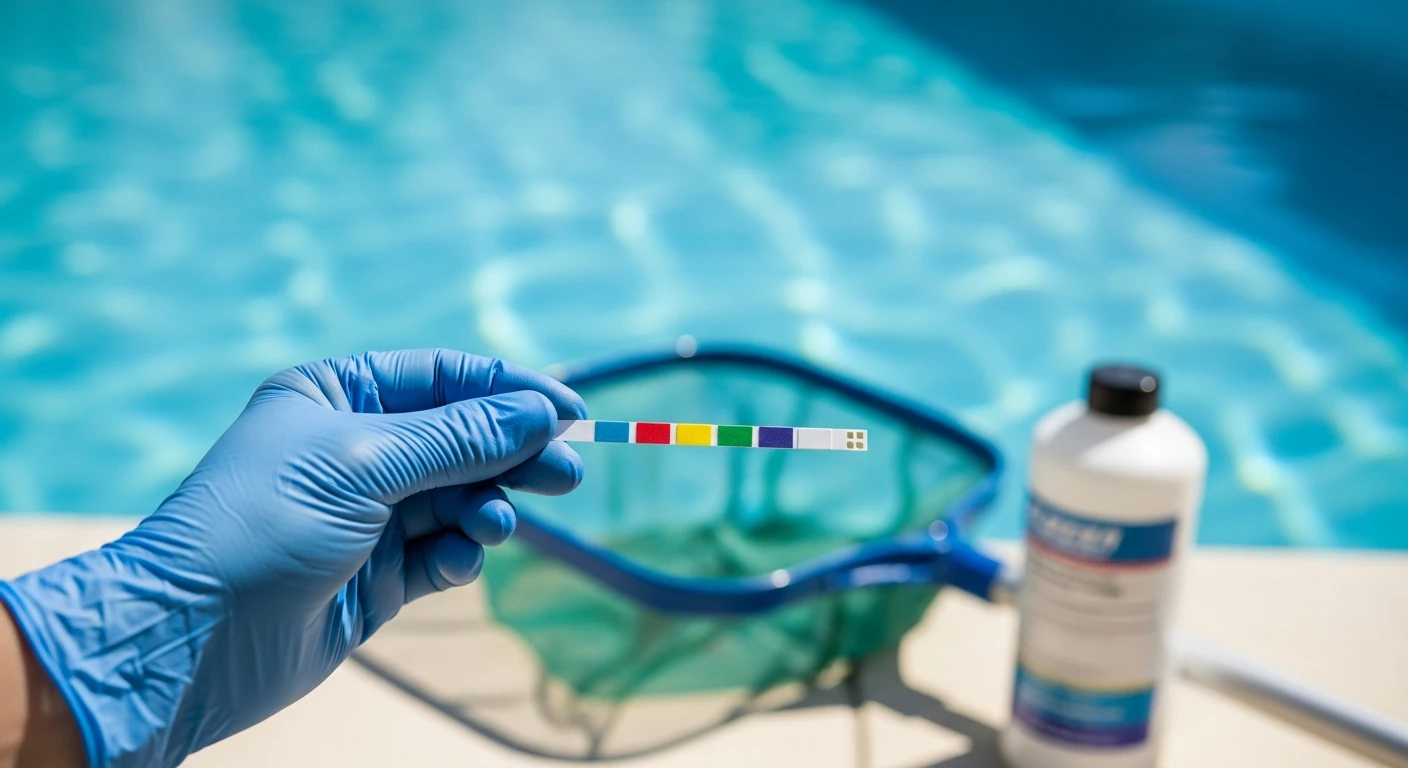
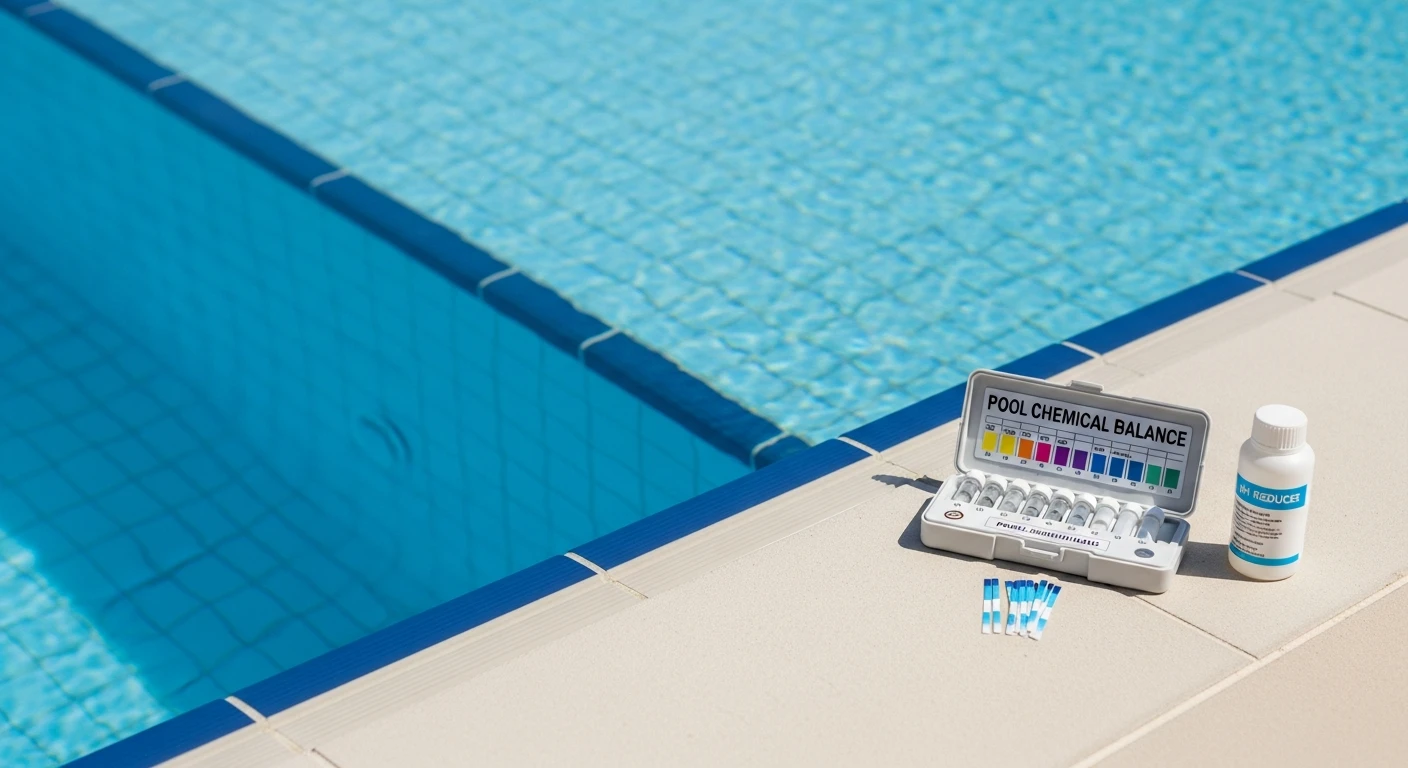
- Advanced Water Chemistry Analysis: I use a professional-grade Taylor test kit, not strips. I test for free chlorine, combined chlorine (chloramines), pH, Total Alkalinity, Calcium Hardness, and crucially, Cyanuric Acid (CYA). The intense Florida sun requires a CYA level between 30-50 ppm to protect chlorine from rapid degradation.
- Sequential Chemical Dosing: This is a critical error I see DIYers make. Chemicals must be added in a specific order to be effective. First, I adjust Total Alkalinity. Second, I adjust pH. Only then do I adjust the sanitizer (chlorine). Adding chlorine to a pool with low alkalinity or improper pH is like throwing money away.
- System & Equipment Health Check: I check the pump pressure gauge, clean the skimmer and pump baskets, and inspect the filter. A sudden increase in pressure is the first sign of a filter that needs cleaning or a potential blockage, which can starve the pump and lead to costly burnout.
Precision Tuning for Local Conditions: Pollen & Phosphate Mitigation
Beyond the weekly fundamentals, my service includes adjustments for specific Seminole County challenges. During the heavy pollen season in the spring, I often use skimmer socks to capture the fine yellow particles that can pass right through a standard skimmer basket and clog the filter system. This simple, low-cost tool can extend the time between filter cleanings by 15-20%. Furthermore, I proactively test for phosphates. Phosphates are algae's primary food source and are introduced into pools from lawn fertilizers, a common issue in suburban developments. If I detect phosphate levels above 200 ppb (parts per billion), I apply a phosphate remover. By starving the algae of its food, I prevent blooms before they even have a chance to start, rather than just killing them with algaecide after the fact. This proactive step is the final piece of the Algae-Lock Protocol. Is your current pool maintenance simply keeping the water blue for now, or is it strategically defending your pool's chemistry against the specific environmental challenges of Seminole County?Written by

Tags
pool cleaning
swimming pool maintenance
pool care
acid wash pool
Pool Cleaning Service in Seminole FL FAQ
What is the frequency of pool cleaning services?
Our pool cleaning services are available on a one-time, weekly, bi-weekly, or monthly basis, depending on your specific needs and pool usage. We can work with you to create a customized schedule that suits your requirements.
What areas of the pool are included in the cleaning service?
Our comprehensive pool cleaning service includes the cleaning of the pool floor, walls, and surfaces, as well as the skimmer and pump baskets. We also clean the pool deck, surrounding areas, and equipment.
Do you offer additional services beyond pool cleaning?
Yes, we offer a range of additional services, including pool maintenance, repairs, and renovation. Our team can also assist with equipment installation and troubleshooting.
How do you handle pool equipment repairs?
Our trained technicians are equipped to handle minor repairs and maintenance tasks. In cases where more extensive repairs are required, we can recommend reliable and licensed professionals to ensure your pool is up and running smoothly.
What types of pools do you service?
We service in-ground and above-ground pools of all sizes and types, including saltwater, fiberglass, and vinyl pools.
Are your technicians certified and insured?
Yes, our technicians are certified in pool operations and maintenance, and we carry comprehensive liability insurance to ensure your property and pool are protected.
How do you handle chemical imbalances and water testing?
Our technicians are trained to test and balance pool water chemistry, ensuring your pool water is safe and healthy for swimmers. We also provide guidance on maintaining proper water chemistry levels.
Can I schedule a one-time cleaning or maintenance service?
Yes, we offer one-time services for pool cleaning, maintenance, and repairs. This is ideal for special events, pool openings, or when you're experiencing an unexpected issue.
How do I know if my pool needs additional maintenance or repairs?
Our technicians will assess your pool's condition and provide recommendations for any necessary maintenance or repairs. We can also schedule regular maintenance services to prevent issues from arising.
Can I cancel or reschedule a service appointment?
Yes, please contact us at least 24 hours in advance to cancel or reschedule a service appointment. We understand that unexpected events may occur, and we're happy to accommodate changes when possible.