Saltwater Pool Conversion in Collier County: A Method for 30% Less Maintenance and Enhanced Equipment Longevity
Tired of the constant chlorine shock treatments and the chemical balancing act demanded by the intense Collier County sun? I'll break down the precise technical shift to a saltwater system that not only provides a superior swimming experience but also reduces your weekly chemical management by a measurable margin. This isn't about "softer water"; it's about achieving chemical stability and protecting your pool investment in Florida's challenging climate.Diagnosing Chlorine Inefficiency: My Salinity Stability Framework for Florida Pools
For years, I've serviced pools from the waterfront estates on Marco Island to the larger properties in Golden Gate Estates, and I've seen a consistent pattern of failure with traditional chlorine systems. The intense, year-round UV radiation we get in Southwest Florida degrades liquid chlorine and tablets at an astonishing rate. This forces homeowners into a costly cycle of "shock and rebalance" that never truly achieves stability. A common error I correct is the over-chlorination of pools in the peak summer months, which I've seen bleach vinyl liners and corrode pump seals prematurely. My Salinity Stability Framework is built on abandoning this volatile approach. Instead of dumping large doses of chlorine into the water, a saltwater system uses an electrolytic process to produce a pure, stable, low level of chlorine consistently. This micro-dosing is far more effective at managing algae and bacteria in our humid climate without the harsh chemical peaks. The result is a pool that is always sanitized and ready, a crucial benefit for the many "snowbird" residents in Naples who need a low-maintenance solution they can trust.The Core Component: Optimizing the Electrolytic Chlorine Generator for Naples' Climate
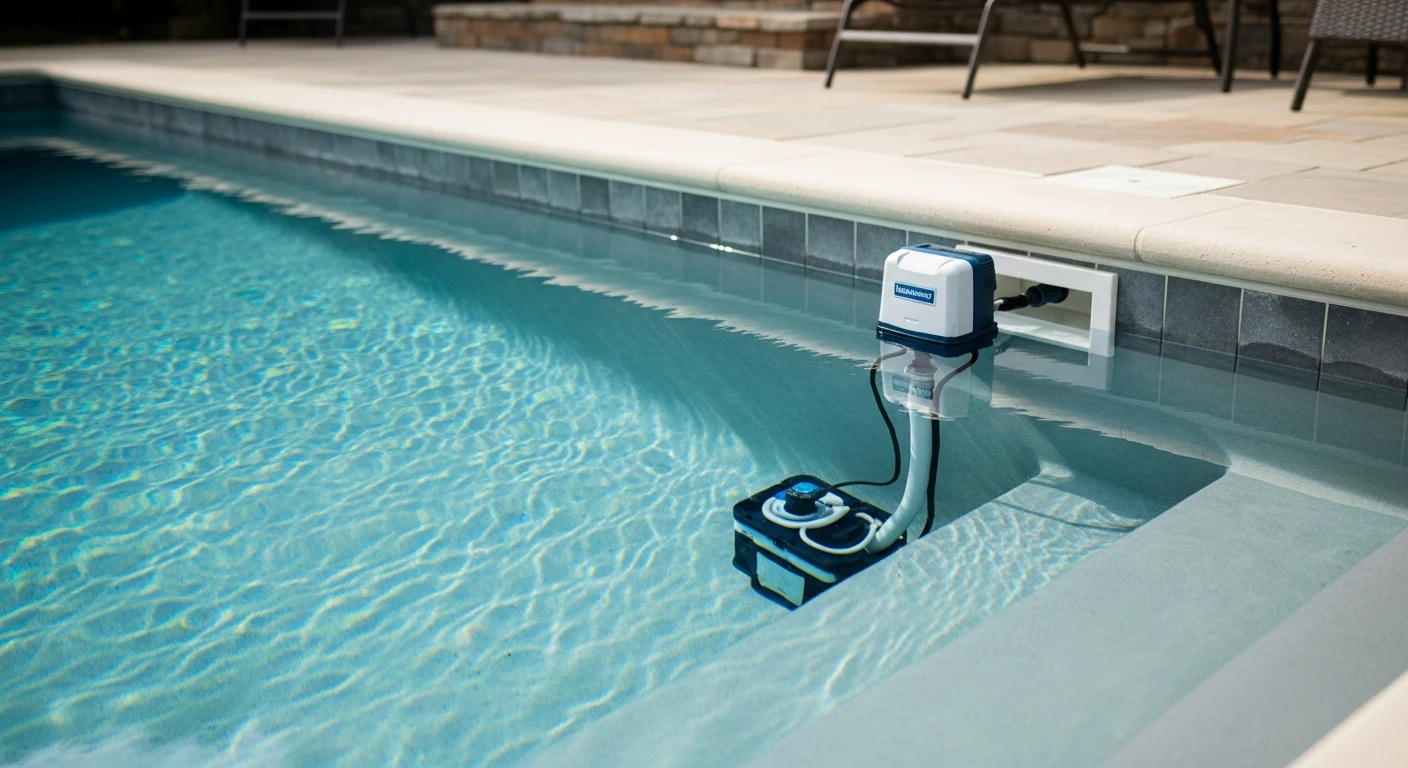
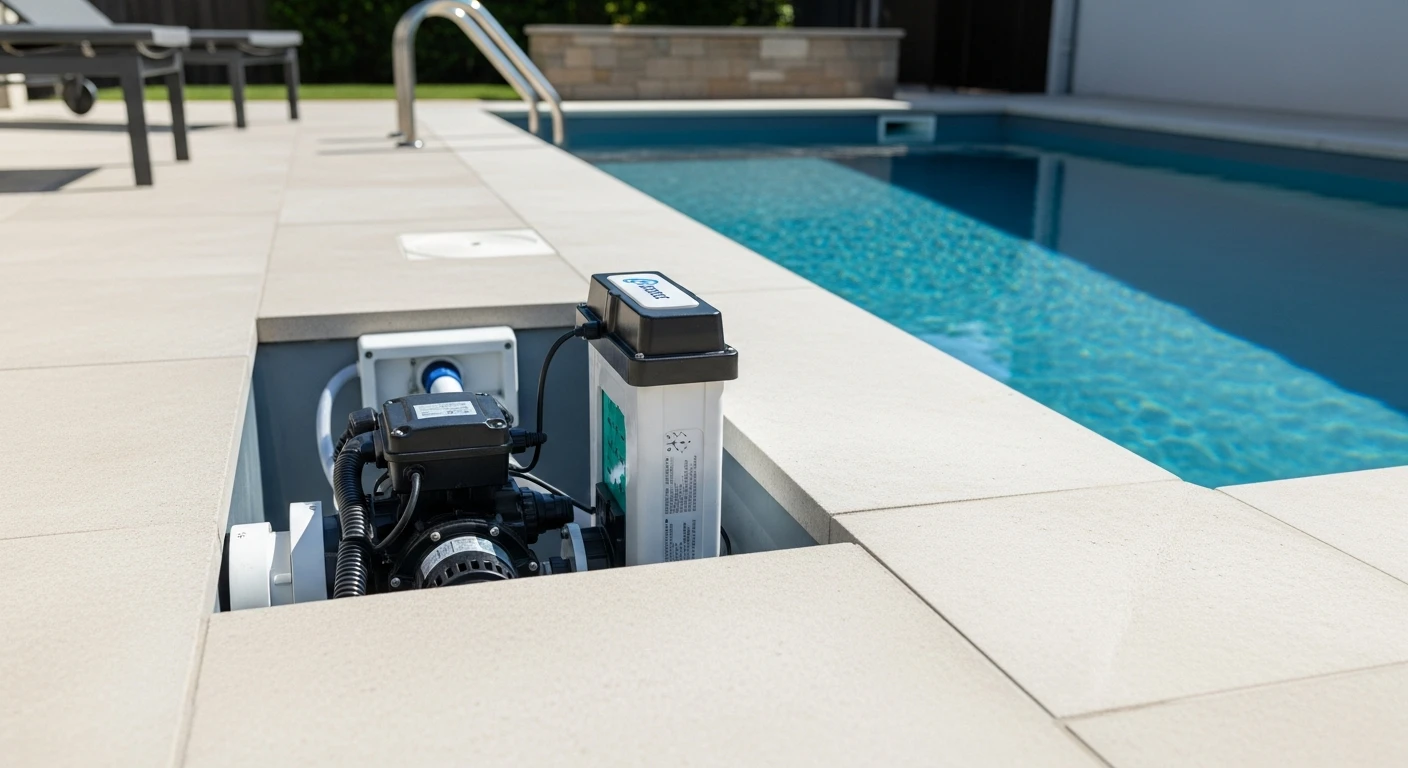
The heart of any conversion is the salt chlorinator cell. This is where the magic, and the potential for error, happens. Its ability to generate chlorine is directly impacted by water temperature, which is a major advantage for us in Collier County. Our warm water allows the cell to operate at peak efficiency for most of the year. However, this is also where many installations go wrong. I identified a critical flaw in a large-scale residential project in Naples where the contractors installed undersized generators on all the community pools to cut costs. These units were forced to run at 100% output around the clock to keep up with the bather load and sun exposure. As a result, the titanium plates within the cells failed in under two years, a fraction of their expected lifespan. My proprietary methodology insists on sizing a generator for at least 1.5 times the pool's actual gallonage. This allows the system to run at a lower, more efficient setting (around 40-60%), dramatically extending the cell's life and lowering energy consumption.Step-by-Step Conversion Protocol for Collier County Residences
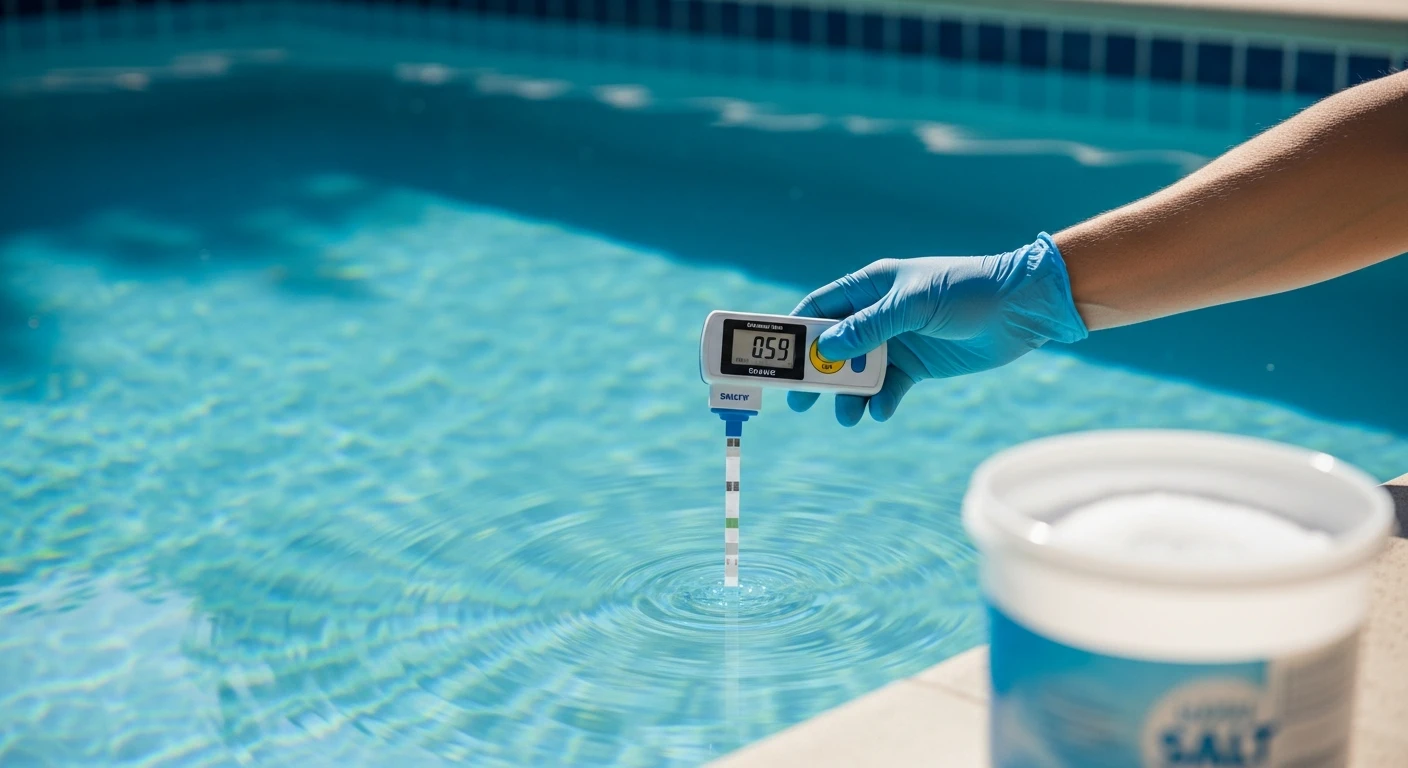
A successful conversion from traditional chlorine to saltwater is a matter of precision, not just plumbing. It's a systematic process that protects your pool's surfaces and equipment from day one. Here is the exact protocol I implement:- Water Chemistry Baseline: Before installing any hardware, I conduct a full water analysis. I'm not just looking at chlorine and pH. In Collier County, I pay special attention to calcium hardness and Total Dissolved Solids (TDS). High calcium levels, common in our municipal water, can cause severe scaling on a new salt cell, rendering it useless. Correcting this first is non-negotiable.
- System Installation and Bonding: The chlorinator cell and control panel are plumbed and wired. The most critical step here is ensuring the system is properly bonded to the pool's existing electrical grid. An unbonded system can lead to stray electrical currents in the water and accelerate equipment corrosion. I always verify the integrity of the bonding wire.
- Salt Introduction: This step requires precision. I calculate the exact amount of pure, granulated pool-grade salt (99.8%+ NaCl) needed to reach the target PPM level, typically around 3,200 PPM. A common mistake is using water softener pellets, which contain additives that can stain plaster and clog the cell. The salt is added to the deep end and brushed vigorously to dissolve, preventing concentrated piles from damaging the pool surface.
- System Activation & Calibration: I wait 24 hours for the salt to fully dissolve before activating the system. I start the chlorine generation at a conservative 50% output. Over the next 48 hours, I test the water repeatedly, fine-tuning the output percentage until I achieve a consistent and ideal free chlorine level (1-3 PPM).
Precision Tuning: Mitigating Galvanic Corrosion and pH Creep
Getting the system running is only half the battle. Long-term success comes from managing two technical issues that are almost always overlooked in standard installations. The first is galvanic corrosion. The slightly conductive nature of saltwater can turn your pool into a giant battery, causing metal parts like ladders, light rings, and heater cores to corrode at an accelerated rate. The single most important "pulo do gato" I can share is the installation of a sacrificial zinc anode. This small, inexpensive device corrodes in place of your expensive equipment, effectively saving you from thousands in future repairs. The second issue is "pH creep." The process of generating chlorine (creating sodium hypochlorite) has a byproduct that naturally causes the water's pH to rise. If left unchecked, high pH reduces the effectiveness of your chlorine and can lead to cloudy water and scaling. I train my clients to test for pH twice a week for the first month and to make small, regular adjustments with a pH decreaser. Mastering this simple routine is the final step to achieving a truly low-maintenance saltwater pool. Are you actively monitoring your pool's Total Dissolved Solids to prevent premature cell failure, or are you just testing for salt?Written by

Tags
salt water pool
salt pool
salt water swimming pool
salt in a pool
Benefits of Saltwater Pools in Collier FL FAQ
What are the benefits of saltwater pools?
Saltwater pools offer several benefits, including softer, healthier skin and hair, reduced eye irritation, and a more comfortable swimming experience. Saltwater pools also tend to require less chlorine, which can be beneficial for people with sensitive skin or respiratory issues.
How does saltwater affect my skin and hair?
The high salt content in saltwater pools can help to moisturize and soften your skin and hair, reducing the appearance of dryness and irritation. This is especially beneficial for people who suffer from skin conditions such as eczema or psoriasis.
Will saltwater pools still require chlorine?
Yes, saltwater pools still require some level of chlorine to maintain proper sanitation and hygiene. However, saltwater pools typically require less chlorine than traditional chlorinated pools, which can be beneficial for people with sensitive skin or respiratory issues.
How does saltwater affect my respiratory system?
Saltwater pools can be beneficial for people with respiratory issues, such as asthma, as the salt content can help to reduce inflammation and open up airways. Additionally, saltwater pools tend to produce fewer chemical fumes than traditional chlorinated pools.
Are saltwater pools more expensive to maintain?
Saltwater pools can be more expensive to install, as they require a specialized saltwater chlorine generator. However, saltwater pools tend to require less maintenance and fewer chemicals than traditional chlorinated pools, which can save you money in the long run.
Can I still use saltwater pool products with my traditional chlorinated pool?
No, saltwater pool products are specifically designed for use with saltwater pools and may not be compatible with traditional chlorinated pools. It's important to use products that are specifically designed for your type of pool to ensure proper maintenance and sanitation.
What are some common myths about saltwater pools?
Some common myths about saltwater pools include concerns about the high salt content being bad for your skin or hair, or that saltwater pools are more expensive to maintain. However, these myths are largely unfounded, and saltwater pools can offer many benefits for swimmers.