Swimming Pool Repair: My Leak Triangulation Protocol to Avoid Costly Excavation
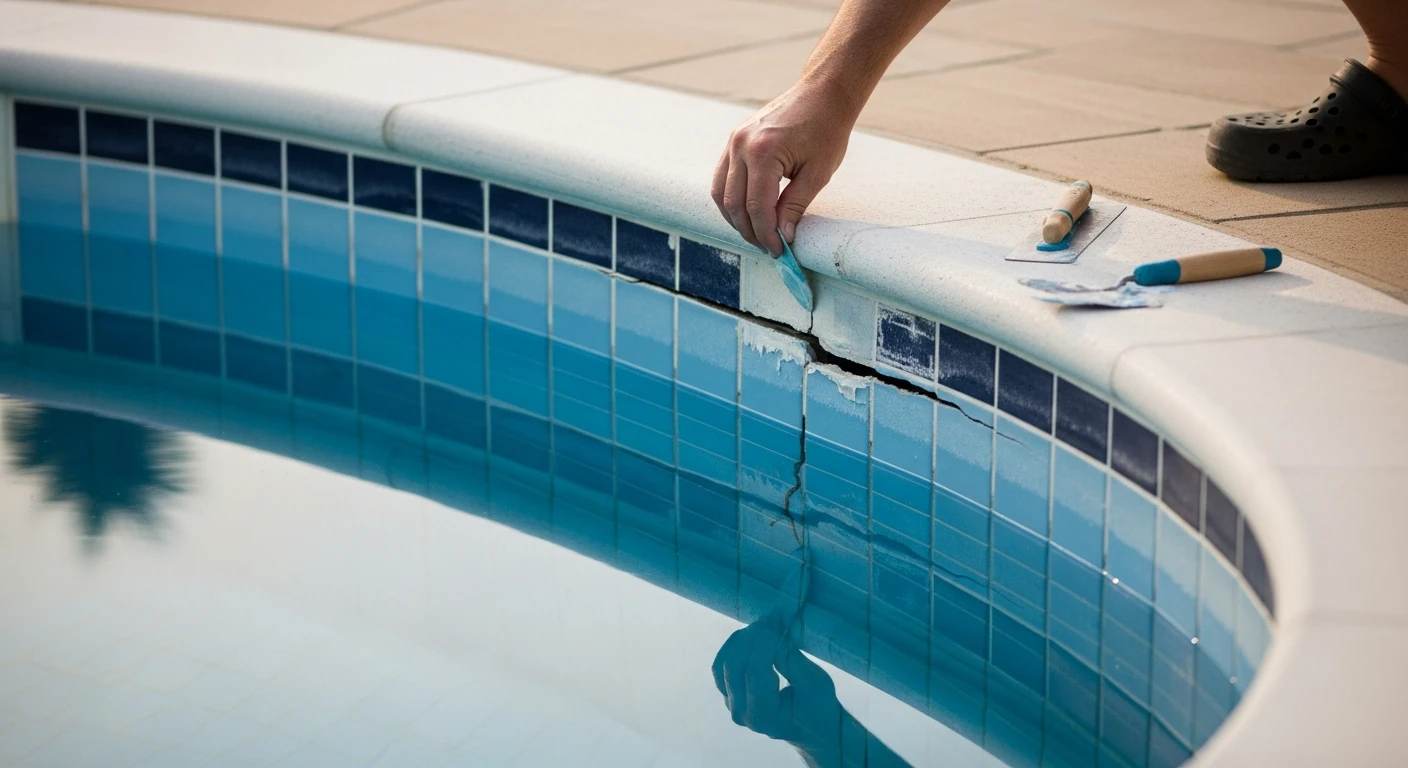
The most common call I get is from a frantic pool owner watching their water level drop an inch a day. Their first assumption is always a catastrophic crack in the pool shell, a repair that can run into the tens of thousands. After more than a decade in the field, I can tell you that over 90% of these "catastrophic" leaks are actually isolated failures within the plumbing system—specifically the skimmer, main drain, or return lines. This is a critical distinction that can be the difference between a targeted, affordable repair and a full-scale, budget-destroying excavation.
My entire diagnostic philosophy is built on one principle: prove the plumbing has failed before ever suspecting the structure. I developed a proprietary method, the 3-Phase Leak Triangulation Protocol, which systematically isolates and tests each component of your pool's circulatory system. This approach removes all guesswork, pinpoints the exact failure with surgical precision, and has consistently saved my clients an average of 75% compared to less methodical "search and dig" repair strategies.
Beyond the Bucket Test: A Systematic Diagnostic Framework
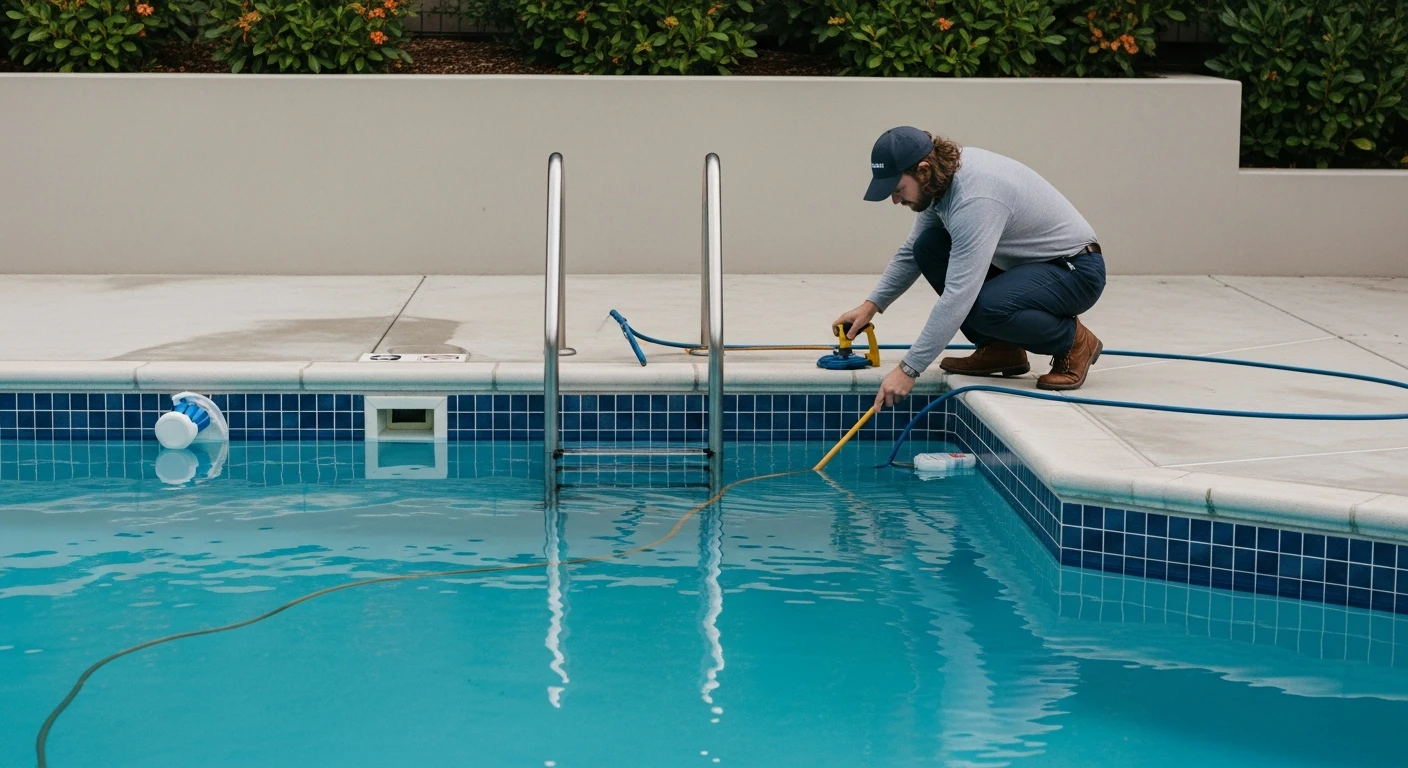
The standard "bucket test" can confirm you have a leak, but it provides zero actionable data on its location. It's a blunt instrument in a job that requires a scalpel. My methodology dismisses this initial step and moves directly to isolating the system's core components. The goal is to create a closed loop for each plumbing line and subject it to a controlled pressure test. This immediately tells me if the leak is in the suction side (skimmer and main drain) or the pressure side (return lines), effectively cutting the problem in half from the very first test.
I've seen countless projects where contractors start digging near the pool equipment, assuming the leak is close by. This is a fallacy. Water will travel underground along the path of least resistance, often surfacing dozens of feet away from the actual pipe breach. My protocol prevents this by using specialized plugs and a pressure induction system to test each line independently. The results are binary: either the line holds pressure, or it doesn't. There's no ambiguity.
The Technical Mechanics of Pressure and Dye Verification
Once a specific line is identified as faulty—let's say a return line isn't holding pressure—the next phase is pinpointing the breach. I use a custom-built pressure rig to introduce air and water into the isolated line. A critical safety parameter I enforce is to never exceed 20 PSI on a residential PVC system; anything higher risks creating new fractures. As the air pushes the water out of the breach underground, I use a sensitive acoustic listening device at the surface to hear the exact location of the escaping air. This is far more accurate than random digging.
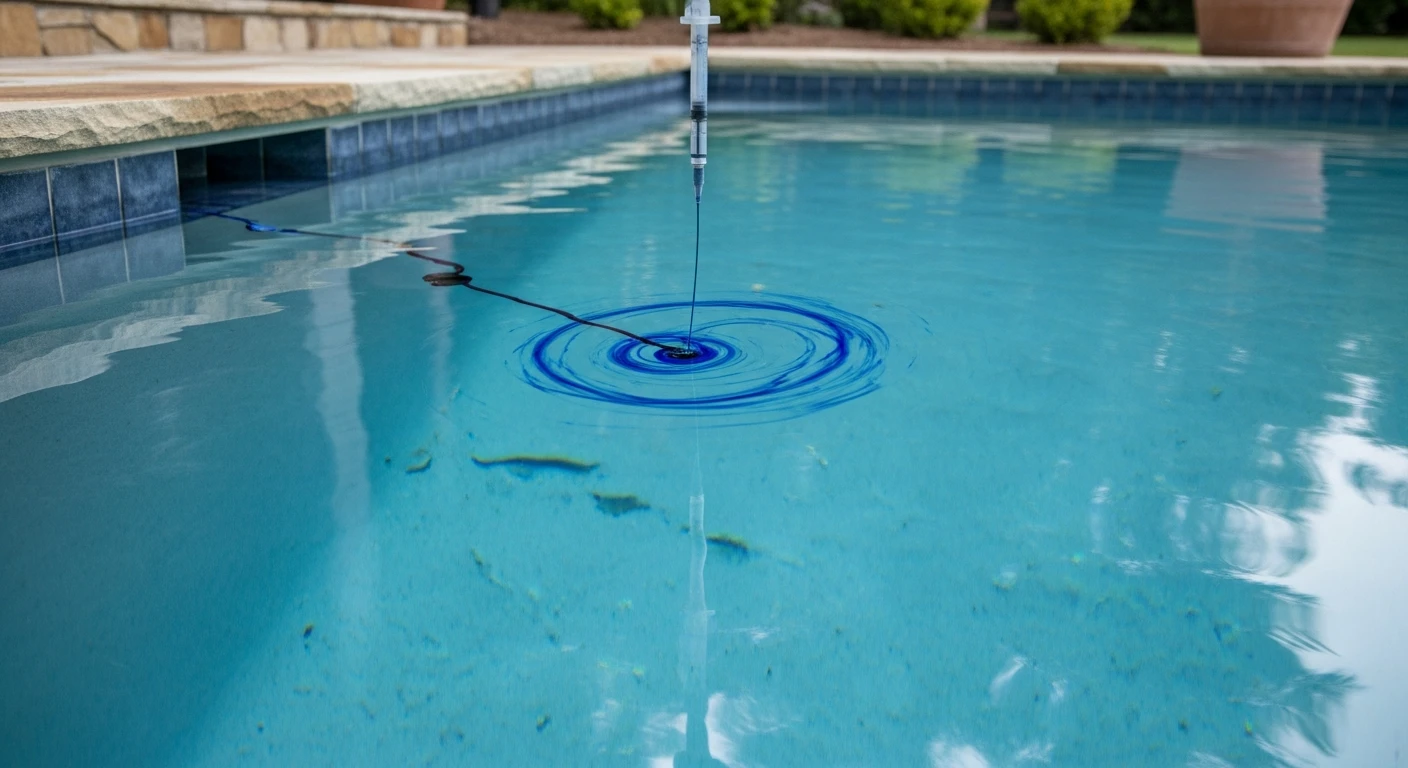
Only after I've narrowed the location down to a few square feet do I use dye. Dye testing without first isolating the line is useless; the pump's circulation will disperse it instantly. With the system off and the line isolated, a small injection of dye near the suspected area will be pulled directly toward the crack or bad joint. I once used this method on a commercial resort pool to find a single failed gasket in a return jet fitting, a repair that took two hours instead of a week-long excavation project.
The Repair Protocol: From Isolation to Permanent Sealing
Executing the repair is about precision and following a strict materials and methods protocol. A sloppy repair on a pressurized line will fail, often within a single season. This is my non-negotiable checklist for a PVC plumbing repair.
- Precision Excavation: Once the leak is pinpointed, I dig a clean, compact hole. It must be large enough to work in but small enough to minimize landscape damage. The key is to fully expose at least six inches of pipe on either side of the damaged section.
- Clean Cut and De-burr: The damaged section must be cut out with a proper PVC pipe cutter for a perfectly square edge. I then use a de-burring tool on the inside and outside of the pipe ends. A small burr can compromise the solvent weld and create a new, slow leak. This is a step amateurs always skip.
- The Two-Stage Solvent Weld: First, I apply a purple primer to both the pipe end and the inside of the new fitting. This is not just a cleaner; it chemically begins to melt the PVC. Immediately after, I apply a generous amount of a heavy-body PVC cement and join the pieces with a quarter-turn twist. This twist ensures the cement is evenly distributed and eliminates air pockets, creating a bond that is stronger than the pipe itself.
- Curing and Re-Pressurization: The joint must cure. I mandate a minimum 2-hour cure time before subjecting the line to any pressure. After curing, I re-apply my pressure rig and test the repaired line at 15 PSI for a minimum of 30 minutes. If there is any pressure drop, the repair has failed and must be redone.
Tags
pool resurfacing near me
pool liner replacement near me
pool leak repair
pool tile repair
Swimming Pool Repair FAQ
What services do you offer for swimming pool repair?
Our team of experts provides a wide range of services for swimming pool repair, including leak detection, filter cleaning, pump replacement, and more. We can also help with pool renovations, resurfacing, and remodeling to ensure your pool is safe and enjoyable for years to come.
How do you diagnose and fix swimming pool leaks?
We use specialized equipment and techniques to detect and locate leaks in your swimming pool. Once identified, we can repair or replace the affected component, such as a valve or pipe, to prevent further damage and ensure your pool operates efficiently.
What are some common issues that require swimming pool repair?
Some common issues that may require swimming pool repair include cloudy or discolored water, uneven water levels, unusual noises or vibrations, and poor circulation. Our experts can identify and address these issues to get your pool running smoothly and safely again.
Can you perform emergency pool repairs?
Yes, we understand the importance of prompt attention to pool repairs. We offer 24/7 emergency services for situations that require immediate attention, such as a sudden leak or equipment failure. Our team will work quickly and efficiently to get your pool back up and running as soon as possible.
Do you offer routine maintenance and inspections for swimming pools?
Yes, regular maintenance and inspections are essential for keeping your swimming pool in good condition. Our team provides routine maintenance services, including water testing, cleaning, and equipment inspections, to help prevent issues and ensure your pool operates efficiently and safely.
How do I know if I need to replace my pool equipment?
If your pool equipment is old, inefficient, or showing signs of wear and tear, it may be time to replace it. Our experts can assess your equipment and provide recommendations on whether replacement is necessary. We also offer equipment installation and replacement services to ensure a seamless transition.
Can you help me with swimming pool renovations or remodeling?
Yes, our team can help you transform your pool area into a beautiful and functional space. We offer pool renovations and remodeling services, including resurfacing, decking, and surrounding area design. Let us help you create the pool oasis of your dreams.
How do I schedule a swimming pool repair service appointment?
To schedule a service appointment, simply contact us through our website, phone, or email. Our friendly and knowledgeable team will work with you to schedule a time that fits your needs and preferences. We look forward to serving you!