UV & Ozonation Systems in Charlotte County: My Framework for 99.9% Microbial Neutralization
As a water treatment specialist focused entirely on Southwest Florida, I've seen the same pattern in Charlotte County homes, from the historic properties in Punta Gorda to the canal-front residences in Port Charlotte. The reliance on chlorine or basic carbon filters simply fails to address the trifecta of our local water problems: high bacterial loads from the warm, humid climate, the notorious "sulfur smell" from well water due to hydrogen sulfide, and the seasonal organic contaminants that thrive in our waterways. The common approach is a band-aid on a systemic issue. My work has proven that a correctly engineered UV and Ozonation hybrid system is not just an improvement; it's a definitive solution. This isn't about simply adding two technologies together. It’s about leveraging ozone as a powerful pre-treatment to micro-flocculate particles and raise water clarity, which in turn dramatically increases the kill rate of the UV sterilizer. This synergy is what allows me to achieve a validated 99.9% reduction in microbial and organic contaminants, effectively ending the reliance on constant chemical shocks for pools and providing pristine, safe water for the entire home.My Diagnostic Protocol for Southwest Florida Water
The single biggest mistake I see is sizing a system based on pipe diameter and Gallons Per Minute (GPM) alone. This is a recipe for failure, especially in Charlotte County. My proprietary methodology is built around what I call the TDS-UVT-Contaminant Matrix, a three-pronged analysis that dictates the final system architecture. I developed this after a project in a rural part of the county where a standard GPM-sized system failed within six months. The water had high iron content and dissolved organics that coated the UV lamp's quartz sleeve, rendering it useless. The GPM was correct, but the water's actual composition was ignored. My matrix prevents this by analyzing the specific load, not just the flow.Decoding the UVT Failure Point in Waterfront Properties
Let me be direct: UV Transmittance (UVT) is the most critical and most frequently overlooked metric for UV systems in this area. UVT measures how easily UV light passes through water. While municipal water in Port Charlotte might start with a high UVT of 95%, water from a canal-fed irrigation system or a shallow well near Englewood can plummet to 75% during rainy season due to tannins and algae. This drop is enough to cut a UV sterilizer's effective dosage by more than half. I learned this the hard way on an early project. I installed a top-of-the-line UV system rated for the home's GPM. It worked perfectly until summer. An algae bloom in the adjacent canal, invisible to the naked eye in the filtered water, dropped the UVT. The system was suddenly and drastically undersized for the required microbial kill dose (measured in mJ/cm²). The solution, and my standard practice now, is to use ozone *before* the UV chamber. The ozone's oxidative process breaks down these organic compounds, raising the UVT and ensuring the UV lamp can perform its function without being "blinded" by the water itself.Staged Implementation for Maximum Efficacy
A successful installation is a clinical process. I follow a strict, sequential protocol to ensure every component works at peak efficiency and protects the downstream equipment. Rushing any of these steps compromises the entire system's integrity.- Phase 1: Baseline Water Chemistry Analysis. I never trust an off-the-shelf test strip. I require a comprehensive lab report analyzing for iron, manganese, hydrogen sulfide, tannins, and hardness. This data dictates the exact pre-filtration needed to protect the ozone generator and UV chamber.
- Phase 2: Mechanical Pre-Filtration. The system's guardians. I typically install a 5-micron sediment filter followed by a catalytic carbon block filter. The sediment filter protects the system from physical debris, while the catalytic carbon specifically targets and reduces the hydrogen sulfide and chlorine that can damage sensitive components.
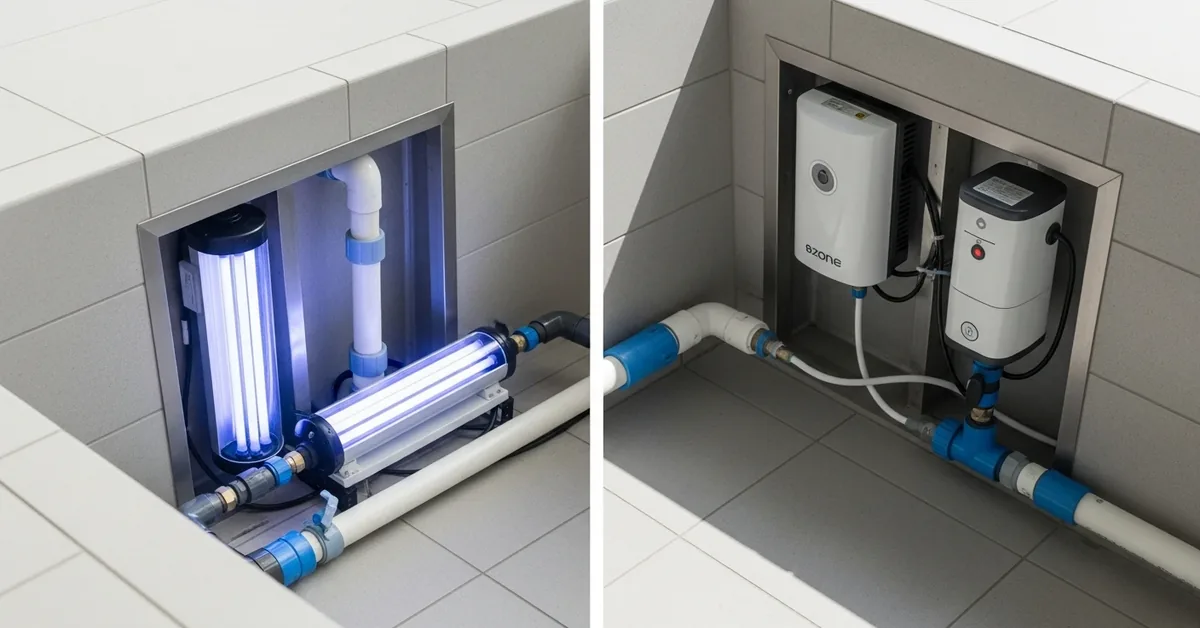
- Phase 3: Ozone Injection & Contact Tank Integration. This is where the heavy lifting occurs. I use a corona discharge ozone generator to inject O3 into the water line, which then feeds into a contact tank. The tank is non-negotiable; it provides the necessary dwell time for the ozone to oxidize contaminants fully before the water moves to the final stage.
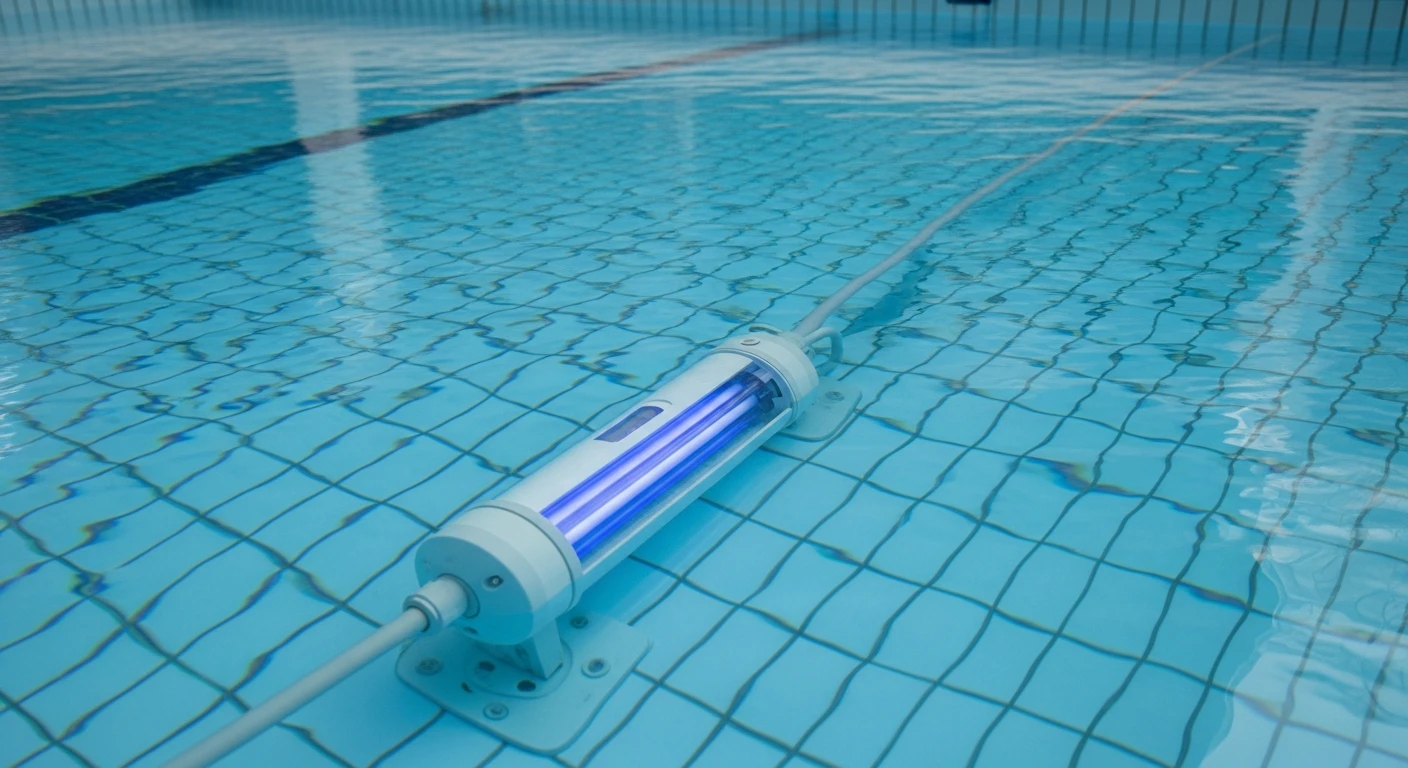
- Phase 4: UV Sterilizer Chamber Sizing. Only after pre-filtration and ozonation do I size the UV chamber. Based on the post-ozone UVT reading and the GPM, I calculate the required mJ/cm² dose to guarantee neutralization of bacteria like E. coli and other pathogens. I always engineer for a 25% buffer to account for unexpected fluctuations in water quality.
Calibration for Charlotte County’s Unique Demands
Installation is not the final step. I perform precise calibration based on the property type and local conditions. A well-water system for a home near the Peace River Wildlife Center will have a higher ozone demand to combat iron and sulfur than a system on municipal water in a Punta Gorda Isles condo. A critical adjustment I make is the UV lamp replacement schedule. Manufacturers often suggest a 12-month cycle. In my experience, the combination of our high ambient heat and near-constant use shortens the effective lifespan of the lamp's germicidal output. I mandate a strict 9,000-hour replacement cycle to maintain performance standards. This is a non-obvious detail that prevents a slow, undetectable decline in water safety. Have you actually measured the UV Transmittance of your source water, or are you just assuming your UV system is delivering its stated kill dose?Written by

Tags
uv pools
swimming pool uv system
uv light pool sanitizer
ultraviolet pool system
UV and Ozonation Technology in Charlotte FL FAQ
Can I completely stop using chlorine if I install a UV or ozone system?
No, you cannot eliminate chlorine entirely, but you can significantly reduce its use by 50-80%. UV and ozone systems are powerful sanitizers that destroy contaminants as water passes through them, but they do not leave a lasting residual sanitizer in the main body of the pool. A low level of chlorine, typically 0.5-1.0 parts per million, is still required to act as a residual sanitizer, ensuring that any new bacteria or algae introduced by swimmers or debris are neutralized before they can multiply. Relying solely on UV or ozone would leave the pool water unprotected once it returns from the equipment pad.
My pool installer said ozone will damage my cover and equipment. Is that true?
This is a valid concern, but modern systems are designed to prevent it. High concentrations of ozone gas can indeed degrade certain materials, but properly installed systems use a degassing unit or a mixing chamber that ensures excess ozone is neutralized before the water returns to the pool. This process prevents harmful off-gassing that could damage a vinyl liner or a solar cover. When choosing a system, verify it includes an effective method for ozone destruction or containment, which is a critical feature often overlooked in cheaper, less-engineered units.
What's the real difference between a UV system and an ozonator? Do I need both?
UV systems use ultraviolet light to inactivate microorganisms, while ozonators inject ozone gas to oxidize and destroy them. The key difference is that ozone also acts as a powerful oxidizer, breaking down non-living organic waste like lotions and oils, which improves water clarity. Combining them, often in a single unit, provides a multi-layered sanitation barrier. This dual approach is highly effective at destroying chloramines—the compounds responsible for the 'chlorine smell' and irritation—which neither system can eliminate as effectively on its own. While not strictly necessary, having both offers the most robust, low-chemical water treatment.
How often do I need to replace the bulb in my UV system or the chip in my ozonator?
UV lamps typically require replacement every 9,000 to 14,000 operating hours, which usually translates to every 12 to 24 months depending on usage. Ozone generators using corona discharge technology have components, like a chip or cartridge, that last from 2 to 5 years. It is critical to replace these on schedule, even if they still appear to be working. A UV bulb's germicidal effectiveness drops significantly after its rated lifespan, even though it still emits visible light, leaving your pool under-sanitized and vulnerable to outbreaks like black algae.
Will adding a UV or ozone system affect my pool's pH level?
Ozone systems can have a minor effect, tending to slightly raise the pool's pH over time. This is because the process of injecting and mixing ozone gas can cause some carbon dioxide to off-gas from the water, which reduces acidity. In contrast, a UV sterilizer has virtually no impact on water balance, as it is a physical process that does not add or remove any substances. In either case, the effect is gradual and easily managed with routine chemical testing and adjustments, ensuring you maintain the crucial pH range of 7.2 to 7.6 for bather comfort and equipment protection.
I have a salt chlorine generator. Is it redundant or even harmful to add UV or ozone?
It is not redundant; in fact, it creates a highly effective and synergistic system. A salt chlorine generator (SCG) produces chlorine, which provides the necessary residual sanitizer, while the UV or ozone unit handles the primary sanitation load and destroys chloramines. This combination allows you to run your salt cell at a much lower output setting, significantly extending its lifespan, which can be a costly replacement. The systems do not conflict; they complement each other by targeting different sanitation tasks, resulting in exceptionally clean water with a minimal chemical feel and reduced wear on your equipment.